
A baby sleepsuit US sleepwear classification brief organises the product information an importer needs to submit for a qualified review. It should connect the proposed garment, intended use, size range, marketing language and available evidence. The brief is an intake document: it does not decide that a product is exempt or certify that the finished sleepsuit complies.
Buyers can use the six checks below to make that intake clearer before development decisions become production assumptions. Identify what is confirmed, what is proposed and what still needs a response. Keep the assessment tied to the actual version being developed rather than relying on a product name or a label selected at the beginning of the project.
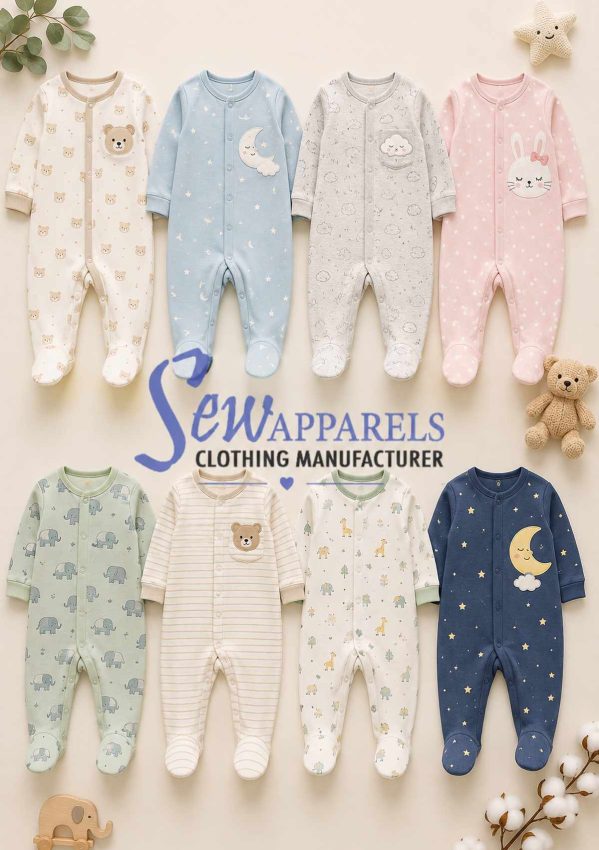
1. Define the baby sleepsuit US sleepwear classification brief
Begin the baby sleepsuit US sleepwear classification brief with a plain description of the proposed use and destination. Collect the intended product title, packaging description, sales copy and relevant merchandising context. Give the reviewer the wording the buyer expects to use, including draft claims that have not yet been approved. A shortened technical description may leave out information important to the review.
For baby sleepsuits US intended use documentation, retain a dated version of each proposed presentation. Show which text belongs to the retail product, which belongs to a wholesale brief and which is an internal working description. If the same garment will be presented differently in separate channels, flag that difference for review rather than assuming one conclusion covers every presentation.
The CPSC’s children’s sleepwear guidance explains that classification considers multiple factors, including construction, intended use and marketing. It also distinguishes qualifying infant and tight-fitting garments from other sleepwear, with different flammability requirements. A baby product name or age label alone does not establish the applicable route. Refer the actual facts and current requirements to a qualified reviewer.
A baby sleepsuits sleepwear marketing language review should therefore compare the commercial wording with the design brief. Record where the two descriptions differ. Do not resolve the difference by casually deleting a phrase while leaving the intended use unchanged. Ask the responsible team to clarify the actual proposition and submit a consistent, accurate description for the review.
Keep evidence versions visible
Each item can have a reference, date and owner. This lets the reviewer identify the exact copy assessed and helps the buyer recognise later changes. A classification note attached to an old product description is weak evidence for a newly presented version, even when the garment has retained the same internal style number.
2. Record the Actual Size and Age Claims
The baby sleepsuit US sleepwear classification brief needs the proposed size range and the evidence behind any age description. Keep the buyer’s commercial size names separate from the measurements recorded on samples. If a range is still provisional, identify it as provisional. Avoid treating an early catalogue label as a substitute for a reviewed product specification.
A baby sleepsuit age size documentation sheet can connect each intended size to its sample reference, measurement record and draft label. State whether the sample represents the current design or an earlier version. When samples are unavailable for part of the range, show that gap clearly and ask the reviewer what information is required to continue.
For baby sleepsuits infant age claim evidence, gather the actual proposed wording and the records used to support it. Identify who selected the claim and whether it has been reviewed. The purpose is to expose the assumption, not to invent an age-to-size conversion. Do not assume that a familiar retail size name has the same meaning in every product program.
Baby sleepsuits age label exemption assumptions should appear as questions in the intake file when they have not been established. For example, the buyer may believe that a proposed age label determines the regulatory route. Record that belief as an unresolved question and ask for a documented response; do not carry it forward as an approved exemption.
Check that the range matches the supplied evidence
If the commercial brief covers several sizes but the measurement sheet shows only one, make that mismatch visible. Explain what has been supplied and what has not. The qualified reviewer can then identify the additional information needed. A tidy spreadsheet should not make an incomplete range look fully assessed.
3. Identify the Product Category Questions
Use the baby sleepsuit US sleepwear classification brief to collect questions about the actual product instead of preselecting the desired answer. Describe the garment configuration, closure arrangement and proposed presentation accurately. Ask the reviewer which classification questions apply and what evidence is needed to resolve them. Keep the response connected to the supplied facts.
An infant sleepsuit sleepwear scope review can distinguish confirmed information from assumptions requiring clarification. The working file might show a footed one-piece design, a proposed age description and draft sleep-related copy. It should not state that those items alone settle the outcome. Provide the full intake and retain the reviewer’s explanation of the relevant route.
Baby sleepsuits sleepwear size scope questions should name the unresolved issue and the evidence reference. Avoid a general request such as please check compliance with no product context. A useful question identifies which size range, proposed claim or configuration requires clarification. That makes the technical response easier to connect to a later development decision.
The baby sleepsuits classification material dossier should identify the current material and component specification, with version references for the fabric, trims and labels. Record substitutions as changes, not as interchangeable background information. The reviewer should be able to see whether the material described in the intake matches the sample and supporting documents.
Separate classification from release
An infant sleepsuit compliance decision brief should distinguish the classification conclusion from the remaining evidence needed for the product. A recorded route does not make the garment ready for sale by itself. Use separate entries for the review outcome, further evidence requested and the person responsible for confirming the release requirements.
4. Prepare Measurements for Qualified Review
A baby sleepsuit US sleepwear classification brief should include the measurement information the reviewer requests for the actual garment. Use named points of measure and a clear sample identity. Record the state in which measurements were taken and the method agreed for the review. This article does not supply legal measurement limits or an alternative to the applicable requirements.
For baby sleepsuits infant garment measurement review, connect the measurement sheet with the relevant size and sample revision. Include the supporting diagram or internal reference used by the team. If a point of measure is ambiguous, resolve it with the responsible reviewer rather than allowing different operators to submit incompatible records under the same heading.
The baby sleepsuits footed fit development measurements have a different purpose from classification intake. Existing development observations can be useful context, but identify why each record was made and whether it answers the current question. Do not present a successful fit review as proof of a regulatory conclusion. Request the evidence needed for the stated review.
Baby sleepsuits sleepwear qualified lab questions should specify the product and issue to be assessed. Ask what sample information, documents and technical references are required for that work. Keep the response in the intake file, including any limits on the scope of the assessment. A laboratory report should be read against its actual sample and scope rather than its title alone.
5. List Label and Evidence Gaps
The baby sleepsuit US sleepwear classification brief should show missing information before the team treats a decision as final. Record the proposed labels, supporting evidence available and unresolved requests. Keep a distinction between a draft artwork file, a reviewed label and a label applied to the actual garment. These are different states in the development record.
For baby sleepsuits sleepwear label evidence gaps, list the specific item, current version and person responsible for the response. If the reviewer requires information that has not been supplied, give it its own entry. Avoid replacing an open item with a broad statement such as labels will be correct, which does not identify the work or evidence still needed.
The CPSC’s tracking-label guidance describes permanent distinguishing information on children’s products and packaging, to the extent practicable. It addresses identification of the responsible business, production date and location, and source or batch information. The guidance is relevant to the product documentation discussion; it does not resolve sleepwear classification on its own.
For baby sleepsuits importer review responsibilities, assign an owner to the request, response and release check. Record who will confirm that the reviewed product matches the proposed shipment version. The file can support coordination without assuming that every participant has the same regulatory role. The responsible parties should confirm their actual obligations for the program.
Baby Sleepsuit US Sleepwear Classification Brief Checklist
On small screens, each intake item appears as a labelled record.
| Intake item | Record to submit | Question to resolve |
|---|---|---|
| Use and presentation | Current product copy and intended destination | Does the description match the proposed product? |
| Size and age claims | Range, draft labels and supporting records | Which claims still need evidence? |
| Garment configuration | Current sample and specification references | Which classification questions apply? |
| Measurements | Requested points, method and sample identity | Is the required range covered? |
| Labels and documents | Reviewed versions and open-item list | What remains before release review? |
| Decision ownership | Qualified response, date and scope | Who confirms the current version? |
6. Freeze the Reviewed Reference Before Production
Complete the baby sleepsuit US sleepwear classification brief by connecting the response to the exact product version. A baby sleepsuits classification approval record should identify the supplied facts, qualified reviewer, dated conclusion and remaining conditions. Keep proposed changes separate from the approved reference until their effect has been considered.
Baby sleepwear intended use evidence can change when a buyer revises packaging or retail copy. Include that kind of change in the review log alongside material, size or garment revisions. Ask the responsible reviewer whether an updated assessment is needed. Do not assume that retaining the same product name means every previous conclusion remains applicable.
For custom baby sleepsuit manufacturing, share the destination, proposed size range and current intake through Sew Apparels’ baby sleepsuit manufacturing page. Confirm the actual development scope and review plan. This article does not claim a particular product is certified or that an unreviewed configuration is currently offered.
For private label baby sleepsuit production, use the baby sleepsuit buying guides to connect the intake with the wider product brief. The baby sleepsuit US sleepwear classification brief is useful when the evidence, open questions and review ownership are clear enough to support a documented product-specific decision.