
baseball cap custom eyelet tooling costs should be evaluated as a complete component commitment, not a single surcharge. A buyer may pay for a new shape, logo, die, plating trial, sample run, minimum hardware purchase and unused stock even when the cap order itself is relatively small.
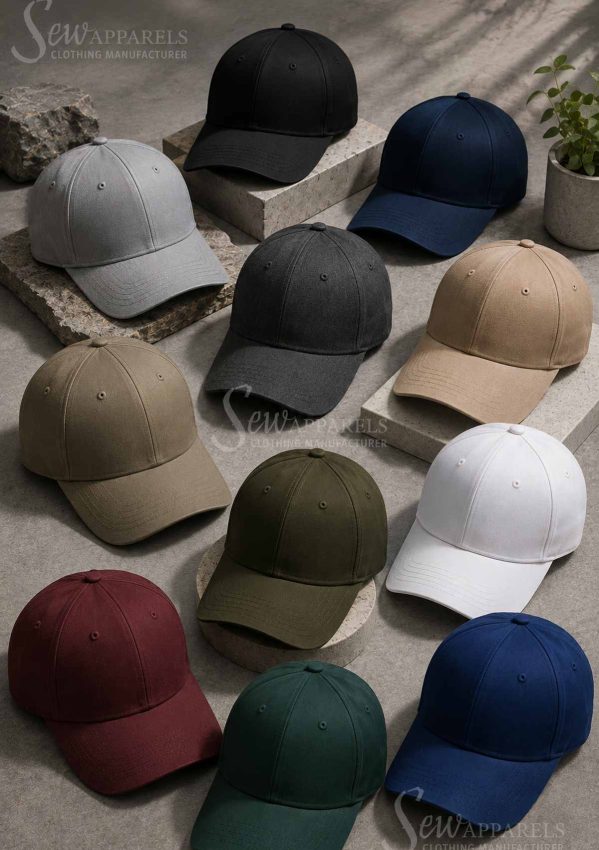
This guide gives sourcing, product and finance teams six decisions for comparing a stock eyelet with a custom option. It separates visible design value from tooling, sampling, per-piece and inventory exposure. Every price, minimum, ownership term and technical constraint must come from written supplier evidence for the actual component.
1. Define the Visible Difference the Eyelet Must Deliver
Start the baseball cap custom eyelet tooling costs review with the design reason. Record whether the buyer needs a logo, unique shape, larger opening, branded rim, special surface, exact colour or another identifiable feature. If the difference cannot be seen or measured on the finished cap, reconsider the custom route.
Compare baseball hat standard versus custom eyelet options on the same cap sample. Photograph front, side and inside views, then note diameter, profile, flange, finish, colour, logo clarity and interaction with the shell fabric. A stock component may meet the visual objective without new tooling.
Write the approved visual and functional requirement before asking for prices. Include intended fabric, layer thickness, hole preparation, washer or backing, wearer contact and target market. The eyelet decision should not be separated from installation and finished-product review.
Keep customisation proportionate to the collection. A logo eyelet may add value to a premium repeat programme, while a colour-matched stock eyelet may be more practical for a short seasonal style. The cost comparison should show that trade-off rather than assuming custom hardware is automatically better.
2. Separate Standard Plating from a New Tool Requirement
Ask the supplier to identify whether the requested result uses an existing eyelet body with a standard or special finish, an existing tool with a new engraved insert, or a fully new component tool. Baseball cap eyelet new tooling versus stock part must be explicit because each route creates different cost, timing and ownership questions.
A baseball cap custom hardware setup charge may cover artwork conversion, tool preparation, machine setup or a sample batch. Request an itemised description and state whether it is paid once, per colour, per size, per supplier or per order.
For baseball cap eyelet custom plating quote scope, identify base metal, finish system, colour reference, gloss, protective coating, minimum batch, sample approval and compliance documentation. A finish change may use stock geometry but still create a commercial minimum and lead-time commitment.
Baseball cap eyelet colour minimum should distinguish the plating or coating batch minimum from the minimum number of completed caps. Ask whether unused components must be purchased, stored or scrapped. Do not convert the hardware minimum into an assumed cap MOQ without written supplier confirmation.
Where metal composition or surface treatment matters for the destination market, consult the responsible compliance adviser. The European Commission explains the REACH framework; its information supports the compliance discussion but does not establish that a proposed eyelet or finish has passed.
3. Request Tooling, Sample and Per-Piece Costs Separately
Create a written quotation table with tooling, artwork, development, plating trial, sample quantity, freight, testing, per-piece hardware and installation shown separately. Baseball cap eyelet per piece hardware quote should state currency, quantity tier, finish, packaging and validity.
Baseball cap eyelet hardware sample approval cost may include prototype parts, low-volume plating, courier charges and a cap sample. Record which items are refundable or credited after bulk booking. Do not assume a sample fee includes production tooling ownership.
Use a baseball cap eyelet tool amortisation scenario to spread only the costs that the buyer decides to evaluate across forecast component quantities. Show the calculation at several realistic order volumes. An amortised figure is an internal comparison, not a promise that the supplier will waive or finance the tooling charge.
Illustration only, not a supplier quote: assume a USD 300 tool and 1,000 caps using six eyelets each. Tool cost allocated over that confirmed order is USD 0.30 per cap, or USD 0.05 per required eyelet. A 10,000-eyelet purchase minimum would leave 4,000 beyond the 6,000 required, before any approved spare or reject allowance. Value that balance using the quoted component price. Future repeats are a separate forecast; they do not reduce today’s cash commitment.
The baseball cap custom eyelet tooling costs worksheet should also show installation cost if the custom geometry requires different equipment, dies or inspection. A low component price can be misleading when assembly setup or reject risk is excluded.
4. Compare Component Purchases with Cap Quantities
Baseball cap eyelet component minimum order exposure equals the committed hardware quantity beyond the eyelets required for the confirmed cap order, adjusted for approved spare or reject allowances. Calculate it by colour and component version rather than combining incompatible stock.
Record baseball cap eyelet unused hardware inventory with owner, storage location, quantity, value, finish, ageing limits and compatible styles. Ask who bears loss if the cap programme is cancelled, artwork changes or the finish becomes unusable.
The baseball cap eyelet eyelet colour customisation cost comparison should include the number of colour batches. A collection with three cap colours may not need three eyelet finishes if one approved neutral finish supports the intended design.
Model confirmed order, likely repeat order and conservative no-repeat cases. Include the custom component purchase, cap quantity, expected consumption, approved spares and remaining stock. Do not use an optimistic sales forecast to hide a large immediate hardware commitment.
Require baseball cap eyelet component purchase authorisation before the supplier books tooling or minimum hardware. The authorisation should name the quote, artwork, component specification, quantity, value, payer, ownership and treatment of unused stock.
5. Agree Tool Ownership and Repeat-Order Assumptions
Prepare baseball cap tooling ownership questions before payment. Ask who legally owns the tool, where it is stored, whether it can be transferred, which supplier may use it, how long it will be retained and what happens after inactivity or damage.
Baseball cap eyelet tool ownership contract questions should also cover maintenance, replacement, confidentiality, use for other customers, access to drawings and the process for approving tool changes. “Buyer paid” does not by itself prove unrestricted ownership or transfer rights.
Confirm baseball cap eyelet repeat order setup charges in writing. Ask whether future orders incur machine setup, minimum plating, artwork, sampling or handling charges even when the original component tool remains available.
Keep a tool identity record with supplier, location, tool number, drawing or artwork version, creation date, approved sample and maintenance status. If the supplier changes, a physical tool may not transfer cleanly to different equipment. Record that limitation before relying on a repeat-order saving.
Review product-identification consequences separately from the component cost. The GS1 GTIN Management Standard helps brands decide when product changes require a new trade item identifier. A custom eyelet does not automatically determine that outcome; the brand should apply the current rules to its complete product and market presentation.
6. Approve the Cost Scenario Before Booking
Summarise baseball cap custom eyelet tooling costs in a decision sheet with stock and custom options side by side. Include visible benefit, component route, tooling, samples, per-piece price, minimum purchase, unused stock, ownership, repeat charges, timing and open compliance evidence.
Give each quotation a version and expiry. If artwork, eyelet size, finish, colour, supplier or cap quantity changes, refresh the affected commercial assumptions. Do not approve from screenshots or chat fragments when the supplier’s formal quote contains different terms.
Approval should state the selected option, maximum authorised commitment and evidence still required before bulk installation. Purchasing should not book the tool or component minimum until the sample route and ownership terms are accepted.
If the custom route is rejected, retain the comparison. It documents why a stock part was selected and prevents the same unresolved tooling proposal from returning during bulk production.
Baseball Cap Custom Eyelet Tooling Costs Worksheet
Use one controlled worksheet for every baseball cap custom eyelet tooling costs decision.
- Design objective: visible difference, artwork, shape, finish and approval reference.
- Component route: stock body, custom finish, engraved insert or new tool.
- Development: artwork, tooling, sample, plating trial, freight and testing costs.
- Bulk cost: unit price, installation, quantity tiers and validity.
- Exposure: hardware minimum, cap demand, spares, unused stock and cancellation risk.
- Ownership: tool holder, retention, maintenance, transfer and repeat-order charges.
- Decision: selected route, authorised value, approvers and reopening triggers.
Assign one owner to reconcile the supplier quotation, cap order and component purchase. The owner should confirm that finance, design, merchandising and production are reviewing the same component version.
Record assumptions and negative outcomes. A rejected custom tool can still clarify which stock feature, finish or quantity makes the programme commercially workable.
Review the baseball cap custom eyelet tooling costs worksheet at every commercial milestone so estimates are replaced by the latest written supplier evidence.
The final baseball cap custom eyelet tooling costs record should identify commitments rather than claim a universal price or minimum. Supplier capacity, tooling methods and commercial terms vary and must be confirmed for the actual order.
Low MOQ Baseball Cap Development
For low-MOQ orders, compare an approved stock eyelet first and show the full custom component exposure separately. Focused custom baseball cap manufacturing keeps the buyer’s design goal visible without hiding hardware minimums inside the cap price. Confirm material availability, cap-order minimums and any sample or development charges in the written proposal; component and finished-cap minimums can differ.
Startup Brand Tooling Approval Brief
Startup brands can share artwork, launch quantity, repeat-order outlook and budget before requesting custom hardware. In private label baseball cap production, a staged stock-versus-custom comparison helps protect cash while preserving a future branding option.
Review the structured crown materials before approving the hardware route. The eyelet must be assessed with the intended fabric and reinforcement thickness; a visually acceptable loose component does not establish an acceptable installed cap assembly.
Connect the Cost Decision with the Product Brief
Use the related Baseball Cap Buying Guides to connect the eyelet with crown material, decoration and sample approval. When the cost comparison is complete, review the custom baseball cap manufacturing service and request a quote with your eyelet tooling brief to discuss feasibility.
Before booking, confirm that the baseball cap custom eyelet tooling costs file matches the current artwork, finish, quantity, supplier and ownership terms. Reopen it after any relevant change.