
Sports leggings colour transfer to equipment can become a buyer concern when a dark garment touches a pale gym bench, mat or upholstered seat. Dark leggings staining gym benches may involve the dyed fabric, printed decoration, surface residue or the equipment itself. Approval needs evidence that identifies the source and the conditions, rather than a general statement that the leggings are colourfast.
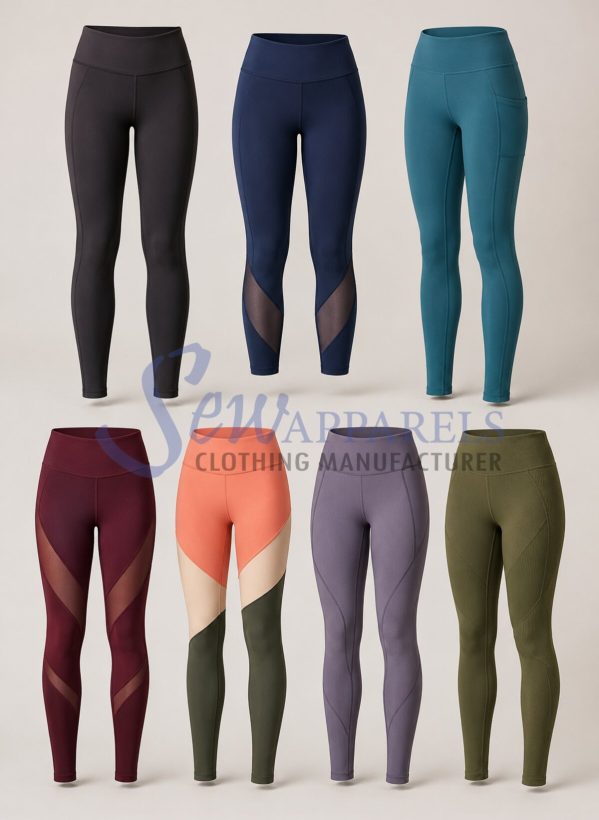
This guide helps brands prepare a staining review for production-intent leggings. It connects dry and wet rubbing evidence, perspiration-related questions, actual shade identity and controlled contact observations. It does not provide a laboratory procedure or guarantee compatibility with every equipment coating. Standard testing and a separately documented surface comparison answer different questions and should remain distinguishable.
Why sports leggings colour transfer to equipment needs a contact brief
Define pale bench contact risk and the likely contact area before requesting a test. A seated thigh panel, knee, waistband or printed calf detail can meet different surfaces and experience different moisture or movement. Record the equipment material where known, its colour, surface finish and cleaning condition. A pale vinyl seat and a rubber mat are not interchangeable receiving surfaces.
Also record whether the concern involves a new garment, a washed garment or one used during exercise. Keep the activity and care assumptions realistic. Do not deliberately rub a garment on customer equipment to create a stain. Use an approved, replaceable receiving specimen or another controlled arrangement agreed with the owner and testing party.
1. Identify the production shade and decoration
Begin sports leggings colour transfer to equipment review with the actual colour and material references. Record the body fabric composition, fabric construction, dye or finishing reference where supplied, shade name and production lot. A report for a development swatch does not automatically identify the final bulk fabric. Compare the report specimen description with the purchase order and retained sample.
Review print versus fabric dye transfer: printed logos and decorative panels need separate attention. If contact occurs over a print, do not assume that a body-fabric result covers the decoration. Ask whether the tested sample included the actual print, application process and curing or finishing state. Photograph the relevant area and identify whether any transferred mark resembles the body shade, print colour or another residue.
Keep unprinted and decorated controls where feasible. These help frame the investigation without claiming to prove the chemistry of the mark. A laboratory or material specialist may need to examine it further. Do not label every visible trace as dye transfer before checking alternative sources such as dirt, a deteriorating equipment finish or cleaning residue.
2. Choose dry and wet rubbing evidence
ISO 105-X12:2016 addresses textile colour resistance to rubbing off and staining other materials. Its public scope includes dyed and printed textiles and distinguishes dry and wet rubbing cloth tests. Ask a qualified laboratory to confirm wet rubbing test choice, method version and specimen selection for your leggings.
For sports leggings colour transfer to equipment, review sports leggings wet rub colourfastness separately from dry results. A dry result cannot stand in for the wet result, and a generic colourfastness statement does not tell you which condition was assessed. Obtain the result for each relevant colour, print or contact area, with the laboratory’s interpretation and any departure from the specified method disclosed.
The standard rubbing cloth is part of the controlled method. It is not a gym bench coating. Therefore, a report can inform the colour-transfer assessment but cannot alone establish that every pale seat or mat will remain unmarked. Treat the equipment-contact question as an additional application-specific review when the intended use makes it relevant.
3. Separate perspiration from water-wet contact
ISO 105-E04:2013 covers textile colour resistance to human perspiration. Its public scope concerns perspiration rather than the same rubbing action as the rubbing standard. Confirm the required evidence with the laboratory and buyer specification instead of treating these methods as substitutes.
For concerns about leggings sweat transfer to pale surfaces, a sports leggings colour transfer to equipment brief should distinguish perspiration staining evidence from a wet rubbing result. Ask what the report actually measured, which receiving materials were used and which ratings or observations apply. Do not describe a water-wet contact observation as a standardized perspiration test.
A wearer may also use lotions, cleaning products or other substances that are outside a particular test. List relevant intended-use concerns for the testing party, but do not invent a mixture or reproduce a standard from memory. If combined exposure is important, agree a separate assessment and report its limitations. Avoid claiming that one result covers all sweat conditions and equipment cleaners.
4. Compare receiving surfaces under controlled conditions
For an active leggings equipment staining test, identify the receiving specimen and obtain permission for any potentially staining trial. Prefer a replaceable coupon or spare material that represents the intended equipment finish. Record its supplier or source, colour, coating condition and cleaning history. Keep an unused comparison piece so existing marks are not attributed to the leggings.
Sports leggings colour transfer to equipment observations should state the contact location, garment condition and agreed exposure. A specialist should define suitable contact conditions if the result will support a formal buying decision. Keep photographs under consistent lighting and record whether the observation is immediately visible or appears after the surface dries.
Do not improvise harsh abrasion, high loads or prolonged exposure and then present the result as normal wear. Similarly, a very gentle contact with no visible mark does not prove resistance during every exercise session. Record the purpose and limits of the contact surface comparison. Document the exact surface tested rather than writing an unrestricted equipment-safe claim.
Account for coating limitations
An old, damaged or chemically affected coating may behave differently from a new replacement coupon. Ask the equipment owner or material supplier about the finish and permitted cleaning method. If the receiving surface changes, its result may no longer represent the intended application. Keep equipment coating limitations separate from the textile laboratory report.
5. Review new and washed specimens separately
Sports leggings colour transfer to equipment may need to be reviewed in more than one garment condition. Define new versus washed fastness: whether approval concerns the product as supplied, after specified care or both. Record the care sequence, drying condition and specimen identity for any comparison. Do not simply state that washing improves the result; inspect the evidence.
Use representative specimens from the same identified material or production submission when comparing conditions. A different shade lot or changed print process can undermine the comparison. If a washed sample is acceptable but the new sample raises a concern, the buyer still needs to decide whether the product can be sold with that limitation.
Care wording evidence must match the actual observations and intended market requirements. A wash-before-wear instruction should not become an unsupported excuse for staining customer equipment. Discuss any proposed instruction with the responsible product team and confirm that it is compatible with the fabric, decoration and approved care label. Avoid prescribing repeated washing or a special household treatment as a guaranteed solution.
6. Agree buyer tolerance and report identity
Close sports leggings colour transfer to equipment review by agreeing the acceptance criteria before final approval. Document staining buyer tolerance separately from laboratory result requirements and any surface-contact observation. Ask the buyer and laboratory to define suitable ratings or other evidence for the relevant test; there is no single bench-staining tolerance that this article can establish for every brand and application.
A useful approval record links the garment to the report, photographs and receiving specimen. Include the production shade submission, lab report lot identity, print or finishing revision, report number and date. Where multiple colours are offered, state which were evaluated and which still require assessment. A passing reference colour should not silently approve an untested dark colour.
- Garment identity: style, size, colour, fabric and decoration references.
- Production connection: sample stage, lot identity and any changes after testing.
- Laboratory scope: method version, condition, receiving material, results and limitations.
- Surface comparison: coupon identity, condition, agreed contact and photographs.
- Care comparison: new or washed specimen, documented care sequence and drying state.
- Buyer decision: acceptance criteria, unresolved questions and approval owner.
If results conflict, investigate the cause before accepting the claim. Check that the sample, shade, method and condition match; then discuss additional testing where appropriate. Do not choose only the most favourable photograph or report. Retain the less favourable evidence so the final decision explains how the identified concern was resolved.
Build the assessment into the manufacturing brief
For custom sports leggings manufacturing, include the intended activity, dark shades, equipment-contact areas and required testing evidence in your brief. Private label sports leggings production should connect those requirements with the proposed fabric and decoration, subject to factory confirmation of available materials and testing arrangements.
Use the existing Sports Leggings Buying Guides to coordinate the material decision with waistband, seam and quotation approvals. Keep each record tied to the same approved style revision and the quotation’s material specification. This makes a change in fabric or finish visible before it reaches the final order.
A practical sports leggings colour transfer to equipment decision defines what was checked, what the results support and which surfaces remain outside the claim. The objective is a traceable approval, not an absolute promise that a garment can never leave a mark in any environment.
Questions buyers should resolve before release
Does good wet rubbing evidence cover all gym surfaces?
No. It provides evidence under the specified textile test conditions. A bench or mat may have a different material, coating and condition from the standard receiving material. Use a separate, clearly limited surface review where the application requires it.
Can a fabric report cover a printed panel?
Only rely on the scope actually described. Check whether the tested specimen included the production print and process. If it did not, request suitable evidence for the decorated contact area rather than extending the body-fabric conclusion.
What changes should trigger another review?
A new shade lot, fabric source, dye or finish change, altered print process or different receiving coating can change the evidence basis. Revisit sports leggings colour transfer to equipment approval when those changes affect the original scope. Keep the revised decision alongside the new sample and supporting report.