
SKI PANTS · PRIVATE-LABEL WOVEN OUTERWEAR
Custom Ski Pants Manufacturer in Bangladesh
Sew Apparels reviews custom ski pants programmes for outdoor brands and private labels in Bangladesh. Specify a woven shell, lining or insulation plan, waist and knee fit, boot opening, pockets, zips, artwork and export packing through an approved sample. Water resistance, waterproof construction, seam sealing and cold-weather performance are different specifications; each claim requires the actual materials, process and test evidence to be agreed for the order.
MOQ
500 pieces per design and colour
Sampling Lead Time
Usually 10–15 days after complete specifications and available materials are confirmed
Production Lead Time
Usually 15–30 days after PP approval and material readiness; technical operations may need more time

ABOUT OUR SKI PANTS DEVELOPMENT
Ski Pants Built Around Movement and Layering
Sew Apparels develops ski pants from the buyer’s movement, layering and footwear brief. We review woven shell, lining, optional insulation, waist, rise, knee shape, boot opening, pockets and branding on physical samples. Approved materials, graded measurements and any required testing establish the production specification before bulk commitment.
Buyer-Defined Pant Specification
Layering and Knee-Movement Fit
Woven Shell, Lining and Trim Plan
Sample, Artwork and Packing Approval

Our Impact
2018
Established
850+
Skilled Workers
40,000+
sq.ft Factory Area
40+
Export Countries
Ski Pant Fabric and Insulation Options
Ski pant materials are selected for shell structure, layering comfort, movement and the intended finish. Polyester or nylon woven shells can be reviewed with lining fabrics, specified insulation and reinforcement panels. Approve the complete material stack and care requirements on a finished sample, with performance claims supported by agreed evidence.
Polyester Woven Outer Shell
Review polyester shell weight, weave, shade, handle and finish against intended use.
Nylon Woven Outer Shell
Assess nylon drape, finish and sewing behaviour on physical samples.
Compatible Lining Fabrics
Select compatible linings for base-layer movement; approve shade, attachment and care on samples.
Specified Coated or Laminated Shell
Coated or laminated shell options require sourcing and construction review, with any weather rating supported by the agreed test evidence.
Optional Insulation Materials
Specified insulation is reviewed for content, bulk, distribution and care, allowing its effect on fit, seams and packed volume.
Reinforcement Panel Fabrics
Requested knee or inner-leg reinforcement fabrics need colour, attachment and care approval alongside the shell, with movement checked during fitting.
Private Labels and Ski Pant Finishing
Ski pant branding is coordinated around pockets, seams and reinforcement panels. Rights-cleared graphics, labels and trim colours are reviewed on the selected shell, confirming decoration compatibility, care wording and export packing with the approved sample.

▦
Rights-Cleared Brand Marks
▣
Shell-Compatible Decoration
♜
Approved Placement Artwork
✓
Zip and Pocket Clearance
◈
Waist and Hem Options
▤
Buyer-Specified Trim Colours
⌂
Private Size and Care Labels
⤢
Export Carton Instructions
SKI PANTS PRODUCTION CAPACITY
Up to 80K monthly woven pieces is factory-wide capacity. Ski pant allocation depends on approved materials, insulation, technical operations and the confirmed production schedule.
UP TO 80K
factory-wide woven-apparel pieces monthly
Flexible
order-specific woven line allocation
Skilled
outerwear trouser construction review team
Worldwide
export packing and shipping coordination
Our Ski Pants Development and Production Process
Sew Apparels reviews shell, lining, insulation, waist, pockets, lower-leg construction, size chart, artwork and labels before sampling. After movement-fit and material approval, production follows fabric inspection, pattern control, cutting, component preparation, sewing, decoration, measurement checks, buyer-agreed inspection, packing and shipment coordination. Waterproof or seam-treated specifications require a separately confirmed process and testing route before bulk release.
Quality Control for Ski Pants
Approved Shell, Lining and Material Match
Waist, Rise, Seat, Knee and Inseam Check
Zip, Pocket, Gaiter and Hem Operation
Seams, Reinforcement and Specified Fill Review
Artwork, Care Labels, Trims and Test Records
Buyer-Agreed AQL, Quantities and Packing
WHY BUYERS CHOOSE SEW APPARELS FOR SKI PANTS
We combine woven trouser development, movement-fit review, component planning and private-label presentation in one approved brief. Buyers can inspect a real sample and confirm any specialist performance evidence before bulk production is scheduled.
💰
Movement-Oriented Fit
Waist, rise, seat ease and knee movement are reviewed over intended layers, keeping finished measurements aligned with practical use.
⏱
Material Stack Review
Shell, lining, optional insulation and reinforcement are assessed together, establishing the approved material combination and care route before bulk.
🛡
Functional Detail Planning
Pockets, closures, hems and specified gaiters are checked on samples, with placement, operation and footwear clearance recorded before approval.
♻
Range-Specific Grading
Men’s, women’s and youth blocks are reviewed where required, preserving waist adjustment, knee position and boot openings across sizes.
⚙
Private Label Coordination
Rights-cleared artwork, labels and hangtags are coordinated with the selected shell, approved decoration method and buyer-defined export packing instructions.
☑
Evidence-Led Quality Release
Material standards, sample tolerances and inspection records guide release, with any technical claim supported by separately agreed testing and evidence.
SKI PANT PROGRAMMES
Outdoor Retail Collections
Private-label pants developed to the retailer’s fit, fabric and care brief.
Ski Club Outer Layers
Coordinated colours and rights-cleared club graphics with controlled size assortments.
Mountain Travel Ranges
Shell or insulated concepts reviewed for the actual layering brief.
Youth Winter Collections
Separate youth pattern, trim-safety and label review for the buyer’s market.
Event and Resort Staff
Branded lower-body layers specified for the buyer’s workwear function.
Coordinated Outerwear Lines
Match palette and labels without implying shared technical performance.
Frequently Asked Questions
What is the MOQ for custom ski pants?
The working minimum is 500 ski pants per design and colour. Different shell, insulation, trim or artwork variants may have separate sourcing minimums. Confirm the approved specification, size ratios and material availability in the quotation before the order is released.
Can insulated or uninsulated ski pants be developed?
Insulated and uninsulated versions can be reviewed as separate development briefs, subject to sourcing and sample approval. The shell, lining, insulation and care route must suit the actual construction. Added bulk may require different fit allowances, grading and packing quantities.
Are these ski pants automatically waterproof or seam sealed?
No. A repellent surface, waterproof fabric and treated-seam garment are different specifications. Any rating or specialist seam process must be agreed, feasible and verified for the actual order. Define the intended claim, construction and evidence requirements before sample or bulk approval.
Can private-label branding be added?
Yes, with rights-cleared artwork and buyer approval. Placement and application are reviewed on the actual shell, considering pockets, reinforcement and any finish interaction. Confirm labels, trim colours, care information and packing identification with the accepted sample before bulk decoration starts.
How is ski pant fit checked?
A finished sample is compared with the approved chart and intended layers, checking waist, rise, seat, knee movement, inseam and boot opening. Standing and bending checks complement measurements, with comments and tolerances recorded before the approved pattern is graded for production.
Can the pants include gaiters or reinforced panels?
Gaiters and reinforced panels can be reviewed when specified in the technical brief. Materials, attachment and footwear clearance need sample approval alongside the shell and lining. These features do not establish protective performance by themselves; relevant claims require agreed specifications and evidence.
What are normal sample and production lead times?
Sampling is generally discussed as 10–15 days after complete specifications and available materials are confirmed. Bulk is usually 15–30 days after PP approval and material readiness. Specialist operations, testing, sourcing and order quantity may change the actual schedule agreed in the quotation.
How are finished ski pants packed?
Folding, individual protection, size and colour assortments, labels and carton marks follow the approved packing brief. Check actual packed volume using the finished sample, particularly for insulated versions. Final counts and carton identification are reviewed separately from freight transit and delivery timing.
Related Products



Ski Pants Development for Outdoor Programs
A Custom Ski Pants Manufacturer in Bangladesh needs a defined movement and layering brief before pattern development. A light woven shell and an insulated pant differ in material bulk, fit allowances and production planning.
Send a technical pack, size chart or reference sample with the target wearer, market and intended footwear. Identify shell, lining, insulation preference, waist treatment, pockets and lower-leg details before sampling.
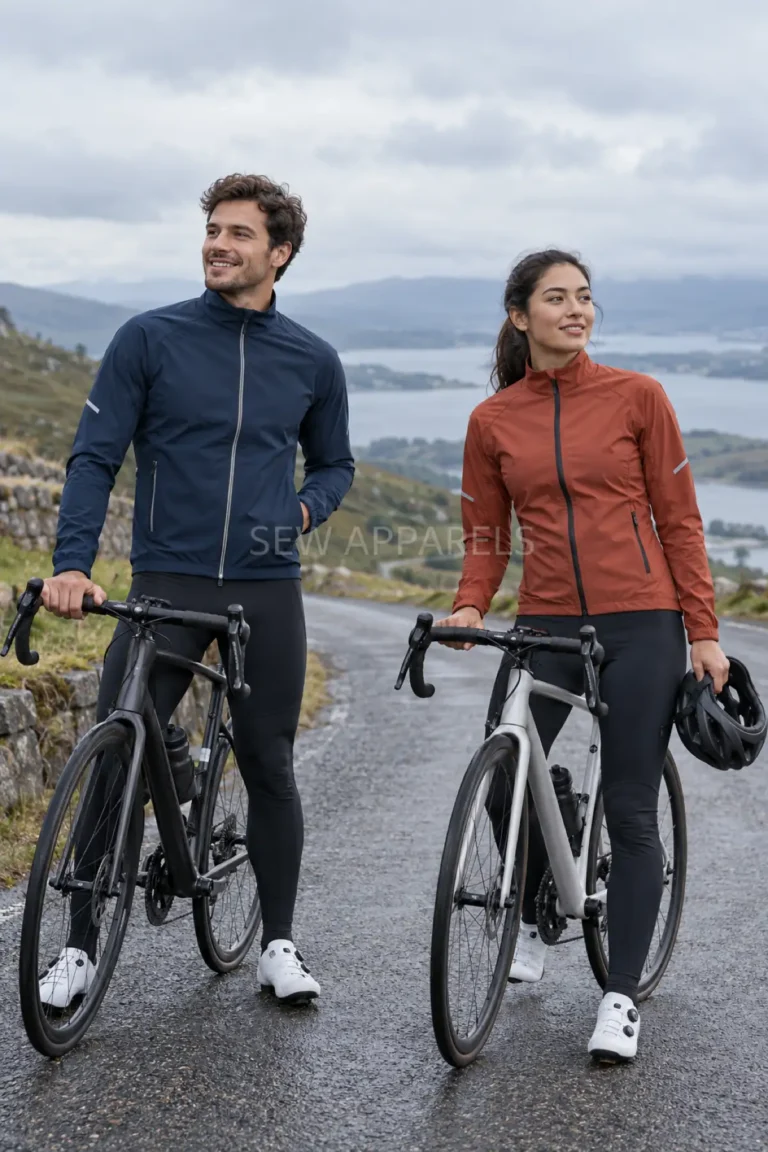
Coordinated ranges can include a ski jacket, cycling jackets or tracksuits, but each garment needs its own construction and fit approval. Matching colours do not establish shared performance or interchangeable specifications.
Retain the accepted sample, fabric references, trim list, measurements and artwork together. This gives sourcing, sewing and inspection teams a controlled standard, with specialist requirements and claims confirmed for the actual order.
Woven Shell, Lining and Insulation Decisions
Ski pant material selection considers shell weight, weave, finish and the intended layers underneath. Polyester and nylon woven fabrics are possible starting points, but fibre name alone does not establish weather protection or durability.
Approve physical swatches for shade, handle and sewing behaviour. Lining fabrics should work with the shell and base layers, while optional insulation changes internal space, seam bulk and packed volume.
Specify reinforcement materials separately for knees or inner-leg areas where required. Review their colour, attachment and care compatibility on the finished sample rather than treating reinforcement as a standard feature.
Our ski jackets page covers related upper-body material planning. Both garments still require individual bills of materials, with any coating, lining or fill substitution checked against the accepted fit and construction before bulk approval.
Waist, Front Closure and Lower-Leg Engineering
Ski pant waist construction should support the approved rise and layering allowance. Adjustable tabs, belt loops or elastic inserts follow the buyer’s design, with closure operation checked while standing, bending and sitting.
Review waistband shape, front fastening and lining attachment together. Hardware and elastic choices can alter tension or finish, so approve the actual components before confirming the graded pattern.
Boot openings, ankle zips and internal gaiters need a separate lower-leg specification. Identify the intended footwear and review overlap, opening size and hardware placement on a completed sample.
Check hem clearance and attachment seams during movement. A changed boot, lining or reinforcement panel may affect the opening; document adjustments before the pre-production garment becomes the reference for bulk sewing.
Pocket Systems, Reinforcement and Seam Integrity
Ski pant pockets must remain accessible with the waistband secured and intended layers underneath. Position pocket bags, zipper flaps and closures so they do not catch or pull when the wearer bends.
Agree reinforcement at knees, seat or inner-leg areas where specified. Added layers affect cutting, seam thickness and movement, so confirm materials and attachment methods on the finished sample.
Inspect seam construction, panel alignment, pocket operation and lower-leg attachments against approved tolerances. Specialist seam treatment requires its own feasibility and verification plan rather than an assumption based on ordinary sewn seams.
Branding should avoid openings and high-friction joins. Related softshell jackets and woven jackets may share a colour palette, but each decoration method needs approval on the actual ski-pant shell and finish.
Fit, Movement and Size Grading for Layered Pants
Ski pant fit review starts with waist, rise, seat ease and knee position over the intended layers. Standing measurements should be supported by walking, bending and a deep knee-flex check in the specified footwear.
Assess inseam, lower-leg shape and hem coverage during movement. Lining and insulation can change internal space, so shell and insulated versions should not automatically share an unchanged pattern.
Men’s, women’s and youth ranges may require separate measurement blocks. Grade the approved base size while preserving pocket access, knee position, waist adjustment and practical boot-opening proportions.
Record tolerances and fit comments against the accepted sample before bulk cutting. If the wearer brief or material stack changes, contact our team to review the revised sample and measurements before production approval.
Weather Features, Testing and Care Requirements
Ski pant weather features need clearly defined evidence. A repellent surface, waterproof fabric and treated-seam garment are different specifications, and a shell rating cannot automatically describe the completed pant.
Agree the test method, sample condition and acceptance level for any water, breathability or thermal claim. Visual AQL inspection checks workmanship but does not replace the required technical verification.
Review shell, lining, insulation, reinforcement, trims and decoration for compatible care. A changed coating or component may alter washing behaviour, measurements or the basis of an earlier approval.
Textile Exchange standards provide background for material claims, while actual supplier documents determine order-specific statements. Our woven apparel and manufacturing process pages provide wider context, not certification of a particular ski-pant construction.
Sourcing Repeat Ski Pant Programs from Bangladesh
Repeat ski pant orders need controlled material and measurement references. Retain the accepted garment, colour standard, trim specification, artwork and packing instructions so later batches can be compared with the approved construction.
The working minimum is 500 pieces per design and colour. Different shells, insulation or artwork versions may have separate sourcing minimums; provide a clear quantity and size breakdown for quotation.
Up to 80K woven pieces monthly is a factory-wide planning reference, not reserved ski-pant output. Actual allocation depends on materials, approved samples, line loading and any confirmed specialist operations or tests.
Approve folding, individual protection, size labels and carton assortments using the finished sample. Insulation changes packed volume, while freight transit remains separate from production timing. Review substitutions and delivery milestones before releasing a repeat order.
Develop Your Ski Pant Programme
Send your ski-pant tech pack, size chart, shell and lining brief, insulation or uninsulated choice, waist and hem plan, artwork, testing requirements, quantity and destination. We will review feasibility, the sample route, 500-piece MOQ and order-specific timing before a bulk commitment.
