Armhole Binding Options: Tank Tops
Control binding material, cut and finished width, edge stretch, armhole coverage, attachment ratio, seam construction, washing and graded fit before bulk approval.
Read the armhole binding options guide
These tank tops buying guides help sourcing teams plan custom tanks with clearer decisions about fit, armhole binding, edge stretch, coverage, testing and production. Each published guide answers one defined development question and links the answer to the original Sew Apparels tank top manufacturing service, helping buyers turn research into an accurate, traceable product brief.
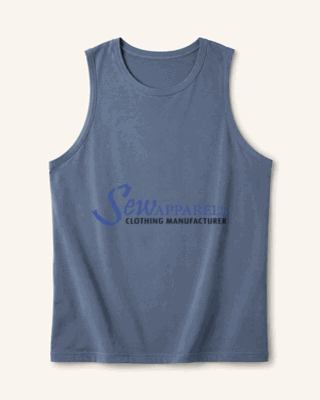
Control binding material, cut and finished width, edge stretch, armhole coverage, attachment ratio, seam construction, washing and graded fit before bulk approval.
Read the armhole binding options guideCompare strap width, back shape, shoulder mobility, neckline and armhole balance, graded fit, wash performance and bulk controls before choosing a racerback or regular-back tank.
Read the racerback versus regular back guideCompare shared fabric, separate shade and trim commitments, sample priorities, colour-by-size allocation and supplier-confirmed minimums before approving a capsule.
Read the colour capsule minimum order guideApprove slider and ring geometry, strap travel, grip, attachment, skin-contact finish, size range and care evidence as one working assembly.
Read the adjustable strap hardware guideCompare shoulder-joint strength, extension, stitch formation and skin-side bulk on production-intent fabric, sizes and care conditions.
Read the shoulder seam durability guideControl lighting, backgrounds, worn extension, doubled areas, garment fit and after-care observations before approving white tank coverage.
Read the white tank opacity guideThe product brief used with these tank tops buying guides identifies the wearer, activity, market, climate and intended silhouette before the edge finish is selected. Define whether the style is a classic athletic tank, fitted fashion tank, racerback, muscle tank or performance singlet. Add target fabric composition, finished GSM, size range, colour count, decoration, order quantity and delivery country. These decisions influence shoulder width, neckline depth, armhole curve, side-seam height and the amount of coverage the final garment needs.
Include front, back and side sketches with a measurement chart and point-of-measure diagrams. Record chest width, body length, shoulder width, neckline opening, armhole depth, side-seam height and visible binding width. State whether the armhole value follows the seam line or finished edge. Clear references allow the pattern maker, sample room and quality team to inspect the same target instead of interpreting a short note differently.
Tank top armholes may use self-fabric binding, rib binding, folded elastic, a clean turnback or a narrow coverstitch finish. The choice must suit the body fabric, stretch direction, desired appearance and wearer use. Self-fabric can match colour and handfeel, while rib can offer more widthwise extensibility. Performance styles may need a firmer recovery system that stays close to the body through repeated movement. Use the tank tops buying guides to compare each edge route with its sample evidence.
Record body and binding fibre content, knit structure, finished weight, stretch direction, cut width, finished visible width and strip length. Add the attachment ratio, seam type, thread, needle, stitch density, differential feed and topstitch position. A labelled cross-section sketch is valuable because a phrase such as “10 mm binding” may refer to cut width, total finished width or only the visible edge.
Binding cannot correct an unbalanced pattern on its own. Gaping may come from an armhole seam line that is too long, incorrect shoulder angle, insufficient bust shaping or unsuitable side-seam height. Tightness can come from a curve that is too small or from excessive binding tension. Approve the body pattern and edge finish together, then photograph front, side and back views on the intended fit model. The tank tops buying guides separate pattern balance from binding selection so corrections remain traceable.
Check movement as well as the standing pose. Ask the wearer to reach forward, raise both arms and put the garment on and off. Review underarm comfort, bra or base-layer coverage where relevant, edge return, shoulder position and side-seam movement. For a broad or unisex size range, confirm representative small, base and large sizes instead of assuming one proportional grade rule will preserve the same coverage.
Use a documented fit sample, revised sample and pre-production sample. The final approved version should use production-intent body fabric, binding, thread, labels, decoration and finishing. Measure the armhole opening and visible binding width in a relaxed condition, extend the edge to an agreed dimension and measure its return after a defined recovery period. Repeat the cycle to reveal progressive growth rather than judging one hand stretch. Apply the relevant tank tops buying guides to record which approval stage each trial supports.
Wash and dry the complete garment using the intended care route, then condition it before measurement. Body and binding materials can shrink at different rates, creating rippling, twisting or a tighter edge even when the original sample looked correct. Retain a signed washed garment and labelled material swatches. Record colour, lot, pattern revision, attachment ratio, machine setup and wash status on every development sample.
A low MOQ tank top manufacturer can support focused development, but workable quantities depend on custom fabric, dye-lot minimums, binding material, colour count, decoration, labels and packing. Sew Apparels lists a standard MOQ of 1,000 pieces per design and colour for custom tank tops. A complete product brief lets the merchandising team review material availability, sampling and costing against the real style.
For a first or smaller programme, keep the launch assortment controlled. Use one approved body and binding construction across a practical colour range where possible. Send the target quantity, size breakdown, fabric direction, binding method, measurement chart, artwork, labels, packing method and delivery country. This prevents price and lead-time assumptions from replacing a documented sourcing plan.
Startup clothing brands can reduce repeated samples by approving decisions in sequence: wearer and silhouette, body pattern, fabric, binding construction, cut width, attachment ratio, seam stretch, wash result and graded fit. Separate essential launch requirements from changes that can wait for a later collection. Keep all comments in one dated file and identify the exact sample revision under review.
Sew Apparels can discuss startup tank top development after the specification is clear. Structured comments, signed samples and labelled swatches create a useful production record for new colours and future reorders. Testing and approval remain necessary, but a traceable process helps the startup team protect fit consistency while controlling sampling time and avoidable revisions.
During bulk production, check binding strip width and length, joins, control marks, differential feed, visible width and seam stretch at planned intervals. Inspect both left and right armholes because handling and folder alignment can create an asymmetric result. Compare surface, edge shape and stitch position with the sealed sample as well as the numeric tolerance.
At final inspection, allow garments to rest before measurement and review selected sizes and colours under the same conditioning method. Record defects by bundle, machine and material lot so corrective action addresses the source. The quality plan should distinguish gaping, excessive tension, uneven width, broken stitches, needle damage, seam exposure and differential shrinkage instead of grouping every fault as poor binding.
Label every fabric swatch and garment sample with style, supplier, construction, colour, date, wash status and revision. If a sample is rejected, record whether the correction concerns pattern coverage, binding width, edge stretch, seam performance or appearance. A simple change log prevents the buyer, merchandiser and sample room from following different instructions. Keep the selected tank tops buying guides linked in the brief alongside the controlled sample references.
Before bulk cutting, compare the production material with the approved standard for weight, width, shade, stretch, recovery, shrinkage and surface. Measure the graded size set and confirm that armhole depth, shoulder width, side-seam height and binding length remain balanced. This final gate protects the approved silhouette and reduces avoidable sewing rework.
ASTM D2594/D2594M provides a recognised method for measuring stretch and growth in low-power knitted fabrics under specified conditions. CottonWorks explains the widthwise extensibility of rib knits and how stretch yarn can support recovery. These references help buyers ask more precise questions; the final binding specification and test plan must still match the garment, destination market and agreed care route.
Combine the intended silhouette, armhole curve, coverage, binding construction, width, attachment ratio, seam method, graded measurements, wash checks, branding and order quantity in one controlled document. A complete brief lets sampling and production teams quote, develop and inspect the same approved target.
Request a Custom Tank Top Quote