
SEW APPARELS · BUYER RESOURCES
Dad Hat Buying Guides
Dad hat buying guides help brands develop a relaxed cap with a clear relationship between crown shape, fabric, decoration and fit. Begin with the intended wearer and product character, then identify the details that make the collection distinctive. A washed lifestyle cap, a clean cotton twill style and a seasonal textured design may share a low profile while requiring different development decisions. This resource brings those decisions together before sampling and quotation. Use the focused technical article below to examine crown shaping, then keep the wider brief coordinated as materials, artwork and commercial requirements are confirmed.
Our dad hat buying guides organise the questions behind a manufacturing enquiry. Record the target size range, fabric preference, visor shape, closure style and expected quantities in one current document. Include reference images for appearance, but support them with measurable details and a representative sample whenever possible. The Sew Apparels custom dad hat manufacturing page explains the commercial product options, while this guide helps buyers prepare the construction and approval decisions. Connecting those roles gives the brand and sample team a shared basis for discussing what needs to be developed, tested, priced and approved before production begins.
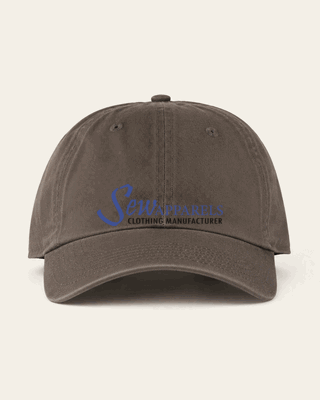
Low-profile crown shaping: softness, wash and depth
Develop the relaxed silhouette with seven practical checks, an annotated construction example and a buyer decision table for finished sample approval.
Read the crown shaping guideStrap-back closure design: range, buckle and tail control
Compare adjustment range, buckle placement and strap-tail storage before approving a dad hat closure. The guide covers sample checks that help keep the relaxed fit consistent.
Read the strap-back closure guideEmbroidery puckering after washing: post-care checks
Compare blank and decorated dad hats, control the care and drying routine, isolate shrinkage mismatch, assess every logo boundary and retain the approved post-care sample.
Read the embroidery puckering guideLeather patch material claims: evidence checks
Separate leather appearance from verified composition, identify every patch layer, check supplier and laboratory evidence, and approve accurate market-specific wording.
Read the leather patch claims guideDistressed dad hat fray durability: control checks
Map every intentional abrasion, define measurable feature boundaries, run controlled care and handling trials, and prevent decorative fray from becoming structural damage.
Read the fray durability guideSlub cotton dad hat appearance approval
Define the intended slub range, separate texture from yarn faults, review distribution across whole caps, check decoration interaction and retain clear boundary samples.
Read the slub appearance guide1. Define the relaxed crown and finished fit
Start dad hat buying guides with the intended front and side profile. Describe how closely the crown should follow the head, how much natural folding is acceptable and how the front meets the curved visor. A low-profile description needs a measuring method and a physical reference to become useful for production. Record the head opening, crown depth and closure setting used during each sample review. Keep viewing conditions consistent so differences in photography or adjustment do not disguise a change in shape. Approve the overall balance before focusing on one isolated measurement in the technical pack.
Existing styles can illustrate a construction approach without defining the correct shape for every brand. Beechfield's B655 Low Profile Vintage Cap combines washed cotton, a soft unstructured crown and a pre-curved peak. Treat that combination as context, then choose the material and geometry that suit your own collection. Dad hat buying guides should help the team distinguish a relaxed design feature from a defect such as uneven panel balance. Keep the chosen sample labelled with its size, revision and intended adjustment so later comparisons use the same approved reference and consistent inspection conditions.
2. Choose fabric and the intended washed finish
Fabric choice should support the desired crown drape, surface character and decoration. Sew Apparels lists cotton twill, washed cotton twill, canvas, denim, corduroy and selected cotton blends among its dad hat options. Each proposed construction needs sample review because a fibre name alone does not establish softness or the finished profile. Dad hat buying guides encourage buyers to identify the material, finishing route and any internal layers together. If a washed look is required, explain the target shade and texture and confirm whether the process applies to the fabric or the constructed cap before production decisions are finalised.
A clean twill option can provide a different presentation from a heavily washed vintage style. The Flexfit Australia 6245CM product page describes cotton twill with a low, unstructured crown and an adjustable buckle strap, offering another product-specific reference. Your brief still needs its own approved handling and appearance standard. Use dad hat buying guides to connect the fabric decision with the actual sample after decoration and finishing. Confirm care instructions for the complete product, including visor components and trims, instead of assuming that a washed appearance permits a particular consumer washing method.
3. Coordinate artwork, visor balance and strap-back closure
Place the logo in relation to the finished front seam and visor attachment, using actual artwork dimensions and a named reference point. Review embroidery or patches on the chosen soft crown because their backing and attachment can change the local feel and shape. Dad hat buying guides should keep decoration decisions connected to the silhouette rather than treating artwork as a final cosmetic step. Approve the front, side and inside views of the decorated cap, then document the selected backing and workmanship reference. Check that the visor curve remains balanced with the relaxed crown and the intended wearing position.
Choose the strap-back closure as part of the fit review. Identify the proposed buckle, strap material, usable adjustment range and the way the loose tail is stored. Check the inside finish and confirm that the selected hardware works with the fabric thickness. Dad hat buying guides should also connect the rear opening shape with crown depth so tightening the cap does not create an unintended distortion. Test representative adjustment positions on the finished sample, record the approved arrangement and keep the closure specification with the bill of materials so future orders use a consistent reference for construction and fit.
4. Low MOQ dad hat manufacturer: choose the fabric route
Brands looking for a low MOQ dad hat manufacturer should first compare the available fabric routes. Sew Apparels currently lists 576 pieces per colour and style with matching export-quality stock fabric, or 5,184 pieces per colour and style with custom fabric. These routes have different minimums, so a small launch should not assume that a newly developed material can use the stock-fabric quantity. Dad hat buying guides help buyers organise the colour range, size requirements and decoration before requesting a quotation. Confirm current fabric availability and the proposed specification with the team before committing to a collection plan.
Keep the first order focused on the details that define the brand. An available fabric may support the desired crown and finish while reducing the need for a custom material development, but suitability must be confirmed through sampling. Separate the quoted costs for samples, decoration setup, labels, packaging and production so comparisons remain clear. These dad hat buying guides do not promise an unconfirmed price or a lower minimum than the product page states. Ask the team to review the complete brief and document the agreed quantities, materials and commercial terms alongside the final sample approval record.
5. Development support for startup brands
Sew Apparels gives startup brands priority during the enquiry and development discussion, helping new teams organise a brief for their first headwear collection. Bring the concept, target customer, budget range, artwork and expected launch timing so the conversation can focus on feasible options. Dad hat buying guides can help a new brand identify the questions it still needs to answer about fabric, fit, finishing and decoration. Confirm the scope and cost of any development support with the team rather than assuming every service is included. Clear responsibilities and documented decisions make the sampling process easier for both sides to follow.
6. Finalise sampling, timing and production approval
Sew Apparels lists sampling at approximately 10–15 days and production at approximately 15–30 days at the minimum order quantity after pre-production sample approval, with timing dependent on the order requirements. Confirm the current schedule for the actual fabric, finish and decoration in your brief. Dad hat buying guides should end with a complete approval record: finished measurements, material identity, artwork, closure details, packing instructions and the accepted sample revision. Allow time to review changes before fixing the launch date, and keep the final reference accessible so repeat orders can be compared with the same documented product.
Turn your development decisions into a product brief
Bring your crown reference, fabric preferences, artwork and expected quantities to the product enquiry. A coordinated brief gives the team a clearer basis for sampling and quotation.
Explore custom dad hats