
SEW APPARELS · BUYER RESOURCES
Golf Cap Buying Guides
Golf cap buying guides help brands, clubs and pro shops turn a visual idea into a clear manufacturing brief. A successful cap brings together crown shape, visor coverage, underbrim colour, sweatband comfort and decoration that suits the selected fabric. These decisions need to be reviewed as one product because changing a material or construction detail can affect the final appearance and fit. Use this resource to organise your sample questions, compare approved options and identify the information a manufacturer needs before preparing a quotation, developing a prototype or scheduling a branded golf headwear order.
Start with the intended wearer, sales channel and conditions of use. A club merchandise range, sponsor programme and retail collection may need different quantities, artwork approvals and packaging. Golf cap buying guides connect those commercial requirements with the physical sample: crown profile, closure range, component colours and decoration must agree before production is released. Share the proposed fabric, logo files, target quantity and delivery destination with Sew Apparels, then document the confirmed sampling scope and approval owners. Keep the accepted material references and sample revision together so future reorders can follow the same specification rather than an incomplete visual description.
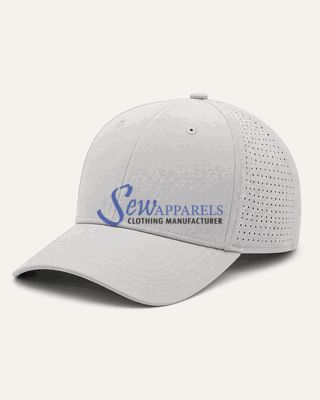
Choose the underbrim colour for the finished golf cap
Compare glare-related expectations, separate underbrim and lining colours, and approve the visor edge with the finished cap. Follow seven practical checks, an annotated construction example and a buyer decision table.
Read the underbrim colour guideCompare golf cap sweatband construction
Compare sweatband material, absorbency, seam placement and fit against the intended climate and wear period. Use a finished sample to judge comfort and repeatable construction before bulk approval.
Read the sweatband guideGolf cap metal badge versus embroidery cost
Compare badge tooling, embroidery setup, attachment, samples, weight, care evidence and repeat-order assumptions in one decision-ready quote.
Read decoration cost guideGolf cap outdoor lightfastness evaluation
Define outdoor use, test exact materials and decoration, interpret exposure ratings and approve colour-retention evidence without promising service life.
Read lightfastness guideGolf cap sponsor sample approval schedule
Assign sponsor and buyer approval owners, separate artwork from physical samples, consolidate feedback and freeze one authorised version before purchase.
Read sponsor approval guideGolf cap sunscreen stain testing
Control sunscreen application, compare pale fabrics, separate oil marks from colour change and approve cleaning evidence with a repeatable buyer trial matrix.
Read sunscreen stain guide1. Match crown shape and visor coverage to the brief
Begin with a crown profile and wearing position that suit the collection. Low, mid and more structured shapes can present the same artwork differently, while visor projection and curve influence the front and side appearance. Golf cap buying guides should keep these choices connected to the intended size and closure system. Ask for consistent front, side and rear views of the sample, then review the cap on a suitable form or wearer. Record the approved profile, attachment angle and fit comments so later revisions address a specific construction issue rather than relying on a general description such as sporty.
Coordinate the closure with the crown and sweatband before accepting a sample as comfortable. Snap, buckle and hook-and-loop options offer different adjustment details, and the surrounding opening also affects the finished fit. Check that the cap stays in the intended wearing position without an uncomfortable pressure point. Golf cap buying guides can help buyers record adjustment range, crown depth and visor symmetry in one review. Confirm which measurements the supplier will use and how the sample is positioned during measurement, especially when a reference cap and a new prototype appear different despite having similar labelled dimensions.
2. Select fabrics and interior components together
Compare cotton twill, polyester twill, stretch woven, microfiber, mesh and suitable performance fabrics against the needs of the collection. A club merchandise cap may prioritise hand feel and embroidery appearance, while a warm-weather programme may place more emphasis on weight and ventilation. Golf cap buying guides should describe the actual fabric construction and finish rather than promise performance from the fibre name alone. Review swatches alongside the selected crown support, visor insert and decoration method. Confirm any required material documentation or evaluation before adopting a claim about drying, moisture handling, recycled content or another feature in customer-facing copy.
List the underbrim, front lining, seam tape and sweatband as separate components in the bill of materials. The official Nike Pro golf cap product details illustrate why this matters: its underbill and front lining use different stated materials. That is a useful specification example, not a required material combination. Golf cap buying guides should help buyers identify each component’s colour, supplier reference and approval status. If a material changes during sampling, assess the assembled cap again and update the brief so the revised interior matches the agreed fit, appearance and finishing requirements before production approval.
3. Coordinate underbrim colour, visor edges and branding
Approve the underbrim colour with the finished visor curve, edge construction and upper fabric. A dark underside is used in established golf headwear; the official TaylorMade Radar Hat describes it as a glare-related feature. This example does not quantify performance for your chosen fabric. Golf cap buying guides should separate the intended appearance from any claim that requires evidence. Compare the actual sample under consistent review conditions and record the chosen colour reference, surface finish and visible edge treatment. Keep the underbrim instruction distinct from the crown lining so the sample maker knows which component each approval covers.
Plan front, side and back decoration around seams, eyelets, ventilation and the selected closure. Club crests, tournament marks and sponsor artwork need enough space to remain clear without competing for the same area. Review embroidery, patches or compatible transfer graphics on the intended fabric before approving the production method. Golf cap buying guides should also connect thread colours with visor edge stitching, piping and underside details. Confirm artwork dimensions and placement references in the brief, then check the decorated sample for distortion, interior roughness and balance from the front and side views before the final approval is recorded.
4. Low MOQ golf cap manufacturer options
A low MOQ golf cap manufacturer discussion should begin with the actual material route. Sew Apparels lists 576 pieces with matching export-quality stock fabric or 5,184 pieces with custom fabric, per colour and style, on the golf cap product page. Golf cap buying guides use these published quantities as planning references, with final feasibility confirmed for the chosen construction and branding. Ask which available fabrics can meet the intended appearance before requesting a custom development. Confirm colour availability, trim requirements and the quantity breakdown together so the proposed order reflects the complete cap rather than one isolated component.
Small MOQ golf cap planning works best when the first range has a clear purpose and a manageable number of colourways. Compare the stock-material route with custom fabric development while keeping sample quality and approved construction requirements visible. Golf cap buying guides can help a startup identify where a shared material or trim may simplify the brief without changing the intended product. Request confirmation of the applicable minimums, sampling charges, decoration requirements and packing arrangements before committing to a launch quantity. A lower quantity should still have a documented specification and an agreed sample approval process for the finished cap.
5. Golf cap development support for startup brands
Sew Apparels prioritises working with startup brands that need help turning a cap concept into a practical brief. Bring the intended audience, reference images, artwork files, preferred materials and a quantity estimate to the discussion. Golf cap buying guides help organise those inputs so unresolved decisions can be identified early. Agree the scope of sampling, revision responsibilities and costs with the team rather than assuming every service is included. Review fit, branding and interior comfort together, and keep an approved sample as the reference for production, especially when the first collection will introduce the brand to club or retail buyers.
6. Organise sampling, inspection and delivery decisions
The golf cap product page lists a sampling reference of 10–15 days and bulk production of 15–30 days at the applicable MOQ after PP approval, with timing dependent on quantity. Confirm the schedule for your actual materials, decoration and delivery plan. Golf cap buying guides should connect that timeline with clear approval responsibilities and inspection points for crown shape, visor curve, sweatband attachment, closure function and logo placement. Record packing requirements and destination details early, then confirm shipment arrangements separately. Retain revision numbers and approved references so repeat orders can be compared with the intended construction and colour combination.
Turn your golf cap decisions into a product brief
Bring your preferred silhouette, material references, underbrim colours, branding artwork and estimated quantities. Our golf cap team can review the development requirements and help organise the next sample discussion.
Explore golf cap manufacturing