
Rope Cap Buying Guides
Rope cap buying guides turn a trim-led concept into a sample-ready brief. Set the cap silhouette, front-panel height, visor profile, rope material, placement and end treatment together so the visible line stays intentional from first sample through bulk approval.
Use the published technical articles below to review rope attachment, front-panel balance, substitute components, shared colour minimums, packing and staining evidence. Keep the selected material reference, dimensions and revision notes together, then compare each sample against the same written brief. Choose the guide that answers the open decision rather than repeating a general sourcing checklist.
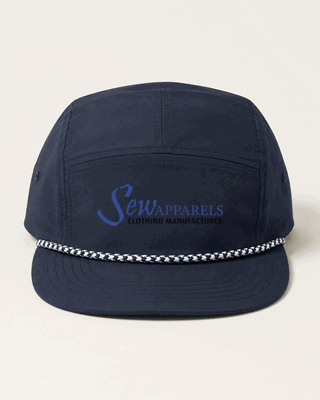
1. Review rope trim attachment
Check the rope material, visible line, visor seam route and end treatment as one construction decision. Use the technical guide to record exactly what the sample must prove before bulk approval.
Read the rope trim attachment guide2. Assess front-panel shape balance
Review crown height, front-panel support, rope placement and visor proportion together. The guide gives the inspection points needed to keep the front view balanced across the selected cap construction.
Read the front-panel shape balance guide3. Compare related curved-visor shaping
For another cap construction reference, compare how brim curve, crown support and stitching affect a finished front profile. The curved-visor shaping guide is a related cap example; confirm final rope placement on the rope cap sample itself.
Read the curved-visor shaping guide4. Approve a discontinued rope trim replacement
Compare substitute rope appearance, assembled samples, test scope and remaining stock before releasing a controlled component change.
Read discontinued rope replacement guide5. Plan shared rope colour minimums
Calculate rope metres across approved styles, confirm per-colour minimums and record stock ownership before consolidating the purchase.
Read rope colour MOQ pooling guide6. Check rope cap carton pressure marks
Compare nesting, separators and caps per carton, then record unpacking and recovery evidence before approving the packing sequence.
Read rope cap packing indentation guide7. Review rope trim staining evidence
Identify the rope and crown fabric pair, separate water and rubbing exposure, and review care results before accepting the trim.
Read rope trim colour bleeding test guideHow to Use These Rope Cap Buying Guides
Begin with the decision that is still open. Use the rope trim attachment guide to define the material, route and end-control evidence. Use the front-panel guide to assess how that trim reads beside the crown and visor on the selected sample.
Use these rope cap buying guides to keep every observation tied to one current sample, fabric and component route. A rope cap can look correct in a front image while the material shifts, catches or changes proportion during wear and packing. Record measurable decisions, approved details and unresolved questions in the same revision file.
Prepare a Clear Rope Cap Brief
A practical rope cap brief identifies the cap shape, panel count, front height, visor length and curve before it describes the rope. Add the material reference, colour, thickness, finish, start and end points, artwork area, labels, packing requirements and intended wearer. Mark what is fixed and what still needs sample development.
Measure the rope offset from the visor seam at the centre and both side positions; record the tolerance on the approved sample. Check whether the rope is stitched into the visor join or attached by another controlled method, then inspect whether it remains straight after handling and care.
Photograph the front and side views against a simple scale so the team can compare bulk caps to a reproducible visual standard. Ask the sample team to note whether the chosen rope fibre, finish or core changes the bend around the visor and whether the ends are secured without a hard point against the wearer.
Keep the artwork and construction reference on the same revision. State how the rope relates to the visor seam, whether it is captured by a seam or added in a separate operation, and what visible finish is acceptable at both ends. A marked drawing and wearable sample make later approval more reliable than a generic product photo.
Connect Rope, Front Panel and Visor Decisions
Rope proportion depends on the cap around it. A revised crown height, cover fabric, front-panel support or visor curve can change how the trim appears even when the rope itself is unchanged. Review these choices together so the sample team works from one visual and functional target.
Test the assembled cap on more than one wearer or head form and review the front view, side profile and position of the rope relative to the embroidery area. If the panel buckles, the rope seems to slope, or the visor pulls at one side, record which construction change caused it before accepting a cosmetic correction.
Retain the dated approved sample, trim code and production pattern together. A material substitution or changed visor curve should reopen the affected rope-placement approval rather than rely on a photograph alone. Before bulk release, check the first production caps at the same measurement points used on the signed sample: rope distance from visor seam, symmetry at both sides, crown height and front-panel smoothness.
Inspect the rope ends for secure attachment and the inside seam for wearer comfort. Set a practical inspection frequency across fabric lots and sewing lines, and photograph any deviation with a ruler. The correction record should identify the lot and operation so the supplier can address the cause.
Check the finished cap from front, side and worn views. Note the rope position against stable construction points, compare the selected sample with the approved brief and separate preference comments from measurable corrections. This helps a supplier act on the next revision without guessing what a broad comment means.
Use Technical References Alongside Sample Evidence
For product-form context, Richardson's rope cap example and Cap America's rope-cap range show how rope accents appear on finished caps. They are market examples, not a substitute for your own material identity, construction drawing and sample approval.
These rope cap buying guides use technical references to support a focused development discussion; they do not approve the complete cap. Keep supplier material details, component specifications and sample comments separately labelled. Identify the trim, fabric, drawing version and sample condition each record covers, then decide what must be rechecked whenever a construction choice changes.
Low MOQ Rope Cap Manufacturer: Plan the First Run
If you are comparing a low MOQ rope cap manufacturer, define the first order by design, colour and size route before requesting a quotation. Cap construction, rope material, placement, decoration and packing can affect the applicable minimum. Settle the technical direction first, then confirm the minimum, sample charges and development scope in writing for the selected style.
A first-order quotation should separate the garment minimum from the rope supplier’s colour minimum. Record who owns unused trim and whether it can be reserved for a repeat order. Sharing one approved rope colour across styles may be worth discussing, but do not assume different materials or diameters can be pooled. Compare the assembled sample before accepting an economical substitute. This gives a small launch a defined material route without promising that every component is available in any requested quantity.
Support for Startup Cap Brands
Startup cap brands can use these rope cap buying guides to prepare an early-stage development enquiry. Share the intended customer, reference direction, budget range and launch plan so the team can review cap construction, trim, branding and sample requirements. Keep the first collection focused and confirm scope, charges and production milestones before committing to bulk.
Assign an approval owner for the first sample and maintain one dated decision sheet for changes to the rope, visor, crown and decoration. If the original rope becomes unavailable, carry that revision into the quotation and purchase order rather than accepting a verbal replacement. A clear version record helps the next supplier discussion start from the same approved specification.
Turn Your Rope Cap Decisions into a Product Brief
After using these rope cap buying guides, collect the current drawing, material reference, finished measurements and sample comments in one file. Visit our custom rope cap manufacturing page to discuss the requested product and development requirements with Sew Apparels.
Explore rope cap manufacturing