
Rope cap trim colour MOQ pooling can help a brand combine the rope requirement of several cap styles into one planned component purchase. It works only when those styles can use the same approved rope specification and colour, and when the supplier accepts the combined order.
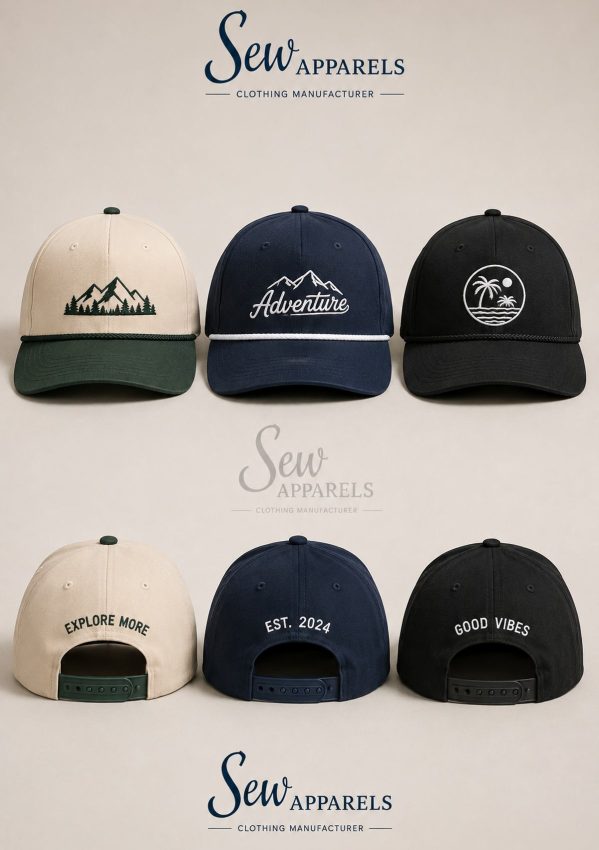
Adding cap quantities together without checking the cord, consumption and delivery dates can create a misleading picture of the minimum order quantity.
This guide sets out six decisions for shared rope colours: define the component, calculate metres, confirm the supplier minimum, allocate stock, compare costs and approve the purchasing schedule. The result should be an order worksheet that connects finished cap demand with the material commitment.
Pooling is a planning option to investigate, not a guarantee that every small cap run can bypass a trim supplier’s minimum.
Rope cap trim colour MOQ pooling: six purchasing decisions
1. Define the shared component
Begin with one rope component code for each genuinely identical specification. Record the material where documented, diameter, braid pattern, finish, colour reference and approved supplier article. Two trims described as black rope may differ in sheen, firmness or construction. Those differences can affect appearance and attachment, so they should not be combined under one buying line merely because the colour names match.
For rope cap trim colour MOQ pooling, prepare a map of cap styles using a shared rope colour. Show which cap styles use the same rope and which need a separate component. Include the trim’s position and end treatment, because a changed construction can alter consumption even when the purchased rope is identical.
Confirm that the shared rope colour works beside each crown and visor fabric. An acceptable match on a navy cap may produce a different visual contrast on a lighter colourway.
Coats’ colour shade cards provide examples of product-specific colour selection tools for textile components. Use the principle of an identified material and colour reference when developing your own rope specification. A supplier colour book is a starting reference; approval still needs the actual decorative rope sample. The resource does not establish a rope supplier’s minimum or confirm that two different products can be pooled.
2. Convert cap quantities into a measured rope requirement
A rope cap trim colour MOQ pooling calculation needs metres by component and colour. Ask the sample team to measure consumption for each cap construction, including the length used at the ends. Multiply that figure by the planned cap quantity, then add an explicitly agreed allowance for the production process. Keep the allowance visible so a buyer can distinguish measured use from planning reserve.
Use the approved method rather than a generic length copied from another cap. Visor width, rope route, attachment position and the finishing of the ends can change the required amount. Recheck consumption if the pattern or construction changes. The rope cap buying guides help connect the material calculation to the actual assembly decision, avoiding an estimate based solely on the cap’s front photograph.
An illustrative rope metre versus cap quantity calculation
Suppose one approved style needs 0.30 metres per cap and another needs 0.32 metres. For 300 caps of the first style and 200 of the second, the measured requirement is 90 plus 64 metres, or 154 metres before any allowance.
These are hypothetical values, not standard rope consumption. If an agreed allowance is added, record the reason and calculation separately before comparing the total with the supplier’s quoted minimum.
The combined cap count is 500, but that count alone does not explain whether the rope purchase qualifies. The supplier may sell in metres, reels or another stated unit. Record the unit conversion and pack size rather than rounding informally. This makes the rope consumption order calculation repeatable when quantities change and prevents a cap quantity from being mistaken for a component buying quantity.
3. Confirm which minimum the supplier applies
For rope cap trim colour MOQ pooling, confirm the rope trim colour purchase minimum and cap rope supplier minimum separately. Ask the rope supplier whether the minimum applies to the article, individual colour, custom dye batch, package or total order. Request a written quote that names the component and unit.
A total requirement spread across several colours may still leave each colour below its own minimum. Conversely, a stock colour may have different purchasing conditions from a specially developed shade.
Ask whether the supplier allows several cap styles to draw from one component purchase and whether the factory can place that purchase as a consolidated order. Confirm any order increment, package rounding, surcharge or sample condition.
Do not describe an advertised minimum as a finished-cap minimum unless the quotation explicitly says so. Material procurement and garment assembly may have separate constraints that need separate approvals.
Colour approval should happen early enough to support the purchase decision. Coats Colour Express describes a sampling and colour-matching service for industrial sewing thread, illustrating why component colour development belongs in the sampling process. This is a thread reference, not a decorative rope pooling service. For the cap project, ask the actual rope supplier for samples, availability and minimums specific to the selected component.
4. Allocate shared rope stock to confirmed orders
A useful rope cap trim colour MOQ pooling worksheet shows opening usable stock, reserved quantities, each style’s requirement, the planned purchase and the expected balance. Identify the stock lot and colour reference so the calculation does not combine unapproved shades.
Materials already reserved for another order should not appear as freely available stock. Check physical availability before reducing a new purchase based on an old inventory record.
State who owns any leftover rope and how it will be identified, stored and reported. A brand may fund a material purchase but leave the unused balance at the factory for repeats; another agreement may include component cost in the cap price without transferring leftover ownership.
Clarify the arrangement before payment. Rope trim leftover ownership is a commercial term, not something the stock worksheet can silently decide.
Rope cap trim colour MOQ pooling also needs a rule for shared-stock changes. If one style is cancelled or its order quantity falls, show the effect on the remaining balance and cost allocation.
If another style is added, check that its specification and timing fit the existing purchase. Keep the rope stock allocation worksheet tied to approved orders so an optimistic sales forecast is not presented as committed consumption.
5. Compare pooled and separate buying scenarios
Build a rope component buying scenario to assess rope cap trim colour MOQ pooling against at least two clear scenarios: separate component purchases for each style, and one approved shared purchase. Compare required metres, purchased metres, unit price, sample costs, freight or handling charges and the remaining stock.
Show whether the rope is invoiced separately or absorbed into finished-cap pricing. This keeps a lower component rate from hiding a larger cash commitment.
For a small cap run trim budget, the cheapest rate per metre may not produce the lowest total exposure. Buying enough rope for unconfirmed future styles can leave funds tied up in an unused colour. Evaluate unique trim colour stock exposure as its own cost line.
Consider trim colour range simplification where it supports the brand’s intended appearance, but do not remove a distinctive colour solely to improve the purchasing arithmetic. Present the design and cost trade-off to the buyer.
Startup brands can discuss a focused shared-colour range through Sew Apparels’ custom rope cap manufacturing page. Confirm the actual garment and component minimums, sample scope and budget for the proposed collection. A low MOQ conversation should identify what is feasible for that order; it should not imply that every supplier offers the same minimum or that pooling always delivers a saving.
6. Align approval, purchase and production dates
Successful rope cap trim colour MOQ pooling requires compatible dates as well as compatible material. Record the colour approval deadline, supplier purchase date, expected material arrival and cap production requirement for each style. One late design decision can delay a consolidated purchase. Decide whether the earlier style can proceed with existing approved stock or whether the buyer accepts the revised schedule.
Assign an owner to the rope colour order consolidation and require confirmation before the material commitment. The approval should identify the final quantities, purchase unit, price basis, stock ownership and any remaining exposure.
Send procurement and production the same component codes and allocation plan. Keep supplier changes visible; if the approved rope becomes unavailable, follow a documented rope cap discontinued trim replacement review rather than substitute an unapproved alternative to preserve the schedule.
Complete rope minimum approval before ordering, then track the rope procurement balance. After receipt, reconcile delivered stock with the purchasing record and issue it against the planned styles. Record actual use, losses and remaining balance after production.
This turns the first pooled purchase into evidence for the next quotation. For private label rope cap production, a controlled balance is more useful than a broad statement that enough rope should be available for future repeats.
Questions buyers should settle before approval
Can different rope colours be counted toward one minimum?
Only if the supplier’s written purchasing conditions allow it. Confirm the minimum per article and per colour, including any custom colour requirement. Do not assume that a multi-colour rope MOQ quote combines all metres into one unrestricted total.
Can future styles be included in the pool?
Show them as a separate forecast scenario until their design, quantity and timing are approved. The buyer can then decide whether to fund extra stock. Keep confirmed consumption and speculative demand apart so the current order’s cost remains understandable.
What should the final approval include?
The rope cap trim colour MOQ pooling approval should connect the component standard, measured consumption, supplier minimum, allocated orders, leftover ownership and purchase schedule. When those records agree, pooling becomes a controlled procurement decision. When they do not, resolve the missing information before committing to material rather than leaving the next cap order to absorb the uncertainty.