
CYCLING SHORTS DEVELOPMENT LIBRARY
Cycling Shorts Buying Guides
Use these cycling shorts buying guides to turn a performance-wear concept into a controlled product brief. The library connects pad attachment, shell stretch, panel geometry, grippers, waistband stability, fit, grading, care and bulk inspection. Each topic helps cycling brands, clubs, distributors and startup companies compare samples with measurable evidence while the original product page remains focused on manufacturing enquiries. Keep drawings, measurements, fabric and pad codes, rider-trial records, care results and approved revisions together so pattern, sewing and quality teams work from the same production standard.
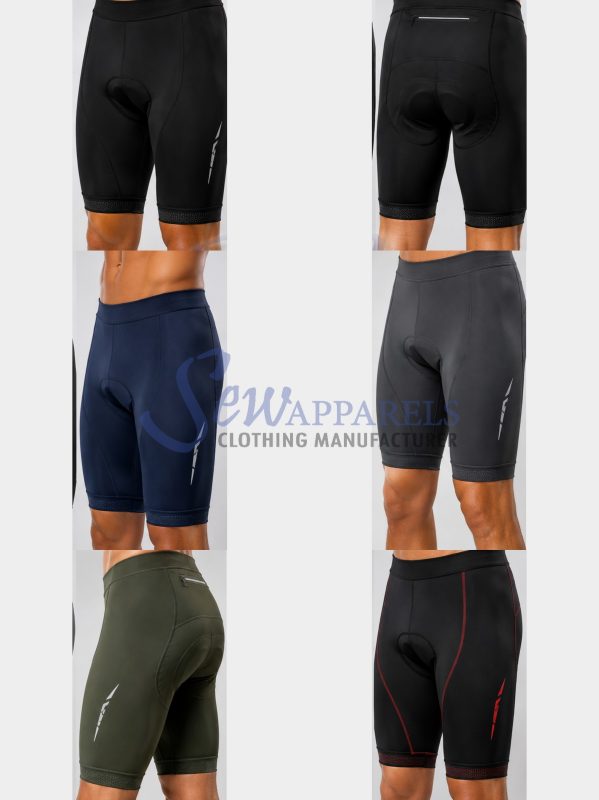
Existing cycling shorts reference showing front and back silhouettes. Use it to discuss garment shape and panel direction; it does not establish pad foam density, a UPF rating or riding-duration performance.
GUIDE 01
Pad Attachment Methods: Cycling Shorts
Control pad alignment, edge stitching, floating zones, seam bulk, stitch stretch, grading and bulk inspection with measurable evidence.
Read the pad attachment guideGUIDE 02
Gripper Seam Transitions: Cycling Shorts
Control join placement, silicone continuity, overlap, stitch elasticity, seam bulk, rider comfort, reinforcement and grading with measurable production evidence.
Read the gripper seam transition guideGUIDE 03
Cycling Short Pad Density: Comfort Evidence
Compare pad identity, layers, thickness, fatigue evidence and riding feedback before approving chamois selection and duration claims.
Read the pad density comfort guideGUIDE 04
Cycling Shorts Branded Chamois: Exact Pad Verification
Connect the pad model, sourcing, sample, received component and branding records before approving the exact chamois ordered.
Read the branded chamois verification guideGUIDE 05
Cycling Shorts Saddle Contact: Abrasion Review
Review the saddle surface, seat contact zones, fabric, print, seams and test limits before approving seat-wear claims.
Read the saddle contact abrasion guideGUIDE 06
Cycling Shorts UPF: Stretch and Claim Evidence
Connect sample identity, stretch, wet conditions, colour, care and worn coverage before approving a UV protection claim.
Read the UPF stretch evidence guideCycling Shorts Buying Guides for Controlled Product Development
Start with rider profile, riding posture, intended distance, climate, size range, garment length and target use. Define shell fabric, pad code, panel map, waistband, gripper, seams, reflective details, labels and packaging. Record fibre composition, knit structure, weight, stretch direction, recovery, opacity, colour and dimensional change. Add finished measurements, tolerances, grade rules, stitch and thread details, sample stages and approval evidence. Mark every feature from stable pattern references instead of relying on a visual mock-up. A controlled brief prevents the pattern, cutting, sewing, component and quality teams from approving different interpretations of the same cycling short. Use these cycling shorts buying guides to organise the brief before choosing a sample route.
Engineer Pad Position and Attachment
Treat the pad as a fitted component rather than a loose accessory. Identify supplier, code, face, front and rear orientation, garment-size pairing and alignment marks. Define fixed and floating sections, edge-stitch route, stitch type, thread, bite width, overlap and tolerance. Map pad position against crotch centre, rises, gusset and panel seams, then review it in the intended riding posture. Inspect wrinkles, migration, pressure ridges, skipped stitches and bulk before and after care. Retain an opened approved sample, section drawing and machine record so the production line can reproduce both placement and attachment without stretching the pad to fit a mismatched shell.
Control Fabric Stretch, Recovery and Opacity
Approve the production-intent shell in wale and course directions because cycling-short panels load the fabric differently around the hip, thigh and saddle. Record conditioned measurements, agreed extension, recovery interval, growth and opacity at representative strain. Compare colour and print behaviour under stretch. The sewn assembly should be tested as well as the fabric because seam type, thread and panel direction can limit usable extension. Any substitute yarn, finish, weight, supplier or dye lot should reopen affected fit and care approvals. Keep the material report linked to the exact sample, pattern version and cutting direction used for approval. These cycling shorts buying guides keep fabric evidence separate from finished-garment performance claims.
Develop Panels, Seams and Chafe Control
Use panel lines to support movement, shaping and component placement without creating unnecessary intersections under pressure. Define each seam type, allowance, stitch density, thread and joining sequence on the technical drawing. Review seam position against the saddle, inner thigh, pad perimeter and waistband. Inspect flatness, elasticity, skipped stitches, tunnelling, grin and thread breakage while the garment is stretched and during pedalling. Where multiple seams meet, use a section drawing to control layer order and bulk. Approve representative small, middle and large sizes because panel angles and intersection positions can shift through grading even when the base size appears balanced.
Balance Waistband and Leg Gripper Performance
Specify finished waistband height, elastic or internal structure, join position, top-edge finish and body measurement relationship. For leg openings, record gripper material, width, circumference, overlap or join, application tension and placement tolerance. Review the short in standing, bent and riding positions for rolling, sliding, pressure marks and uneven compression. A stable leg opening should not compensate for an incorrect thigh pattern, and a stronger waistband should not hide an unstable rise. Recheck recovery, adhesion where applicable and edge appearance after the agreed care cycles. Retain separate acceptance limits for measurements, movement behaviour and visible defects.
Validate Fit, Grading and Rider Movement
Specify waist, high hip, full hip, rise, crotch length, thigh, leg opening, inseam and outseam from defined landmarks. Review the base size on a representative rider, then check selected small, middle and large sizes in the same standing and cycling positions. Observe waistband stability, pad alignment, crotch balance, panel strain, leg opening and seam placement through pedalling and mounting movements. Grade the shell, pad position, panel map, gripper and waistband as one system. Record rider profile, garment size, sample version and observations so later changes are traceable. Fit approval should state the intended use and must not make medical or injury-prevention claims. The cycling shorts buying guides retain fit observations alongside the exact garment revision.
Validate Care and Bulk Quality
Confirm washing temperature, detergent, drying method, cycle count and recovery interval before sealing the product. Measure the same garment and component points before and after care, then inspect shell recovery, colour, opacity, pad position, seam security, waistband, gripper and labels. Repeat the riding-position review because dimensional change can move the pad or alter pressure at openings. Bulk inspection should cover sizes, colours, fabric and pad lots, cutting bundles, lines and operators at defined intervals. Trace defects to the applicable material, component, pattern and machine record so corrective action begins before additional units are completed.
Low MOQ Cycling Shorts Manufacturer for Startup Brands
A low MOQ cycling shorts manufacturer can help a startup brand, cycling club or new performance label validate one focused construction route before a larger programme. Small MOQ development still requires disciplined choices: limit unnecessary fabric and pad variants, combine compatible colours and sizes, and define one approval sequence. Sew Apparels gives facility and priority to startup brands through structured sampling and a clear product brief, while final minimums depend on fabric, pad sourcing, trims, decoration and production planning. Share target quantities, size ratios, markets, branding and launch dates early so feasibility, sampling evidence and bulk risks can be reviewed together.
Prepare a Decision-Ready Cycling Shorts Brief
Your enquiry should identify rider profile, intended use, style reference, size range, target quantity, delivery market, fabric, colours, pad code, panel map, waistband, grippers, seams, branding, labels, packaging and required testing. Attach front, back and inside drawings, measurement chart, component placement map, tolerances and care route. Mark fixed requirements and areas where the manufacturer may propose alternatives. Include the approval sequence, responsible decision makers and physical samples that govern production. Maintain a concise change log for every accepted revision so costing, sampling, pattern, cutting, sewing, finishing and quality teams work from the same version. Use the cycling shorts buying guides to identify decisions that still need supplier confirmation.
Technical References
ASTM D2594/D2594M-21 addresses stretch and growth of low-power knitted fabrics; do not assume it validates high-support compression or garment pressure. ISO 13935-2:2026 addresses straight-seam rupture force using a grab method, primarily for woven fabrics. A laboratory must assess applicability to the proposed cycling-short material and construction. These cycling shorts buying guides also require product-specific riding and care trials; a material test does not establish riding comfort or a medical benefit.
Turn Your Cycling Shorts Decisions into a Product Brief
Bring fabric, fit, pad, panel, waistband, gripper, care and quality decisions together before sampling. One controlled brief gives development and production teams the same measurable target and keeps every later revision traceable.
Review Cycling Shorts Manufacturing