
Cycling short pad density comfort evidence should explain the proposed pad construction and the conditions behind its performance claims. A density number is useful material information, but it is not a complete comfort rating. Buyers need to connect foam identity, thickness, construction and relevant riding feedback before approving a chamois for a cycling-short collection.
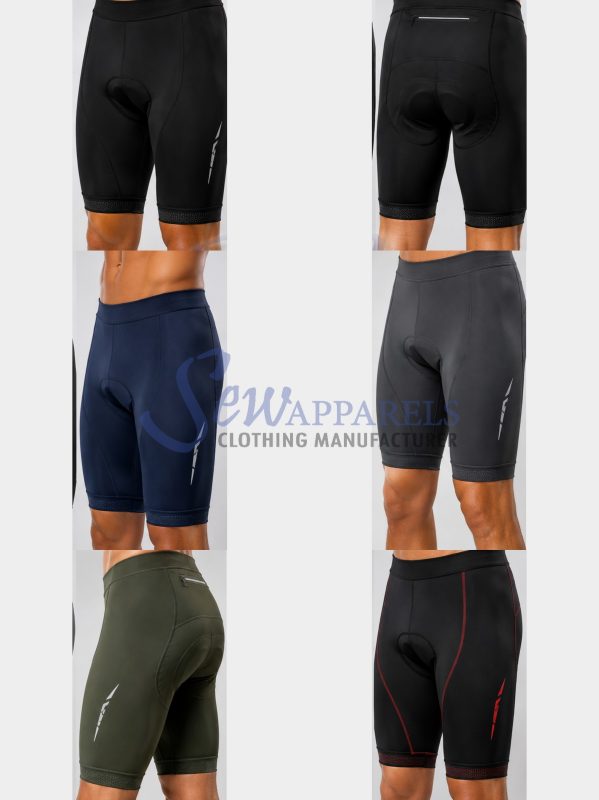
This guide sets out six selection checks for comparing pads. It separates material properties from finished-garment experience and keeps ride-duration statements within the evidence available. The approach does not establish a universal best density, promise a particular number of comfortable riding hours or claim that a supplier’s published pad technology is already used by Sew Apparels.
Define cycling short pad density comfort evidence
Foam density describes mass per unit volume. Thickness describes a dimension; neither is the same as a complete pad’s shape or a rider’s comfort response. A layered chamois may contain different foams in different zones. Ask which component the quoted density describes instead of treating the largest number on a specification as a rating for the entire pad.
A cycling chamois foam density comparison should be made between identified materials and constructions. A pad’s fabric cover, geometry, attachment and placement in the short also need review. Keep a material-level comparison distinct from a complete-garment approval so the buyer understands what has actually been evaluated.
1. Identify the proposed pad and every relevant layer
For cycling pad comparison, foam layer supplier identity should be traceable to the proposed pad reference and revision. Request the supplier’s construction information, including the relevant layers and zones. Identify which density or thickness value belongs to which component. A quotation that lists only multi-density foam leaves too much information unexplained.
When reviewing cycling short pad density comfort evidence, keep the pad reference connected to the sample garment. A supplier report for another pad or foam grade does not automatically apply. Record approved alternatives and ask what qualification is needed before a component or construction is substituted.
Check whether the quoted pad size and shape are intended for the proposed product range. Pad size applicability should cover the manufacturer’s recommended use and the garment’s placement. Do not assume that one pad shape can be transferred to every short, wearer group or riding posture without another development review.
Keep commercial descriptions separate from technical identity. Terms such as premium, gel or ergonomic may describe a marketing position without specifying the layer system. Request the underlying reference and relevant evidence rather than relying on a label. The buyer should be able to identify the pad that is being sampled and quoted.
2. Compare density and thickness on the correct basis
Cycling short pad thickness versus comfort is a design question, not a rule that thicker is always better. Ask where the thickness is measured and which zones it represents. A pad can have different local profiles, so one maximum thickness figure may not describe transitions or the complete contact area.
For cycling short pad density comfort evidence, review density and thickness separately from compression response. The foam’s resistance under a defined loading condition needs its own relevant evidence. Do not infer that every higher-density material is proportionally firmer or that two different foams with the same density must behave identically.
Elastic Interface’s materials discussion considers density alongside support, recovery and other material characteristics in its pad selection. It illustrates the value of evaluating a construction rather than one number. Its product-specific statements and technologies should not be transferred into a claim for an unidentified pad or an untested Sew Apparels garment.
In a cycling pad comparison, pad density versus thickness should be recorded by relevant layer or zone. Keep units and measurement context visible. If one offer provides density for an insert and another gives thickness for a complete pad, request comparable information before ranking them. Unlike specifications do not establish which product will feel better during a ride.
3. Review compression and ageing evidence
A cycling pad compression fatigue review should identify the material or assembly tested and the conditions used. Ask whether the evidence concerns a foam specimen, a layered insert or a finished pad. These are different scopes. An initial compression result should not be presented as proof that the construction retains its behaviour after repeated use.
For cycling short pad density comfort evidence, chamois compression fatigue data should state the test method, specimen context and reported changes. Ask what was measured before and after the procedure and how the supplier interprets the result. Do not invent a universal pass threshold or convert a laboratory cycle count directly into riding hours.
ASTM D3574-25 covers tests for flexible cellular polyurethane foams. Its published guidance limits interpretation to the particular test conditions rather than assuming identical behaviour in use. A qualified laboratory should select the applicable procedure and specimen arrangement. A foam result is not, by itself, a finished cycling-pad comfort certification.
The pad ageing report scope should also be explicit. Identify the exposure, material revision and property evaluated. A supplier’s ageing evidence may help assess a component, but it does not automatically describe care, riding conditions or the completed garment’s lifetime. Keep missing information visible instead of turning a partial report into a broad durability promise.
4. Define a controlled riding comfort brief
A controlled riding comfort brief should identify the intended riding use before the trial. Record the garment size and fit, pad placement, relevant saddle and riding posture, and the planned duration or activity. The purpose is to make observations interpretable, not to prescribe one riding setup for every cyclist.
When evaluating cycling short pad density comfort evidence, compare candidates under sufficiently consistent conditions. If the saddle, garment fit or riding position changes, note the difference rather than attributing the result only to pad density. A complete system trial is more informative when the team can identify the variables represented.
Subjective comfort evidence should be recorded separately from laboratory measurements. Ask the rider about fit, bulk, movement and contact discomfort in neutral language. Record relevant adjustments or an interrupted trial. Do not ask a participant to continue through discomfort merely to support a planned duration claim.
Review the pad in the actual short. Placement and attachment can affect how it sits during movement, even when the underlying pad reference remains the same. Keep the assembled garment revision with the report. A loose pad handled on a table does not reproduce the rider’s experience of the finished cycling short.
5. Keep ride-duration claims within their scope
Chamois ride duration claim evidence should identify the basis of any duration statement. Ask whether it is a supplier’s intended-use category, a controlled trial or another form of evidence. These descriptions should not be treated as equivalent. A product labelled for long rides does not guarantee that every rider will be comfortable for a fixed number of hours.
For cycling short pad density comfort evidence, ride duration claim limits should be part of the approval record. State the relevant construction and conditions, and avoid converting a material description into a universal comfort promise. A density figure alone does not establish a four-hour, six-hour or all-day rating.
Consider how care and use history are represented. If the claim concerns repeated use, ask what evidence covers the pad’s relevant changes over time. Keep new-sample feedback separate from care-exposed or aged material evidence. Do not assume that an initial positive ride trial establishes the complete product’s long-term experience.
Marketing language should follow the reviewed scope. The buyer can describe the intended riding use and confirmed construction without claiming medical protection or guaranteed prevention of discomfort. Where stronger claims are proposed, identify the additional evidence needed before publication rather than expanding the wording after sample approval.
6. Compare the full quotation and selection record
A layered pad quote comparison should identify the same construction scope. Request pad reference, size, layers, relevant documentation and any included development work. A lower price for a different assembly is not directly comparable merely because both offers use the word chamois.
Before approving cycling short pad density comfort evidence, list the pad performance evidence gaps. Missing layer identity, unexplained test conditions or absent garment trials should be visible. Decide what information is necessary for the buyer’s requirement rather than assuming every gap can be filled with a supplier’s general brochure.
The chamois selection record should link the selected reference to its material evidence, assembled-garment feedback and approved claim scope. Name the relevant limitations and change-control route. A later pad substitution or placement revision may need another review even when the commercial price stays the same.
A practical pad comparison sheet
Use a comparison that separates the evidence types. This keeps one impressive specification from overshadowing the actual product requirement. The fields below organise development information without pretending to create a universal pad score or a replacement for a qualified laboratory evaluation.
- Identity: pad supplier, reference, revision and proposed alternatives.
- Construction: layer and zone information, shape, size and attachment.
- Material: density, thickness and relevant compression evidence.
- Repeated exposure: fatigue or ageing method, specimen scope and changes.
- Garment trial: size, fit, placement, saddle, posture and sequence.
- Feedback: rider observations, adjustments and evidence limitations.
- Claim: intended use, duration basis and wording supported.
- Commercial: comparable quotation scope, development and approval.
For cycling short pad density comfort evidence, the decision should reflect the buyer’s intended product rather than a contest for the highest density. A clearly identified construction with relevant evidence is easier to qualify than a pad promoted with unexplained numbers. Keep the comparison attached to the final garment revision.
If two candidates differ in several features, state that limitation. A ride preference can support a selection decision without proving which individual material property caused it. Preserve the evidence and the reasoning so future collection updates do not mistake a contextual preference for a universal design rule.
Prepare a product-specific manufacturing request
For custom cycling shorts manufacturing, provide the intended riding use, size range, fit and proposed pad references. Private label cycling shorts production benefits from a complete pad brief and agreed evidence requirements. Discuss development quantities and sourcing directly; this guide does not promise a particular pad brand, test capability or minimum order.
The existing Cycling Shorts Buying Guides connects related attachment and construction decisions with the manufacturing page. Keep the pad comparison alongside the approved pattern and technical pack so a later change can be reviewed against the same product intent.
Frequently asked questions
Is the highest-density pad always the most comfortable?
No universal conclusion can be drawn from density alone. Review the full construction, relevant material evidence and finished-garment feedback for the intended use.
Can a foam fatigue test establish riding hours?
Not automatically. Test conditions and real riding conditions differ. Keep the laboratory result and any duration statement within their actual evidence scope.
What should the final selection retain?
Cycling short pad density comfort evidence should retain the pad identity, specifications, test context and garment-trial feedback. Link the approval to the reviewed construction and claim limitations.
Keep the selected pad connected to the pad attachment review; placement and joining construction remain part of the finished-garment trial.