
Cycling shorts branded chamois verification should connect the pad ordered, the component received and the branding used on the finished garment. A familiar logo or an attractive sample is not a complete purchasing record. Buyers need the exact model, revision and sourcing information before approving a branded-pad statement for a cycling-short collection.
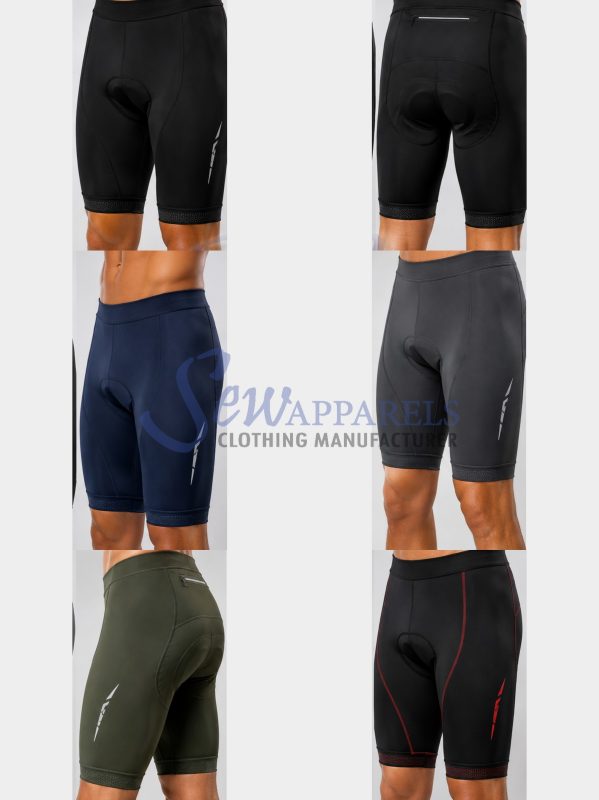
This guide sets out six records for checking the proposed component. It separates pad identity, sourcing, sample approval and marketing artwork so one document is not treated as proof of everything. It does not claim that Sew Apparels supplies a particular pad brand, has a brand partnership or holds permission for an unreviewed project.
What cycling shorts branded chamois verification covers
A branded chamois is a component identified with a supplier’s brand, but the brand name alone does not identify every model or version. The buyer should know which pad is specified for which garment. Keep that identity separate from comfort, durability and ride-duration claims, which require their own relevant evidence.
Chamois authenticity evidence should support the actual purchase, not just refer to a brand’s reputation. Build a record that links the specification, supplier documents and receipt inspection. If information conflicts, resolve the difference before presenting the finished garment as containing the approved component.
1. Write an exact pad model order specification
The pad model order specification should state the proposed brand, model or component code, version, relevant size and any approved custom details. Include the garment style revision it belongs to. A purchase line that says branded cycling pad leaves too much room for misunderstanding about the component being ordered.
For cycling shorts branded chamois verification, ask the supplier to confirm the identity in writing before sampling or purchasing. If a custom model has a separate reference, preserve that reference alongside the agreed description. Do not silently substitute a catalogue model because its shape or colour looks similar.
Pad supplier component identity should connect the technical information to the exact proposed pad. Identify which data sheet or drawing is current for the order. General brand brochures can provide context, but they do not replace model-specific confirmation. Keep document dates and revisions visible so old information is not mistaken for the approved version.
Record what the specification excludes as well as what it includes. A particular technology, layer system or branded hang tag should not be implied merely because it appears elsewhere in the supplier’s range. Ask for confirmation where the buyer’s brief depends on a specific feature. The order should describe the actual component, not the entire brand catalogue.
2. Confirm the source and preserve the purchase trail
Cycling pad authorised source review should identify the seller and the basis on which it supplies the proposed component. Ask for clarification through the pad brand’s appropriate official channel when the source or documents are uncertain. Do not assume that a seller is authorised because it displays a logo on its own website.
When performing cycling shorts branded chamois verification, retain the relevant quotation, purchase order and supplier confirmation. Connect them by the agreed component reference. If the documentation uses different codes, request an explanation rather than treating them as interchangeable without evidence.
Branded pad invoice traceability should link the invoice and delivery information to the order and received quantity. Preserve batch or lot information where it is supplied. An invoice is useful purchasing evidence, but it should not be treated as conclusive proof of authenticity when other identification details conflict.
Keep the supply route readable without publishing private commercial records. Buyers and manufacturers can maintain the necessary documents in the project archive. The public product page only needs accurate component wording that the record supports; it does not need to expose invoices, contact details or confidential purchasing terms.
3. Approve the chamois version and reference sample
Chamois version approval should name the pad revision accepted for the garment. Compare the relevant shape, size and model information with the agreed specification. Where the supplier confirms a change, record its effect and obtain the required project approval. A new version should not inherit an earlier approval automatically.
For cycling shorts branded chamois verification, maintain a reference that connects the component to the assembled sample. Check pad placement and attachment in the short separately from the pad’s identity. The correct pad can still be assembled incorrectly, and an attractive garment does not prove that the component matches the purchase specification.
A branded chamois sample archive should preserve the approved sample or a suitably documented reference, with its relevant component and garment revision. Identify who approved it and which order it represents. Avoid using an old display sample as the comparison standard for a revised pad without checking its relationship to the current specification.
The branded chamois model verification record should distinguish an initial proposal from the approved version. If multiple candidates were sampled, label them clearly. This helps purchasing and production avoid ordering a rejected alternative because it remains in the same sample folder or quotation email.
4. Match the received pad to the approved record
Received chamois reference match should compare the delivered component and accompanying information with the approved order. Check relevant references, supplied labels, dimensions or distinguishing construction information identified by the brand. Record discrepancies without inventing a universal visual authentication test for every pad supplier.
Elastic Interface’s pad recognition article discusses its tags, labels and embossed pad identification. It is an example of brand-specific guidance, published in 2018. Confirm current identification requirements for the actual model with the brand; do not assume that an older article describes every current or custom component.
For cycling shorts branded chamois verification, use visual identification together with the purchasing record. A mark can be useful evidence, but the buyer should still know the model and source. This guide does not claim that a logo is impossible to reproduce or that visual appearance alone resolves an uncertain supply chain.
If the component does not match, keep the discrepancy visible and obtain clarification before using it in the approved order. Do not relabel a different pad to make the documents appear consistent. Record the decision and the affected quantity so the team can distinguish an accepted revision from an unresolved delivery issue.
5. Confirm the scope of branding and marketing use
Cycling short pad brand permission should be reviewed for the actual proposed use. Ask the brand or appropriate rights holder for its current requirements for product labels, hang tags, packaging and online descriptions. Purchasing a component and approving marketing artwork are separate project records.
For cycling shorts branded chamois verification, pad branding marketing rights should not be inferred from an unrelated supplier document. Keep any permission or guidance connected to the brand, product and use it covers. Where legal interpretation is required, obtain qualified advice for the relevant market rather than treating this operational checklist as a legal conclusion.
Elastic Interface’s brand application manual distinguishes logo application, packaging and communication channels. It illustrates why artwork instructions need their own review. A publicly available manual is not, by itself, confirmation of a particular project’s sourcing, partnership or permission.
Pad trademark approval scope should identify the relevant artwork or wording and any conditions confirmed for the project. Keep the pad brand distinct from the garment brand. Avoid language implying that the component supplier manufactures, endorses or certifies the complete short unless that statement is specifically supported.
Check the final product description against the exact pad ordered. A general description of a technology should not imply that it exists in every model. Ask for review when the marketing team changes technical wording, and retain the approved version beside the component record. Accurate branding needs both correct identity and appropriate presentation.
6. Control substitutes and close the verification record
Cycling pad substitute authorisation should identify the proposed replacement, reason and required approvals before it is used. Compare the technical and commercial implications rather than treating a similar appearance as equivalence. A substitute may change the garment’s evidence and the branding that can accurately describe it.
Before closing cycling shorts branded chamois verification, review exact pad purchase verification across the specification, source, sample and delivery records. Confirm that the assembled garment uses the component represented by the approved description. Keep unresolved differences out of the release decision instead of marking the order verified because most paperwork is present.
A cycling component brand record should also state how later changes are reviewed. Another model, revised supplier reference or altered packaging can affect the approval. Preserve the earlier records so the team can trace what was accepted for each order rather than overwriting the history with the newest document.
A practical six-record review
Keep the evidence in a compact project file that purchasing, production and marketing can read. The purpose is not to create unnecessary paperwork; it is to connect the product the buyer intends to sell with the component actually supplied. The following records organise that connection.
- Specification: brand, exact pad reference, version, size and garment revision.
- Source: seller information, relevant confirmation and clarification route.
- Purchase: quotation, order, invoice and delivery reference.
- Sample: approved component and assembled-garment reference.
- Receipt: comparison result, quantity and any resolved discrepancy.
- Branding: current requirements, approved wording or artwork and change control.
For cycling shorts branded chamois verification, a missing or inconsistent record should lead to a specific question. Ask which reference is correct, whether the delivered version was approved or whether the proposed wording covers the actual pad. This is more useful than replacing uncertainty with a broad authentic or premium claim.
Record the completion decision with the evidence reviewed and any limited scope. A component identity check does not establish its riding comfort, and a marketing approval does not establish its laboratory performance. Keep those decisions separate so later teams do not use one approval as a substitute for another.
Build the manufacturing request around the exact pad
For custom cycling shorts manufacturing, provide the proposed pad reference, approved sourcing route and relevant branding requirements. Private label cycling shorts production benefits from an exact component brief before sample and bulk decisions. Discuss availability and development quantities directly; no particular pad brand or authorised relationship is promised here.
The existing Cycling Shorts Buying Guides connects related pad selection and construction decisions with the manufacturing page. Store the verification record beside the technical pack and approved sample so the next order can follow the same component identity.
Frequently asked questions
Does a branded label identify the exact pad model?
Not necessarily. Confirm the model, version and source with the relevant records rather than treating the brand name as a complete specification.
Can a similar-looking pad be substituted?
Use the agreed approval process first. A different component can affect construction, evidence and the description of the finished garment.
What should be verified before release?
Cycling shorts branded chamois verification should connect the exact ordered component to the received and assembled pad, with appropriate branding records. Resolve material differences before approving the finished-product statement.
Keep identity verification separate from the pad density and comfort evidence review; an authentic component still needs evidence appropriate to the finished garment and proposed claim.