
A cycling shorts UPF under stretch review should begin with the exact fabric, garment fit and proposed claim. A report for an unstretched swatch does not automatically describe the same material pulled across a rider’s thigh or seat. Buyers need a traceable connection between the laboratory specimen, production material, worn condition and wording that will appear on the finished product.
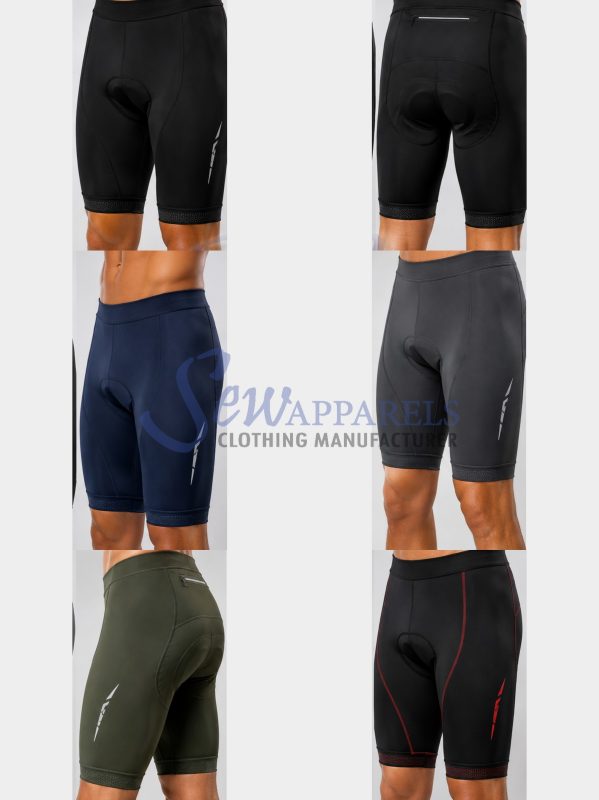
For custom cycling shorts manufacturing, treat ultraviolet protection as an evidence-controlled specification rather than a decoration added to a hangtag. This guide gives sourcing teams six practical checks before they approve a material, label or purchase order. It does not assign a UPF rating to Sew Apparels products, prescribe a universal strain percentage or replace a qualified laboratory’s advice.
Why Cycling Shorts UPF Under Stretch Needs a Separate Review
Close-fitting cycling garments can place different demands on the front thigh, side panel, seat and leg opening. The material state matters, but so does the area of skin that the garment actually covers. A fabric result, a product classification and a consumer statement are related decisions; they should remain separately documented in the approval file.
Use cycling shorts UPF under stretch as a development question with a defined answer route. Ask which material was evaluated, how its state was recorded, which conditions the report covers and who approved the final claim. Avoid turning an attractive supplier number into an unrestricted promise before these questions have been resolved.
1. Connect the UV Report to the Exact Sample
Start with cycling shorts UV sample identity. Record the supplier, material code, composition, construction, finish, colour, lot and sampling date. Match these details to the report identifier and the production-intent garment. A report labelled only “black stretch fabric” gives the buyer too little information to establish whether the proposed bulk material is the specimen that was measured.
Separate the cycling textile UV report scope from the commercial product description. Check whether the laboratory examined fabric, a garment component or a finished item, and whether the reported result belongs to a specific condition. Obtain clarification for missing identifiers, unclear preparation or an unfamiliar calculation. Keep the signed report and approved sample together in the technical file.
The official AATCC TM183(2020)e scope describes measurement of ultraviolet transmission or blocking through textile fabric, with dry or wet specimens. Its public description also directs product labelling to a separate guide. That distinction helps buyers avoid treating a fabric measurement method as automatic approval of every garment design, stretch state or marketing sentence.
2. Define the Stretch Condition Before Testing
For cycling shorts UPF under stretch, specify the cycling short material stretch state rather than writing “test stretched” on the laboratory request. Identify the panel, fabric direction and garment size associated with the question. Discuss how to measure representative extension from a production-intent sample and how the laboratory can hold and report the specimen during evaluation.
A cycling fabric UPF strain condition should be reproducible. Record the initial reference dimensions, measurement landmarks, direction of extension and selected state. State whether the review concerns one direction or combined deformation. Ask the laboratory to distinguish a standard method result from any agreed supplemental condition, including limitations on comparison with other reports.
The stretch condition laboratory brief should explain the intended fit and use without inventing a test procedure. Have the laboratory confirm specimen preparation, mounting, conditioning and reporting requirements. A stretched cycling short UV test is useful only when its conditions are transparent. An undocumented hand-pulled swatch cannot establish a defensible production specification or a universal worn-garment rating.
3. Keep Dry and Wet Evidence Distinct
A wet cycling fabric sun claim requires an explicit evidence decision. Identify whether the proposed wording refers to a dry garment, a wet condition or both. Ask the laboratory which preparation and moisture state it evaluated. Do not assume that a dry result covers perspiration, rain or every degree of wetness during use.
Build a small condition matrix before commissioning samples: material identity, colour, selected stretch state, dry or wet status and preparation route. Let the laboratory advise which combinations answer the buyer’s claim. Record exclusions alongside results so the marketing team can see where supporting evidence ends, rather than selecting the strongest number without its test conditions.
A cycling shorts UPF under stretch review should also keep fit observations separate from UV measurements. A riding-position trial can reveal panel movement or uncovered areas; it does not produce a UPF number. Likewise, a laboratory fabric report does not prove that the garment remains in place for every rider, size or posture.
4. Check Colour, Printing and Care Changes
Develop cycling short UV colourway evidence around the actual collection. List each colour and relevant print or finish variant, then ask the qualified laboratory which sampling approach is justified. Do not transfer an approved result to a lighter colour, revised dye recipe or decorated panel solely because the base fabric name remains the same.
Cycling UPF after care needs defined preparation. Agree the washing and drying route, cycle count and any other conditioning required for the intended claim. Link the tested sample to its care history. Keep fresh and prepared samples distinguishable, and avoid a lifetime statement when the evidence addresses only the recorded preparation and tested material.
Plan a cycling colour change retest review when material, colour, print, finish or supplier changes. The responsible technical reviewer should decide which existing evidence remains applicable and which conditions require new work. Record that decision before release. A minor visual change in a collection can still create an unanswered evidence question.
5. Review Worn Coverage and the Claim Boundary
For cycling shorts UPF under stretch, map fitted cycling garment coverage in the intended riding posture. Record garment size, rider measurements, inseam and the positions used for the fit review. Examine the leg opening, waistband, panel edges and any mesh or contrasting components. Distinguish covered areas from skin exposed by the garment design or movement.
The ARPANSA guidance for Australian sun-protective clothing explains that protection relates to covered skin and can be reduced by wetness, stretching, wear or chemicals. It also describes garment-specific coverage and labelling considerations. ARPANSA’s material test reports do not evaluate product design or body coverage. Buyers should therefore seek market-specific advice before applying a material rating to a cycling-shorts product claim.
The sun claim fabric versus garment distinction belongs in the approval record. State exactly what has been evaluated and what remains outside the evidence. Do not imply that shorts protect uncovered legs or provide complete sun protection. Avoid medical, injury-prevention or guaranteed exposure-duration language that the product file cannot support.
6. Approve the Label and Control Later Revisions
A cycling UPF label review should connect every proposed statement to its report, sample identity, condition and target market. Ask a qualified technical or compliance reviewer to assess the applicable labelling framework and required qualifications. A rating copied from an unrelated supplier document is not a substitute for a traceable review of this product.
For cycling shorts UPF under stretch, record cycling protection wording approval separately from fabric purchasing approval. Name the approved wording version, responsible reviewer and supporting documents. Keep any authorised certification mark or licensing question separate as well; a laboratory report does not itself establish permission to display another organisation’s logo or trade mark.
Maintain a cycling UV claim evidence gaps list until each item has a documented resolution. Possible gaps include a missing lot identifier, untested colour, unclear stretch state, unsupported wet claim or unresolved garment classification. An unresolved statement should remain outside the published claim. Do not disguise a gap with softer promotional language that still implies unverified protection.
A Practical Buyer Approval File
Build one concise file that another team member can follow without a verbal explanation. Include the controlled fabric specification, garment drawing, sample identifiers, laboratory request, report and reviewed claim. Add photographs or marked drawings to your internal development records where useful, while keeping the published article focused on the decision process.
- Material: supplier, code, lot, colour, finish and panel assignment.
- Condition: selected extension, direction, moisture status and preparation.
- Evidence: report identifier, scope, tested specimen and reviewer clarification.
- Coverage: size, fit references, riding posture and excluded components.
- Wording: target market, approved statement and documented limitations.
- Changes: revision trigger, reassessment owner and release decision.
For example, a buyer may receive a dry fabric report while planning a statement about wet, fitted use. The correct next step is to identify the missing condition and obtain qualified advice on suitable evidence. Relabelling the existing report “cycling tested” would leave the gap unresolved. This example describes an approval decision, not a claimed test result.
Questions to Resolve Before a Purchase Order
Can one result cover every size?
Do not assume it does. Review how the garment specification and selected material states relate to the size range. Ask the technical reviewer whether the sampling plan addresses the proposed claim. Fit grading and laboratory reporting should remain linked through documented references, without claiming that a single garment trial represents all bodies.
Does a high fabric rating settle the entire claim?
No. A material result needs its conditions and scope, and the finished design still needs an appropriate coverage and labelling review. The intended market may impose requirements beyond the fabric measurement. Obtain qualified confirmation instead of combining fragments from different standards into an unsupported product approval.
What if the supplier changes after sampling?
Reopen the affected evidence review. Identify the replacement specification and whether earlier documents apply. Require a written decision on testing and wording before accepting the change. Preserve both versions so production and marketing teams can distinguish the approved material from an alternative still under assessment.
Prepare a Traceable Manufacturing Brief
A cycling shorts UPF under stretch brief should give development teams an achievable evidence plan. Share the intended market, fit, colours, panels, quantity and proposed wording early. For private label cycling shorts production, agree who commissions tests, receives reports and approves claims. Confirm feasibility and costs with the relevant parties instead of assuming testing or certification is included.
Use the cycling shorts manufacturing page to prepare your product enquiry, and the Cycling Shorts Buying Guides to connect the UV review with pad, seam, fit and material decisions. Keep one controlled specification so a change in construction prompts the right evidence review.
Finish the cycling shorts UPF under stretch review with a written release decision: the approved material, evaluated conditions, supported wording and reassessment triggers. Clear limits make the specification more useful. They allow sourcing, production and marketing teams to work from the same evidence without promising protection beyond what the exact product file establishes.
Keep the seat abrasion evidence review separate from UV testing. Wear history may trigger reassessment, but an abrasion result does not supply a UPF value.