
Cycling shorts saddle contact abrasion review should connect the seat material, saddle surface and observed damage before a buyer approves a durability statement. A fabric test result is useful evidence, but it does not describe every saddle, riding position or garment construction. Review the actual contact system rather than treating a cycle count as a promised riding distance.
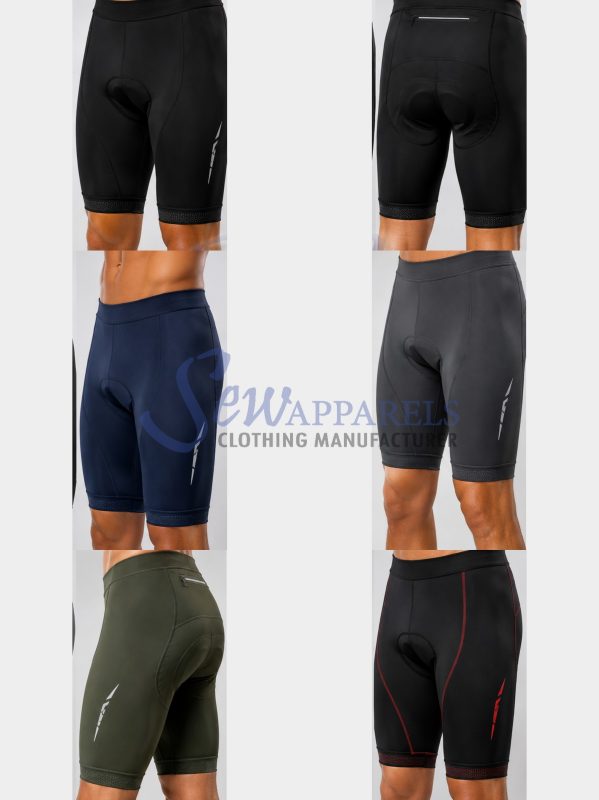
This guide sets out six checks for evaluating seat-area wear evidence. It separates fabric abrasion, print wear and seam damage, and keeps laboratory results distinct from real-use observations. The framework does not establish a universal pass threshold, guarantee a number of kilometres or claim that a sample has been tested when no report is available.
Define cycling shorts saddle contact abrasion review
Cycling shorts seat fabric abrasion concerns wear associated with rubbing at the relevant contact surface. Start by describing the visible change: fuzzing, thinning, a worn print, broken yarns or local seam damage are different observations. Do not use the word abrasion as a complete explanation of every defect found around the seat.
Cycling bib short seat durability evidence should identify the garment and use context represented. A laboratory specimen, a new riding sample and a returned used garment provide different information. Keep their records separate so a result from one stage does not silently become proof of the complete short’s lifetime.
1. Describe the saddle surface and intended use
For cycling shorts saddle abrasion, saddle surface definition should include the relevant saddle model, cover condition and any contact details important to the evaluation. Record whether the surface is new, worn or visibly damaged. A trial with one saddle does not establish compatibility with every saddle cover or shape.
When undertaking cycling shorts saddle contact abrasion review, identify the intended riding use and garment fit. Record the size and revision, relevant saddle setup and observation period. Keep this context with the sample so the team can interpret a wear patch without reconstructing the conditions from memory.
Cycling short saddle surface compatibility should be treated as a product-specific question. Inspect relevant edges, joins or surface features before a trial. Do not intentionally use a damaged contact surface to produce a dramatic result and then present it as ordinary use. If unusual conditions are investigated, label them clearly.
Keep material selection and bicycle setup responsibilities visible. A garment review should not pretend to diagnose every riding-fit issue from a photograph. The development team can document what it observes and seek appropriate specialist input where needed. That preserves a useful record without claiming unsupported causes.
2. Map the seat contact zones before testing
Seat contact zone mapping should identify where the garment meets the saddle in the relevant posture. Record the relationship to panels, seams and decoration. A flat fabric swatch does not include the completed short’s placement or construction, so the sample context matters.
For cycling shorts saddle contact abrasion review, inspect the starting condition of the seat area. Note existing surface irregularities or sample alterations before the trial. Keep a clear reference for later comparison. Otherwise a pre-existing mark can be mistaken for damage caused by the evaluated use.
Cycling shorts wear patch analysis should describe location, shape and the affected material layer. Determine whether the visible change lies on a plain panel, print or seam area. Record the observation before deciding on a corrective action. A location map can help the technical team compare the damage with the garment construction and contact conditions.
If both sides or several sizes are evaluated, identify each sample separately. An average summary can hide a local failure near one seam. Keep the actual observations traceable while explaining how representative they are of the proposed product range. Do not describe a single middle-size sample as evidence for every size.
3. Choose a suitable laboratory evaluation
Lab abrasion method suitability should be discussed with a qualified laboratory. Specify the material and the question the result needs to answer. Ask how the specimen, contact face and reported endpoint relate to the proposed seat fabric. Do not choose a standard solely because its name includes abrasion.
ISO 12947-2 describes specimen breakdown in Martindale abrasion evaluation. Its stated scope excludes coated and laminated fabrics. A laboratory should confirm a suitable method for the actual material; a published standard does not certify a finished cycling short or establish compatibility with a particular saddle.
For cycling shorts saddle contact abrasion review, retain the report with material identity, specimen condition, method and result. The buyer should know whether the evidence concerns the seat fabric alone or another assembly. A report for a different fabric revision should not be treated as current approval without review.
Abrasion cycles interpretation needs the test context. ASTM D4966-22(2026)’s published guidance explains that laboratory abrasion is one contributor to actual wear and cautions against predicting use life without evidence of the relevant relationship. Read a reported cycle count as a result under its method, not a ready-made kilometre guarantee. Its poor between-laboratory precision also makes it unsuitable as the sole basis for accepting commercial fabric shipments.
If offers use different methods or endpoints, request clarification before ranking the results. Small differences should not become exaggerated durability claims. Where commercial acceptance criteria are proposed, agree an appropriate evaluation with the specialist and buyer, including method limitations, instead of treating a generic laboratory number as an automatic release rule.
4. Inspect print and seam contact damage separately
Seat print wear inspection should identify the decoration type and its position. A faded or worn print may be unacceptable to the buyer even when the underlying fabric remains intact. Conversely, an intact print does not prove that the fabric underneath has retained all relevant properties. Record each observation on its own basis.
In cycling shorts saddle contact abrasion review, inspect seam contact damage at the relevant joins. Note thread breakage, seam opening, local bulk or fabric wear beside the seam. These observations may need a construction investigation alongside material review. Do not assume a fabric substitution will resolve a local seam problem.
Compare decorated and undecorated samples only when that comparison answers the development question. Keep the material, construction and trial conditions sufficiently clear to interpret differences. If several features change together, acknowledge that the result does not isolate the cause. A stronger appearance after one short trial should not be advertised as permanent print durability.
Retain the damaged reference or a suitable internal record before altering the sample. Repairs can obscure the location and character of the original issue. The quality team can maintain internal photographs and sample records that support the investigation; a general product reference does not replace those inspection records.
5. Compare new, care-exposed and real-use evidence
Fresh versus washed seat fabric comparison should identify the care history. Record the agreed washing and drying procedure and how samples are prepared for the evaluation. Keep new and care-exposed results labelled rather than combining them into one unexplained figure.
For cycling shorts saddle contact abrasion review, inspect the relevant garment after the planned exposure and compare it with the starting record. A care-related change can be relevant without proving the cause of a later wear patch. The technical team needs both the material history and the observed contact conditions to assess the result.
Real wear mechanism comparison should ask whether the laboratory and use observations concern comparable damage. A test endpoint based on fabric breakdown is not identical to an early cosmetic print change. Do not merge unlike endpoints to claim agreement between a laboratory report and a returned garment.
The kilometre claim evidence gap should remain visible. Riding distance alone omits many relevant differences in use. This guide does not offer a formula for converting abrasion cycles to kilometres. If a distance-related statement is desired, identify the specific supporting evidence needed before making the claim.
Record limitations in the use observations. Another saddle, rider, size, care sequence or damaged surface can affect interpretation. A returned garment may provide valuable information without supporting a universal conclusion. Keep the report precise enough to inform a revision rather than blaming the material from one unexplained case.
6. Approve the seat material with a traceable scope
Seat material approval should name the material and garment revision, relevant evidence and accepted limitations. Connect the decision to the intended use. Do not approve all possible saddle contact conditions from a single fabric result or a short development session.
Before closing cycling shorts saddle contact abrasion review, compare the observations with the agreed product requirement. Decide whether a material, panel, seam or decoration change needs another trial. Keep the original evidence and revised sample distinct so the team can understand what changed and why.
A saddle contact use record should define the conditions represented and how subsequent changes are reviewed. Another fabric finish or relocated seam may affect the decision. Preserve the approved scope with the technical pack instead of treating seat durability as a permanent attribute that survives every product revision.
A practical wear evidence file
Use a file that separates material testing from completed-garment observations. This helps purchasing and product development understand the evidence behind the selection without turning one result into a broader performance promise. The following fields provide a useful review structure.
- Product: garment revision, size, seat fabric and relevant decoration.
- Contact: saddle identity, surface condition and mapped zones.
- Starting record: panel, seam and print appearance before exposure.
- Laboratory: suitable method, specimen scope, result and endpoint.
- Use: represented riding conditions, history and observed damage.
- Care: new or care-exposed condition and comparison limitations.
- Decision: agreed requirement, selected material and corrective trials.
- Claim: wording supported and any evidence still required.
For cycling shorts saddle contact abrasion review, the buyer should receive a decision that explains what the evidence covers. A material can be selected for a defined brief without being described as indestructible or guaranteed for every riding distance. Accurate scope makes later quality discussion more constructive.
If a supplier proposes a replacement fabric, revisit the relevant evidence rather than accepting a similar visual appearance as equivalence. Keep the new reference with its test and garment observations. This protects the connection between the approved seat construction and the actual material purchased for production.
Prepare a cycling-short manufacturing brief
For custom cycling shorts manufacturing, provide the intended seat material, panel layout, decoration and relevant riding context. Private label cycling shorts production benefits from agreed evidence requirements before bulk approval. Discuss sampling and material availability directly; this guide does not promise a laboratory capability, abrasion rating or minimum order.
The existing Cycling Shorts Buying Guides connects related construction and pad decisions with the manufacturing page. Store the seat-wear evidence alongside the approved technical pack so a later revision can be assessed against the same intended product.
Frequently asked questions
Can Martindale cycles be converted directly into riding kilometres?
No universal conversion is established here. The laboratory result needs its method context, and a distance claim requires relevant evidence for the intended use.
Does print wear prove the fabric has failed?
Not necessarily. Inspect decoration, fabric and seam condition separately, then investigate the observed damage with the relevant history.
What should the final approval retain?
Cycling shorts saddle contact abrasion review should retain material identity, contact conditions, test scope and garment observations. Keep the release decision and claim limitations traceable.
Keep internal comfort findings in the separate pad evidence review; seat-fabric abrasion and pad comfort answer different questions.