
SEW APPARELS · BUYER RESOURCES
Kids Cap Buying Guides
Kids cap buying guides help brands turn an age-range idea into a clear development brief. Head circumference, crown depth, visor proportion and closure range should be reviewed together before selecting a final sample. A smaller outside appearance does not explain how the cap will sit or how much adjustment remains available. This resource brings the key decisions into one place for children's labels, school programmes and private label collections. Start with the proportioning guide below, then use the sections on materials, decoration, order quantities and sample approval to organise the information your supplier needs before production.
Our kids cap buying guides support product planning alongside the custom kids cap manufacturing page, where current production options and commercial details are presented. Use the manufacturing page for an initial sourcing discussion and this guide to prepare technical questions. Record the intended age range, destination market, quantity by colour and the features that matter most to your collection. The resulting brief should connect the design reference with measurable dimensions and an approved sample, so later changes to fabric, trims or branding can be reviewed against the same agreed requirements rather than personal assumptions.
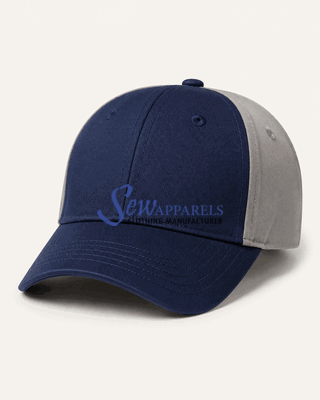
Start with youth cap proportioning
Compare head circumference, crown depth and visor length through seven practical checks, an annotated construction example and a buyer decision table.
Read youth proportioning guideStart with adjustable closure choices
Compare snapback, hook-and-loop and other adjustable closures for age-appropriate fit, comfort and repeatable sizing. Confirm the chosen range on a physical sample before bulk approval.
Read adjustable closure guideReview kids cap decorative trim retention
Inventory appliqués, pompoms and other decorative pieces, review foreseeable handling, agree suitable laboratory evidence and lock approved attachments into the bill of materials.
Read decorative trim guideMap kids cap lead-testing evidence
Identify accessible fabrics, coatings and hardware, connect each supplier component to valid laboratory evidence, and control material or colour changes before US release.
Read lead evidence mapControl licensed kids cap artwork
Confirm rights-holder authority, product and territory scope, controlled artwork versions, approved sample evidence and repeat-order validity before production.
Read artwork approval guideConnect kids cap labels with production records
Connect permanent cap markings, batch identifiers, production dates and factory records, then check packaging and retrieval before releasing the order.
Read tracking label guide1. Develop the intended size and crown profile
Start kids cap buying guides with a defined wearer range and a consistent measurement method. Age labels can help organise a collection, but they should be supported by head measurements and fitting samples. Nike's kids headwear chart identifies its chart values as body measurements and explains where to position the tape. That distinction matters when a buyer writes a specification: a head measurement and a finished cap measurement are different records. Agree how your supplier will measure the cap, then record the closure setting and sample condition used for each comparison.
Crown depth and visor projection help determine how a cap appears and sits when the circumference is appropriate. Check the front, side and rear views without forcing the crown onto an unsuitable display form. A deeper crown can look different from a shallow profile even when both use the same labelled size. Kids cap buying guides encourage buyers to identify measurement start points, the position of the sweatband and the intended visor curve. Keep these details on the technical drawing and review the complete sample before approving a proportion change for the next stage of development.
2. Coordinate materials, sweatbands and closures
Select the outer fabric around the intended season, appearance and decoration method. The manufacturing range includes cotton twill, brushed cotton, lightweight polyester, soft canvas, mesh and selected performance or recycled materials, subject to specification and availability. Compare weight and hand feel using physical references instead of assuming every fabric with the same name will behave alike. Kids cap buying guides also recommend identifying the front support, lining, seam tape and sweatband separately. This component record helps the supplier assess whether the proposed construction matches the desired shape and whether a substitution requires another sample review.
Review the closure range together with the rear opening and the inside band. Hook-and-loop, elastic, snap and fabric-strap systems involve different adjustment details; the appropriate choice depends on the intended product, wearer range and buyer requirements. Ask how excess strap length is managed and whether a join, trim or folded edge contacts the wearer. Kids cap buying guides keep these practical questions connected with fitting comments. Record the approved closure setting during measurement, and avoid using the maximum possible adjustment as evidence that the crown and visor proportions suit every head within that same range.
3. Scale branding to the smaller cap panels
Logo size should be reviewed on the actual youth crown, with the selected fabric and support in place. Artwork that looks balanced on an adult cap may occupy too much of a smaller front panel or extend too close to a seam. Compare embroidery, printed decoration and patch options against the detail in the supplied design. Kids cap buying guides help buyers document finished decoration width, height and placement from a visible reference point. Ask for a sample that shows the proposed backing and interior finish as well as the outward appearance before approving repeat production.
Coordinate the label, care information and packaging with the intended size range and destination market. Keep buyer-supplied artwork approvals and material references organised so the factory can match the approved version. Kids cap buying guides do not replace a market-specific compliance review, and a comfortable sample alone does not establish regulatory conformity. For proportion planning, New Era's cap size guide illustrates how a brand distinguishes infant, toddler, child and youth offerings rather than treating children's headwear as one universal size. Use the relevant brand chart only for that brand's products, not as a mandatory specification for your own collection.
4. Low MOQ kids cap manufacturer options
When comparing a low MOQ kids cap manufacturer, clarify which materials support the smaller order route. Sew Apparels currently lists 576 pieces with matching export-quality stock fabric, or 5,184 pieces with custom fabric, per colour and style on the main product page. These are planning references for a quotation discussion, rather than permission to assume every custom option is available at the lower quantity. Kids cap buying guides help buyers connect material selection with the colour breakdown, size assortment, decoration and trims so the supplier can confirm a workable programme before the order is agreed.
A small MOQ kids cap manufacturer discussion is more useful when the brief distinguishes essential design details from optional variations. A startup collection may be easier to develop with a focused colour range and an available fabric that meets the intended appearance. Confirm the proposed size mix, packaging, logo process and sampling requirements before comparing quotations. Kids cap buying guides recommend recording what is included and what depends on a separate approval. Minimum quantities, material availability and development terms should be reconfirmed for the actual specification instead of relying on a generic promise of flexibility for every order.
5. Development support for startup brands
Sew Apparels gives priority to clear development support for startup brands preparing a first kids cap collection. A new brand can begin the discussion with a design reference, proposed size range, artwork and an estimated quantity by colour. The next step is to identify the material, fit and finishing decisions that need sampling before production. Kids cap buying guides help founders organise these questions in a practical order and retain a record of the approved result. Discuss sampling fees, revision scope, lead times and commercial terms directly; startup support does not imply free development or automatic acceptance of every quantity.
6. Prepare sample approval and production handover
Use the approved cap, measurement sheet, component list and written comments as one handover package. The product page lists sampling at 10–15 days and production at 15–30 days at MOQ after pre-production approval, with timing dependent on quantity; confirm the schedule for your programme. Kids cap buying guides encourage checking circumference, crown depth, visor symmetry, sweatband attachment, closure function and decoration before release. Keep destination-specific testing requirements separate and explicit where applicable. If a material or construction changes after approval, agree which checks must be repeated and update the reference documents before the revised version enters production.
Turn your kids cap decisions into a product brief
Share your intended size range, cap reference, quantity by colour, logo artwork and sample requirements to begin a focused development discussion.
Explore kids cap manufacturing