
A snapback cap cold weather closure review helps a buyer decide whether the selected adjustment hardware has evidence for its intended winter use. A closure that works comfortably in a warm sample room may need a different assessment when the cap has been stored outdoors, handled with gloves or adjusted while cold. The useful question is whether the actual production component remains functional under the agreed conditions, rather than whether plastic closures are generally described as durable.
Keep this review separate from warmth, waterproofing and protective headwear claims. A working adjustment strap does not establish thermal comfort or certify the whole cap for severe weather. Start with the intended wearer, destination and use scenario, then request a controlled comparison of identified components. This creates a clear approval record for sourcing teams without inventing a universal minimum temperature.
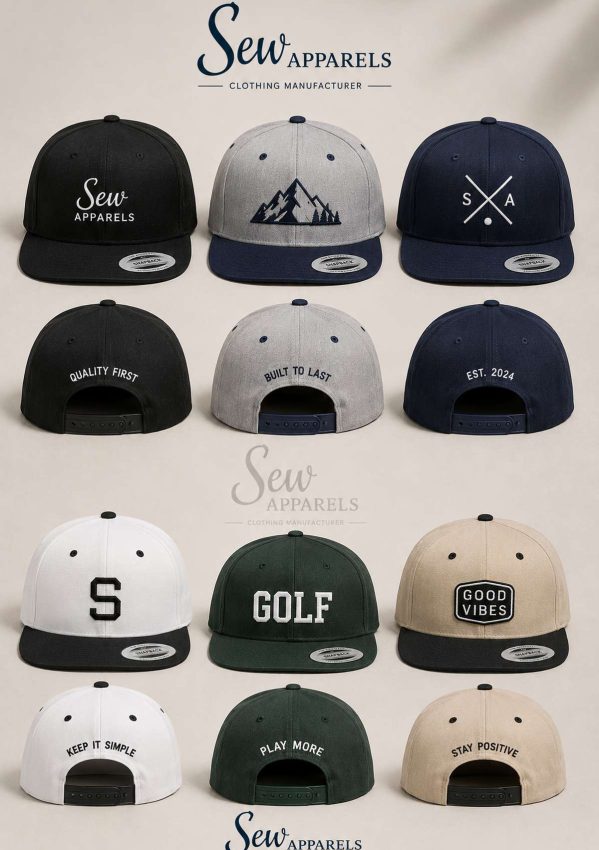
Snapback cap cold weather closure review: 6 critical questions
- Which exact closure material, geometry and production version will be supplied?
- What cold exposure and adjustment scenario does the buyer expect?
- How will conditioning and operation be recorded consistently?
- What damage and functional changes count as rejection?
- Does the evidence cover the assembled cap and its fit positions?
- What changes require a new assessment before bulk production?
1. Identify the closure before comparing performance
Record the supplier reference, colour, resin declaration, adjustment-hole layout and dimensions for both mating parts. Include the attachment method and the production sample revision. Similar-looking straps can differ in composition or moulded geometry, so a photograph alone does not establish equivalence. Request information that links the material declaration to the component actually fitted to the cap.
The cold closure material declaration should identify what is known and what still requires confirmation. Avoid treating a generic resin name as a finished-product performance guarantee. Pigment, processing and component design may also matter. Where a supplier cannot provide the requested evidence, record that limitation and agree on a practical assessment before making a customer-facing temperature claim.
Review the normal adjustment positions using the established snapback cap buying guides. A winter trial should include representative fit settings rather than just the easiest engagement position. Document the overlap and number of engaged points so the cold-conditioned sample can be compared with a clearly defined room-condition baseline.
2. Define cold exposure using the intended application
A snapback cap cold weather closure review needs a written use scenario. Distinguish a short walk in cool weather from extended outdoor storage followed by adjustment. Specify whether the wearer changes fit while wearing gloves, whether the closure is expected to be wet and whether the cap will move repeatedly between indoor and outdoor environments. These are different situations, not interchangeable versions of one test.
For cold conditioned snap closure assessment, ask the laboratory or competent test partner to help set the conditions. The temperature, exposure period, sample quantity and handling sequence should be agreed before testing. Do not choose a dramatic temperature merely to make a marketing statement. The conditions must reflect the intended application and the scope of any proposed claim.
Make the snapback winter use brief understandable to production and purchasing teams. Include the target market, user activity and foreseeable handling. Record whether the request is a comparative development exercise or formal verification against a specified requirement. That distinction prevents a small exploratory trial from being presented later as comprehensive certification.
3. Separate material evidence from finished-cap evidence
Material data can guide component selection, but it does not automatically describe an assembled closure. The public scope of ASTM D746 on impact brittleness of plastics and elastomers concerns behaviour under defined impact conditions. Its published guidance limits prediction to comparable deformation conditions. A reported result is therefore not a universal operating temperature for every cap fastener made from a related material.
Use closure low temperature evidence to ask better questions: which specimen was tested, how was it prepared and does it represent the purchased component? Request the method reference, report date and identification of the material or component. A supplier chart without traceable sample information is weaker evidence than a report that clearly identifies the tested version.
For cap closure environmental testing, agree on a finished-cap functional trial as well. This may be a buyer-defined development protocol rather than a standardised certification test. Clearly label it that way. The snapback cap cold weather closure review should explain how material evidence and assembly observations inform the decision while acknowledging the limits of each.
4. Record operation while the closure is cold
Observe opening, alignment and engagement at the agreed fit positions. Keep handling comparable between samples. Record whether the operator uses bare hands or gloves and whether the cap is supported in a fixture or handled normally. Cold weather snap operation becomes difficult to compare when one sample warms indoors while another is evaluated immediately after conditioning.
Record elapsed time between removal from the conditioning environment and each observation. The testing partner should define a practical procedure that preserves the intended condition and avoids unsafe handling. Do not add force simply because engagement feels difficult. An operation that requires abnormal bending or excessive effort should be documented as a functional concern.
Include a room-condition comparison using the same procedure. A conditioned closure comparison can distinguish an existing fit problem from a change associated with the cold trial. Note incomplete engagement, unintended release, awkward alignment and differences between adjustment positions. Descriptive observations are more useful than a single statement that every sample passed.
5. Inspect damage and recovery without hiding failures
Look for cracks, permanent deformation, damaged engagement points and any loss of normal retention. Plastic cap closure brittleness is a development concern to investigate with appropriate evidence, not a conclusion to infer from colour or touch. Photograph each observed defect and connect it to the sample identification, fit position and operation stage.
A snapback cap cold weather closure review should distinguish visible damage from temporary stiffness. After the agreed recovery period, record whether normal operation returns and whether any damage remains. Snap closure warming recovery does not erase an earlier failure: if the intended use involves adjustment while cold, recovery indoors does not demonstrate that the original requirement was met.
For plastic fastener cold cracking concerns, avoid improvising repeated bending until failure and calling that a standard test. Agree the procedure with the testing partner. YKK’s plastic-parts use guidance illustrates the importance of application-specific selection, correct engagement and inspection for damage. It concerns YKK products and is not evidence that a particular cap uses YKK hardware.
6. Define approval, substitutions and claim boundaries
Write acceptance criteria before viewing the final results. A useful winter snapback functional trial record states the required adjustment positions, permitted observations and rejection conditions. Define what happens if one sample cracks or fails to engage. Do not average an obvious functional defect away simply because the remaining samples operate normally.
The low temperature fastener approval should refer to the tested version and agreed conditions. Supplier, material, colour or geometry changes may require review. Set an approval route for substitutions rather than allowing similar-looking components to enter production without notice. Retain a reference sample and connect the report to the purchase specification.
Keep cap closure temperature claim wording within the evidence. A trial at one condition does not demonstrate unlimited winter suitability, resistance to every impact or long-term outdoor durability. Record winter cap claim limitations explicitly. Where evidence is incomplete, use a development description rather than a confirmed performance promise.
Build an efficient buyer approval record
The snapback cap cold weather closure review can be managed through a compact worksheet containing component identity, baseline operation, conditioning details, observations, recovery results and disposition. Ask for individual sample results rather than only a summary. Include the reviewer and date, with a clear decision of approve, revise or request further evidence.
For custom snapback cap manufacturing, send the closure requirements with the cap specification at the beginning of development. The Sew Apparels snapback manufacturing page provides the product discussion route. For private label snapback cap production, identify whether the winter requirement applies to every colourway and reorder or only to a defined programme.
Startup brands can keep the first review focused on their actual launch conditions. Request sample-development and quantity options for the specific design instead of assuming a universal low MOQ or a guaranteed temperature rating. This makes the sourcing conversation practical while keeping evidence requirements proportionate to the proposed use.
Frequently asked buyer questions
Can a resin datasheet prove the whole closure is suitable for winter?
No. It may provide useful material information, but the buyer still needs evidence relevant to the actual component, assembly and operation. Clarify what was tested and what the result supports.
Should every snapback use the same cold test?
No universal protocol is asserted here. A snapback cap cold weather closure review should use conditions agreed for the intended application, with competent testing support where needed.
What should the final report contain?
The closure cold use report should identify samples, procedure, conditions, observations, limitations and approval. Archive the snapback cap cold weather closure review with the approved specification. Compare the closure cycle durability review when defining separate repeated-use evidence. Keep failed observations visible and record any corrective action before production release.
Low MOQ snapback caps for startup winter collections
A small launch can scope the snapback cap cold weather closure review around its actual sales brief without requesting a universal winter rating. Identify one closure version, the intended wearer and the adjustment positions before asking for a development quotation. Confirm the component minimum, sample availability and testing charges with the supplier. Keep material selection and whole-cap comfort as separate approval questions.
For a snapback cap cold weather closure review, a startup brand should retain the failed observations alongside the final decision. If the first trial identifies cracking, record the revised material or geometry before resubmitting samples. A narrowed product description may be appropriate when evidence supports only a limited use scenario. Do not carry an exploratory result into a broader seasonal promise on packaging or the website.