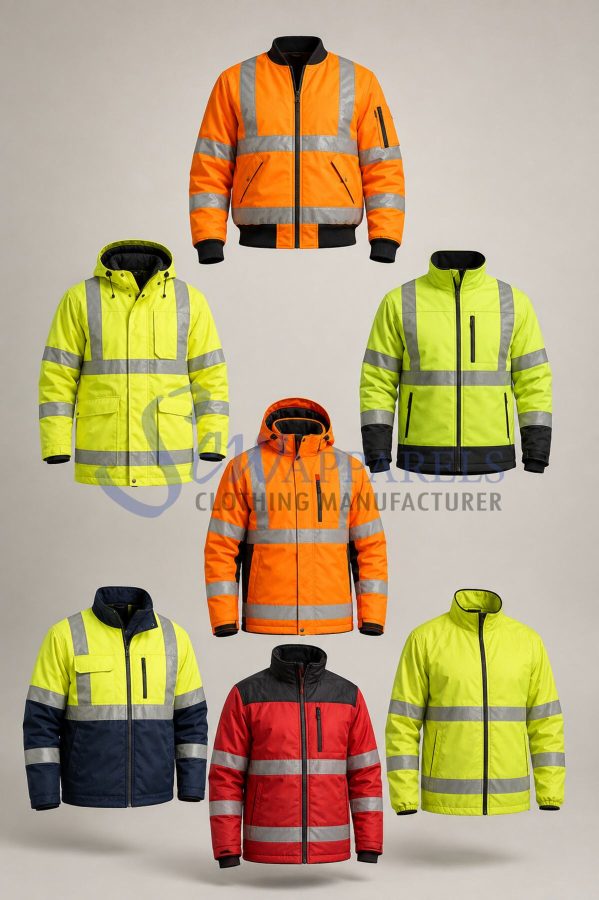
Reflective work jackets engineered for layered visibility, weather-ready function, controlled tape placement and repeat workforce uniform programs
Custom Hi-Vis Jackets Manufacturer
Custom Hi-Vis Jackets Manufacturer in Bangladesh for construction, transport, utility, logistics and infrastructure uniform programs. We develop visibility-focused outer layers with buyer-specified fluorescent shells, reflective material layouts, closures, pockets, hood options, labels and packing, while required compliance is confirmed only against the buyer’s nominated standard and test documentation. Explore our complete workwear manufacturing program for coordinated visibility garments, industrial uniforms and occupational apparel.
MOQ
1) 300 pieces with matching export-quality stock fabric, and 2) 2000 pieces with custom fabric per color and style.
Sampling Lead Time
10–15 DAYS
Sampling Time
Production Lead Time
15–30 DAYS
At MOQ after PP approval; quantity-dependent
ABOUT OUR HI-VIS JACKETS MANUFACTURING
Visibility Jackets Built Around Layering, Tape Geometry and Work Movement
Sew Apparels is a Custom Hi-Vis Jackets Manufacturer in Bangladesh developing woven visibility outerwear from tech packs, physical references and size charts. We coordinate shell construction, reflective-zone geometry, layering ease, sleeve movement, closures and functional trims so the approved jacket can move consistently from sample review into repeat bulk production.
Visibility-Zone Pattern Planning
Reflective Tape Layout Control
Weather-Layer Closure Engineering
Pocket, Cuff & Hood Integration
Our Impact
2018
Established
850+
Skilled Workers
40,000+
sq.ft Factory Area
40+
Export Countries
Performance Fabrics for Hi-Vis Jackets
As a Custom Hi-Vis Jackets Manufacturer in Bangladesh, we select jacket materials around climate, layering, visibility color requirements, surface durability and the buyer’s care expectations. Fluorescent color, retroreflection and any protective performance are treated as specification-led properties requiring appropriate supplier evidence or buyer-requested testing.
Fluorescent Polyester Oxford
150–220 GSM woven shell for lightweight visibility jackets, structured pocket attachment and buyer-specified coated or uncoated finishes.
300D Polyester Oxford
Durable woven option for outerwear requiring firmer body, practical weather finishes and stable reflective-material application.
Polyester Workwear Twill
180–240 GSM woven shell for cleaner uniform styling, frequent use and buyer-specified fluorescent color development.
Three-Layer Softshell
280–330 GSM layered option for cooler conditions, stretch comfort and visibility designs using approved reflective components.
Polyester Ripstop
150–220 GSM grid-reinforced shell for lighter jackets where reduced weight and practical tear resistance are priorities.
Polyester Microfiber
110–170 GSM fine woven option for lightweight wind-layer jackets, packable styles and smoother private-label outerwear.
Hi-Vis Jacket Branding & Functional Details
Logos, identification details and functional components are planned around reflective zones, pocket access and seam lines. Artwork and trims are approved with the jacket pattern so brand placement does not compromise required visibility areas or everyday function.
▦
Reflective Tape Layouts
✦
Embroidery & Transfer Logos
♜
ID Badge & Name Zones
✓
Custom Zippers & Pullers
◈
Woven, Size & Care Labels
▤
Hood, Cuff & Hem Adjusters
⌂
Utility Pocket Configurations
⤢
Branded Polybags & Carton Marking
SCALABLE HI-VIS JACKET PRODUCTION
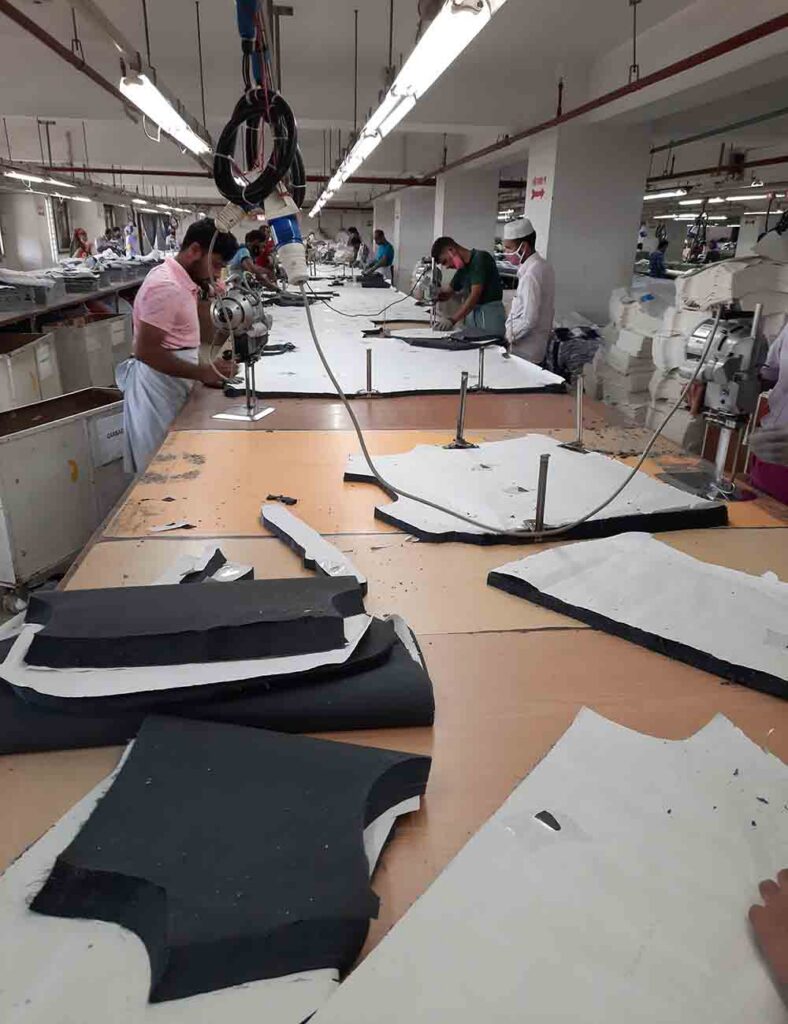
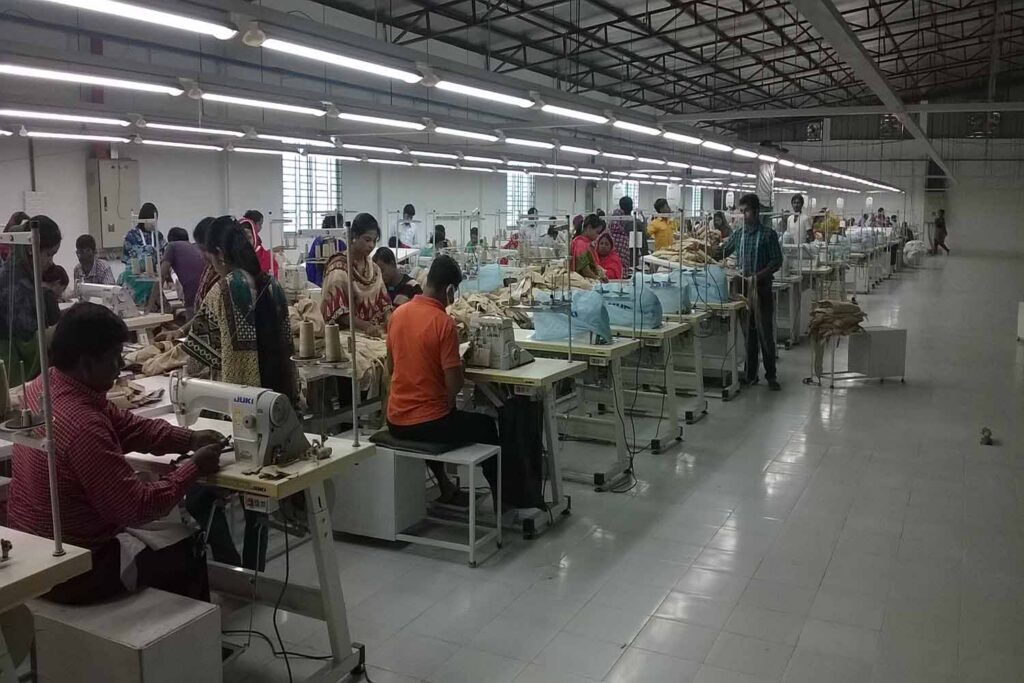
Our woven workwear team supports hi-vis jacket programs through flexible line allocation, shell preparation, reflective component application, outerwear assembly, quality inspection and export coordination.
UP TO 60K
Woven Apparel Monthly Capacity
Flexible Woven Sewing Line
Allocation
Skilled Workwear
Production Team
Worldwide
Export Packing & Shipment Coordination
Our Hi-Vis Jacket Production Process
As a Custom Hi-Vis Jackets Manufacturer in Bangladesh, Sew Apparels reviews the visibility brief, jacket silhouette, reflective layout, hood and collar construction, pocket map, closure system, layering allowance and branding before sampling. After approval, fabric preparation, cutting, reflective-material application, assembly, measurement control, final inspection and export packing follow the confirmed specification.
Quality Control for Hi-Vis Jackets
Fluorescent Shell Shade & Surface Review
Reflective Material Position & Width Check
Body, Sleeve, Hood & Layering Measurement Control
Zipper, Cuff, Hem & Adjuster Function Check
Pocket Alignment, Seam & Reinforcement Review
AQL 2.5 Final & Packing Inspection
WHY INTERNATIONAL SAFETY WORKWEAR & UNIFORM BUYERS CHOOSE SEW APPARELS FOR HI-VIS JACKETS
Our Custom Hi-Vis Jackets Manufacturer in Bangladesh supports visibility-zone planning, layered outerwear fit, controlled reflective placement, functional trim coordination and repeat-order specification management for occupational programs.
💰
Visibility-Zone Pattern Planning
Background and reflective areas are mapped with pockets, seams and branding before samples move into production review.
⏱
Reflective Placement Control
Tape routes, joins and matching points are checked against approved patterns for cleaner alignment across the size range.
🛡
Layered Outerwear Fit
Chest ease, sleeve shape and shoulder movement are balanced around the base layers specified for workplace use.
♻
Functional Trim Coordination
Zippers, cuffs, hood adjusters and pocket hardware are selected around jacket weight, movement and care expectations.
⚙
Specification-Led Compliance Support
Target standards, component evidence and buyer-requested testing are reviewed without making unsupported certification or performance claims.
☑
Repeat-Order Version Control
Approved patterns, reflective maps, trim references and branding positions are recorded to support consistent replenishment programs.
HI-VIS JACKETS APPLICATIONS
Road & Construction Crews
Visibility outerwear for vehicle-exposed site and roadside teams.
Logistics & Yard Operations
Layered jackets for loading areas, depots and transport yards.
Utilities & Maintenance
Branded visibility jackets for field and infrastructure crews.
Airport Ground Handling
High-visibility outer layers for ramp and service personnel.
Rail & Infrastructure Teams
Reflective work jackets for trackside and project operations.
Corporate Safety Programs
Coordinated jackets for branded multi-role workforce uniforms.
Frequently Asked Questions
What is your MOQ for custom hi-vis jackets?
1) 300 pieces with matching export-quality stock fabric, and 2) 2000 pieces with custom fabric per color and style. As a Custom Hi-Vis Jackets Manufacturer in Bangladesh, we confirm final MOQ after reviewing shell fabric, reflective material, pocket count, lining, trims, branding, size range and any testing or documentation requirements.
Which hi-vis jacket constructions can you manufacture?
We can develop lightweight unlined jackets, lined work jackets, hooded styles, bomber-inspired silhouettes, longer field jackets and buyer-defined visibility outerwear. Sleeve articulation, body length, collar or hood shape, cuff finish and layering ease follow the approved tech pack or physical reference.
Which fabrics are suitable for hi-vis jackets?
Common options include fluorescent polyester Oxford, polyester twill, softshell, coated polyester, ripstop and microfiber shells. A hi-vis jacket manufacturer in Bangladesh should confirm shell weight, finish, fluorescent shade and lining around the intended work environment rather than selecting one fabric for every program.
Can you develop custom pockets and closure systems?
Yes, but compliance must be specified and verified. For custom hi-vis work jackets, buyers should identify the target market and required standard before development so background material area, reflective material placement, color and test documentation can be planned correctly. We do not claim certification without supporting evidence.
Do you provide private labels and custom branding?
We support private label hi-vis jackets with embroidery or transfer branding, identification zones, woven labels, care labels, size tabs, custom zipper pullers, hang tags and branded packaging. Branding placement is reviewed against reflective zones and functional panels before approval.
Can you make a hi-vis jacket sample before production?
Yes. Sampling allows buyers to review shell hand feel, layering ease, sleeve movement, hood or collar shape, reflective layout, pocket access, closure operation and logo placement before bulk cutting. Typical sample development is around 10–15 days depending on materials, trims and testing needs.
What is the bulk production lead time for hi-vis jackets?
Typical bulk production is 15–30 days at the applicable MOQ after PP sample and material approvals. Lead time depends on order quantity. Special fluorescent shades, custom reflective components, lined constructions, complex pocket systems, buyer-requested laboratory testing or extensive size sets can require additional planning time.
Can you ship bulk hi-vis jacket orders internationally?
International orders can move by agreed sea, air or express services. We prepare commercial export documentation and can discuss FOB, CIF, CNF or feasible DDP arrangements after destination, shipment volume and service requirements are confirmed for the wholesale high visibility jackets program.
Related Products
Visibility Programs Start With the Risk Brief
Buyers evaluating a Custom Hi-Vis Jackets Manufacturer in Bangladesh should begin with the work environment, not jacket color alone. Vehicle exposure, lighting, weather, shift pattern and layering shape the brief. Road crews and warehouse-yard teams may need different visibility areas, closures and comfort priorities.
An industrial reflective jacket supplier should first confirm the buyer’s target market. ISO 20471 addresses background material, retroreflection, minimum areas and placement. The nominated ISO high-visibility clothing standard should therefore be identified before pattern, reflective layout and trim approval.
Risk-led development keeps logos, dark contrast panels, pocket flaps and decorative seams from crowding functional visibility zones. We map these elements on the jacket pattern before bulk production instead of adding reflective components after the design is already fixed.
Clear documentation makes samples easier to compare. We record intended use, shell reference, fluorescent shade, reflective material code, tape width, placement diagram, size range, closure details and care method so later revisions and repeat orders remain traceable.
Reflective Geometry Has to Follow the Pattern
A Custom Hi-Vis Jackets Manufacturer in Bangladesh must coordinate reflective geometry with actual garment dimensions. Tape routes cross fronts, backs, sleeves and shoulders, while pocket openings, zippers and grading alter available space. Placement therefore needs to be engineered on the real jacket pattern.
For reflective safety jacket production, continuity matters at panel joins and closures. Misaligned bands make the garment look inconsistent even when individual pieces are correct. Matching points, application order and tolerances should be established before assembly.
Size grading needs separate review. A layout that suits a large sample may become crowded on smaller sizes or too open on larger ones. We assess the graded pattern against buyer requirements before approving the full size set.
Sew-on tape, segmented heat-applied materials and other approved reflective components behave differently around curves and seams. Component choice should follow supplier instructions, garment construction and required testing rather than visual preference alone.
Shell Construction Must Match Weather Exposure
At a Custom Hi-Vis Jackets Manufacturer in Bangladesh, shell selection should balance visibility color requirements with weather exposure and garment weight. Lightweight polyester suits transitional use, while denser Oxford, coated shells or softshell may suit colder or wetter briefs. Performance claims require verified data.
A fluorescent work jacket supplier should also consider how finishes affect hand feel and care. Coatings can support weather resistance when specified, but they may influence breathability, stiffness and seam handling. Buyers should define the intended balance.
Lining changes the whole jacket system. Mesh supports easier layering, while quilted or fleece linings add warmth and bulk. The lining affects sleeve fit, zipper choice, hood volume, hem construction and finished measurements, so it should be fixed before PP approval.
Color consistency matters in visibility programs. Shell lots, pocket components and contrast panels may vary under daylight. We review approved references before assembly, while formal fluorescent color performance remains subject to the specified test method and documentation.
Layering Fit Controls Real Work Movement
A Custom Hi-Vis Jackets Manufacturer in Bangladesh should pattern the jacket around expected base layers. Chest ease, armhole depth, sleeve width and shoulder shape need room for layering without uncontrolled bulk, particularly in winter or all-season workforce programs.
For high visibility workwear jackets, shoulder and elbow movement matters beyond static chest measurements. Reaching, lifting and driving can pull across the back or raise the hem, so sleeve pitch and shaping are reviewed during sample fitting.
Hood volume depends on use. A compact weather hood differs from one designed around bulky collars or head protection. Buyers should specify whether it is fixed, detachable or concealed and whether adjusters are permitted in their workplace.
Fit approval works best with realistic layers and movement. Buyers can assess reach, cuff position, closure tension, pocket access and hem ride-up. These observations are then converted into measurable pattern corrections before bulk cutting.
Closures, Pockets and Cuffs Shape Daily Use
A Custom Hi-Vis Jackets Manufacturer in Bangladesh has to integrate hardware with the visibility layout. Zippers, storm flaps, pocket openings, cuffs and hem systems all use space and alter sewing sequence, so their positions should be resolved before reflective components and branding.
For multi pocket hi-vis jackets, storage needs should become actual pocket dimensions and opening directions. Chest, lower, internal and ID compartments create different load points, so reinforcement is selected around the approved use.
Cuffs are high-contact areas. Elastic, hook-and-loop adjusters, snap tabs or storm cuffs each change sleeve finishing and user adjustment. The chosen system should suit glove use, layering and care expectations while attachment quality is checked during inspection.
Hardware consistency matters for repeat programs. Zipper gauge, puller shape, snap finish and hook-and-loop quality should be recorded by approved reference. Substitutions need buyer approval because small changes can affect appearance and operation.
Testing and Care Need Documented Decisions
A Custom Hi-Vis Jackets Manufacturer in Bangladesh should separate factory construction checks from certified performance claims. Stitching and measurements can be inspected in production, while fluorescent color, retroreflection or weather properties may require specific laboratory methods and documented component evidence.
High-visibility garments are affected by care. Soil, abrasion, washing and incorrect drying may change appearance or reflective performance. The HSE high-visibility clothing guidance emphasizes keeping high-visibility clothing clean and in good condition, supporting accurate care labeling.
For bulk hi-vis jacket production, the PP sample should define the exact component combination. Shell lot, reflective material, labels, closures, thread and lining are easier to control when approvals use identifiable references instead of generic descriptions.
Final inspection checks measurements, reflective placement against the approved pattern, seam quality, pockets, closures, labeling and packing. Where test reports or certificates are required, those documents should be reviewed separately from visual AQL inspection.
Private-Label Programs Depend on Repeatable Records
International buyers choosing a Custom Hi-Vis Jackets Manufacturer in Bangladesh often need repeat shipments. Private-label programs depend on controlled patterns, component references and branding positions so later orders do not drift. Production records are maintained around the approved specification and revisions.
For custom reflective work jackets, branding should be recorded with artwork size, location and application method. Moving a logo can affect pockets, reflective zones or visual balance, so approval sheets give production teams a clear reference.
Packaging is part of repeat-order control. Size stickers, barcode labels, folded dimensions, polybag warnings, carton assortment and shipping marks can be organized around the buyer’s distribution system and confirmed before packing.
Change control keeps sourcing clear. If reflective material, shell, zipper, pocket configuration or grading changes, the revised version should be identified before production. This gives importers, distributors and brands a reliable reference for approvals and future orders.
Develop Your Next Hi-Vis Jacket Program
Send your tech pack, physical reference, target market, visibility requirement, shell preference, reflective layout, size chart and branding to our Custom Hi-Vis Jackets Manufacturer in Bangladesh for costing, sample development and bulk production planning. Buyers requiring a lightweight visibility layer can also explore our custom hi-vis vests.