
Purpose-built work trousers for dependable uniforms, balanced mobility and controlled repeat-order sizing
Custom Work Trousers Manufacturer in Bangladesh
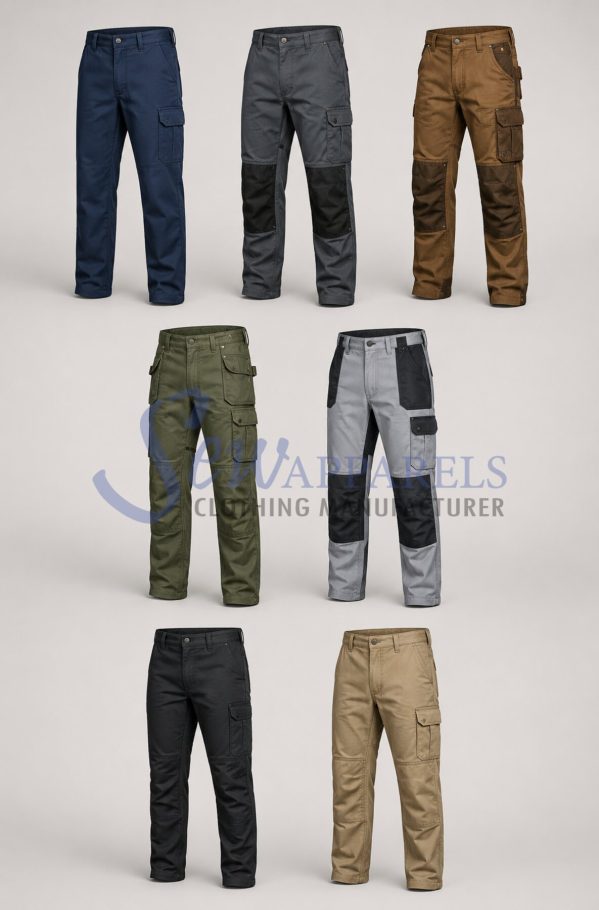
Custom Work Trousers Manufacturer in Bangladesh for industrial suppliers, facilities teams, contractors, service companies and uniform brands. We produce woven work trousers with practical waist systems, clean pocket layouts, controlled fit, durable trims and private-label finishing for repeat workforce programs. Explore our complete workwear manufacturing program for coordinated occupational garments and workforce uniform collections.
MOQ
1) 500 pieces with matching export-quality stock fabric, and 2) 2000 pieces with custom fabric per color and style.
Sampling Lead Time
10–15 DAYS
Sampling Time
Production Lead Time
15–30 DAYS
At MOQ after PP approval; quantity-dependent
ABOUT OUR WORK TROUSER MANUFACTURING
Work Trousers Developed for Daily Uniform Use
Sew Apparels is a Custom Work Trousers Manufacturer in Bangladesh supporting buyers that need straightforward, functional trousers rather than fashion-led bottoms. We develop fit, waistband, fly, pockets, leg shape, reinforcement points and trims from the approved specification while keeping the section compact for efficient uniform sourcing.
Fit, Rise & Leg-Proportion Planning
Waistband, Fly & Belt-Loop Control
Pocket Access & Stress-Zone Engineering
Fabric, Trim & Reorder Specification Control
Our Impact
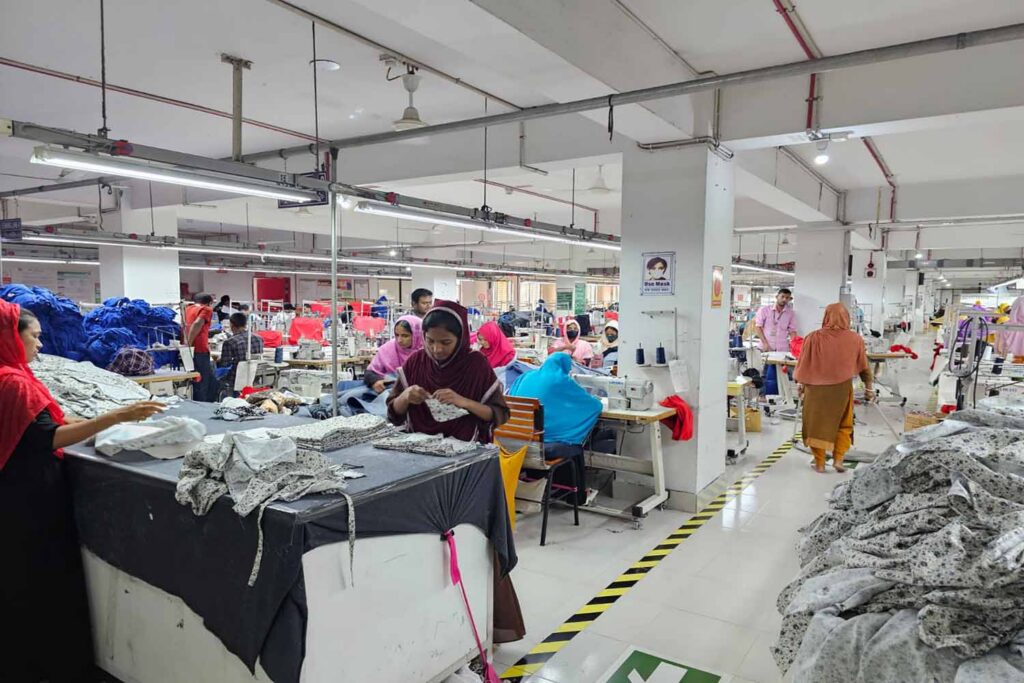
2018
Established
850+
Skilled Workers
40,000+
sq.ft Factory Area
40+
Export Countries
Work Trouser Fabric Options
As a Custom Work Trousers Manufacturer in Bangladesh, we select woven fabrics according to garment weight, work environment, movement, care expectations and required appearance. Buyers can specify composition, GSM, weave, stretch, finish and color after reviewing the intended workforce use.
Polyester-Cotton Workwear Twill
230–280 GSM blended twill for polyester cotton work trousers needing stable structure, practical maintenance and repeat uniform consistency.
100% Cotton Twill
220–300 GSM woven option for cotton twill work trousers requiring a natural hand, firm pocket support and traditional utility styling.
Stretch Cotton Twill
220–280 GSM cotton-elastane twill for stretch work trousers where controlled ease is preferred through sitting, bending and walking.
Poly-Cotton Ripstop
200–260 GSM grid-structured woven fabric for lighter utility trousers where buyers prefer a visible reinforcement pattern and reduced bulk.
Cotton Canvas
260–320 GSM firm woven fabric for heavier uniform work trousers, reinforcement panels and rugged occupational collections.
Polyester-Viscose Twill
190–250 GSM smoother woven option for service, facility and corporate-workwear programs requiring a cleaner uniform appearance.
Custom Work Trouser Branding & Functional Details
Branding is positioned around movement zones and usable pockets rather than added after construction. We coordinate artwork, labels, closures, waistband details and reinforcement points so custom work trousers remain functional while presenting a consistent buyer identity across sizes.
▦
Hip, Thigh & Pocket Embroidery
▣
Screen Print & Heat Transfer
♜
Woven, Rubber & Embroidered Patches
✓
Reflective Accent Details
◈
Slash, Welt & Utility Pocket Options
▤
Waist Adjusters & Reinforcement Details
⌂
Branded Buttons, Snaps & Zippers
⤢
Private Labels, Hangtags & Export Packing
SCALABLE WORK TROUSER PRODUCTION
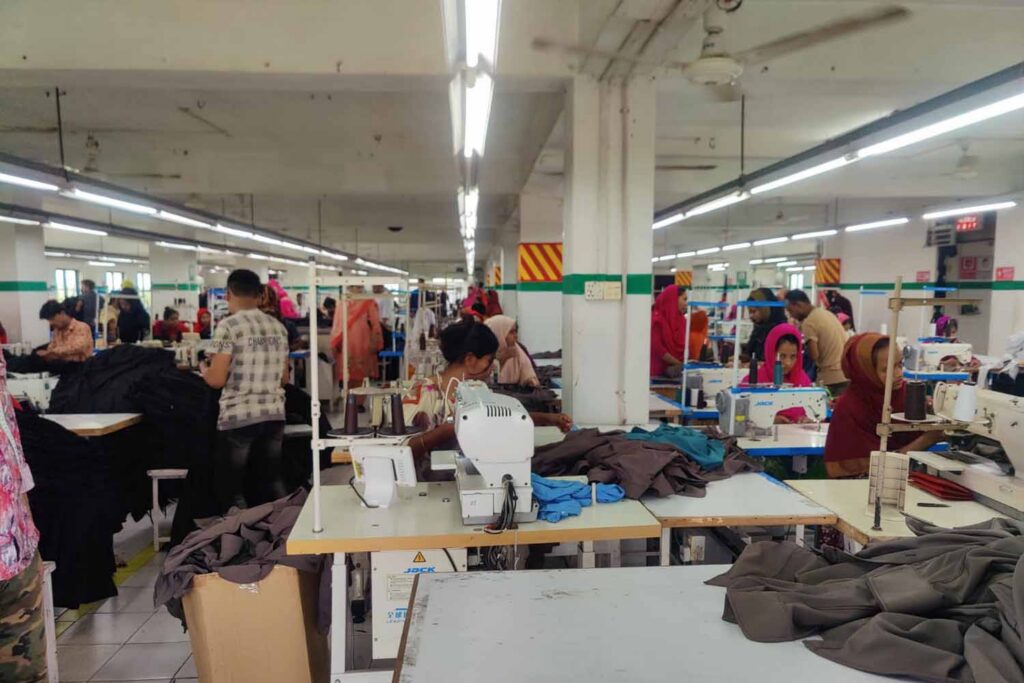
Our woven workwear team supports work trouser programs through flexible line allocation, sampling, component preparation, structured sewing, quality inspection, finishing and export coordination.
UP TO 80K
Woven Apparel Monthly Capacity
Flexible Woven Sewing Line
Allocation
Skilled Workwear
Production Team
Worldwide
Export Packing & Shipment Coordination
Our Work Trouser Production Process
As a Custom Work Trousers Manufacturer in Bangladesh, Sew Apparels reviews the tech pack, fabric, waistband, fly, pockets, fit, reinforcement points, labels and packing before sampling. After approval, cutting, component preparation, sewing, measurement control, finishing, AQL inspection and export packing follow the recorded production specification.
Quality Control for Work Trousers
Fabric Weight, Weave & Shade Review
Waistband, Fly & Belt-Loop Alignment Check
Pocket Position, Opening & Reinforcement Review
Waist, Rise, Inseam & Leg Measurement Control
Seam, Trim, Branding & Label Verification
AQL 2.5 Final & Packing Inspection
WHY INTERNATIONAL WORKWEAR & UNIFORM BUYERS CHOOSE SEW APPARELS FOR WORK TROUSERS
Our Custom Work Trousers Manufacturer in Bangladesh supports buyers with controlled fit development, practical construction, fabric selection, repeat sizing and organized private-label production.
💰
Balanced Workwear Fit
Waist, seat, thigh and leg dimensions are coordinated to support movement without creating unnecessary bulk during daily uniform use.
⏱
Reliable Waist Construction
Waistbands, belt loops, fly components and closures are aligned consistently to reduce twisting and uneven finished appearance.
🛡
Use-Based Fabric Selection
Twill, ripstop, canvas and stretch options are selected around garment weight, care expectations, mobility and buyer specifications.
♻
Practical Pocket Engineering
Pocket depth, opening angle, bag construction and reinforcement are planned for access without distorting the trouser silhouette.
⚙
Controlled Size Grading
Approved waist, rise, thigh, inseam and hem increments are documented to support consistent multi-size workforce distribution.
☑
Repeat-Order Documentation
Patterns, fabric references, trims, measurements and branding positions are recorded to support dependable replenishment across future purchase orders.
WORK TROUSERS APPLICATIONS
Facilities & Maintenance
Uniform trousers for technicians, caretakers and property-service teams.
Manufacturing Plants
Practical workwear for operators, supervisors and production personnel.
Construction & Trades
Durable trousers for installers, contractors and skilled trade crews.
Logistics & Distribution
Work trousers for warehouse, dispatch and transport-support staff.
Field Service Teams
Mobile uniforms for repair, utilities and technical service personnel.
Uniform Brands & Distributors
Private-label trousers for wholesale and workforce replenishment programs.
Frequently Asked Questions
What is your MOQ for custom work trousers?
1) 500 pieces with matching export-quality stock fabric, and 2) 2000 pieces with custom fabric per color and style. The Custom Work Trousers Manufacturer in Bangladesh team finalizes MOQ after confirming color count, size assortment, trims and fabric availability. Buyer-developed woven fabric normally requires a higher volume, commonly around 2,000 pieces.
Which work trouser fits and constructions can you manufacture?
We can develop straight, regular, relaxed and tapered fits with standard or partially elasticated waistbands, shaped knees, gussets, different rise options and buyer-defined hem widths. A work trousers manufacturer in Bangladesh should grade the complete size range from approved base measurements rather than simply enlarging one pattern.
Which fabrics are suitable for industrial work trousers?
Common materials include poly-cotton twill, cotton twill, stretch twill, ripstop, canvas and selected polyester-viscose blends. An industrial work trouser supplier should match fabric weight and structure to the garment design, work environment and expected care routine instead of relying on one fabric for every program.
Can you add reinforced knees and specialist cargo pockets?
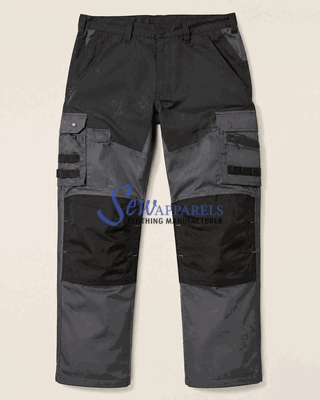
Yes. Buyers can specify front slash pockets, back welt or patch pockets, ruler or phone pockets, concealed utility pockets, reinforcement panels, bartacks and reflective accents. wholesale work trousers can also be developed with simpler pocket maps for service or facility uniforms where a clean appearance is more important than tool storage.
Do you provide private labels, trims and branded packaging?
Yes. We support private label work trousers with woven labels, care labels, size tabs, branded buttons or zipper pullers, patches, hangtags, barcodes and export packaging. Branding placement is confirmed during sampling so it remains clear without interfering with pocket access or high-stress seams.
Can you develop a work trouser sample before bulk production?
Yes. Sampling normally takes about 10–15 days after the required fabric, trims and artwork are available. The sample is used to review fit, waistband stability, pocket access, fly function, stitching, hem shape, branding and finished measurements before bulk approval.
What is the production lead time for work trousers?
Bulk production is typically around 15–30 days at the applicable MOQ after PP sample, material and artwork approval. Lead time depends on order quantity. Custom dyeing, special trims, broad size assortments or complex finishing can change the schedule, so the confirmed timeline is linked to the approved production specification.
Can you ship wholesale work trouser orders internationally?
Yes. We coordinate sea, air and express shipment with commercial export documentation. FOB, CIF, CNF and selected DDP arrangements can be discussed after destination, quantity, carton information and delivery requirements are confirmed for bulk work trouser production.
Related Products
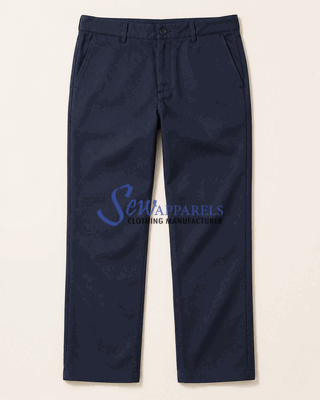
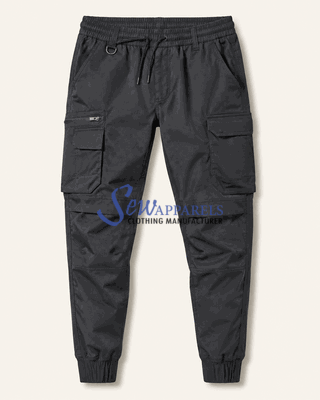
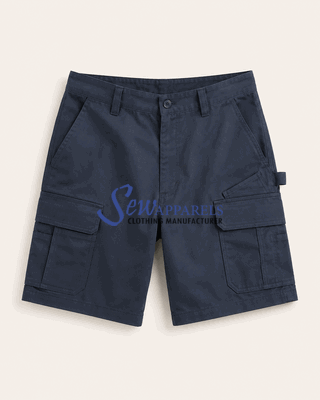
Work Trouser Specifications Start With the Job
A Custom Work Trousers Manufacturer in Bangladesh should begin with the wearer’s actual tasks, not a generic trouser block. Sitting, climbing, walking, lifting and kneeling affect waist ease, rise, thigh room, knee position and hem opening. A useful specification connects those movements to measurable pattern decisions.
Buyers can start from a tech pack, approved sample or existing uniform. The development team should identify which dimensions are critical to comfort and which details control appearance, such as waistband depth, front rise, back rise, pocket angle and crease line.
custom work trousers can range from stripped-back facility uniforms to heavier trade trousers. That difference changes fabric weight, pocket construction, seam choice and reinforcement. Defining the end use early prevents unnecessary components from being added simply because they are common on workwear.
For repeat programs, the approved sample becomes a technical reference rather than a visual suggestion. Pattern version, measurement chart, fabric code, trim references and packing instructions should all connect to the same style record before bulk cutting begins.
Fit, Waistband and Grading Shape Daily Comfort
A Custom Work Trousers Manufacturer in Bangladesh needs to balance secure waist fit with enough room through the seat and thigh. A waistband that fits correctly can still fail if the rise is too short, the back balance pulls during bending, or the thigh is restrictive during movement.
Standard fixed waistbands suit many uniform programs, while elastic side sections or internal adjusters can help specific wearer groups. Belt-loop width, spacing, waistband interlining and closure choice are selected around the garment weight and the buyer’s preferred appearance.
stretch work trousers require pattern decisions that respect fabric extension rather than simply reducing measurements. The amount of ease, knee shaping and leg taper should be reviewed on the actual approved fabric because different woven stretch constructions recover differently.
Size grading deserves its own control step. Waist, hip, rise, thigh, knee, inseam and bottom opening do not always increase at the same rate. A consistent grade supports mixed-size workforce orders and reduces unexpected fit changes between smaller and larger sizes.
Fabric Weight and Structure Influence Wear
A Custom Work Trousers Manufacturer in Bangladesh should match fabric structure to the trouser’s construction and care expectations. Midweight twills support clean seams and pockets, while heavier canvas can create more body. Ripstop provides a different visual and structural character for utility-led ranges.
polyester cotton work trousers are often specified where buyers want a blended woven uniform fabric, while cotton twill work trousers provide a different hand and natural-fiber surface. Final selection still depends on GSM, weave density, finish, color and the buyer’s required testing.
Fabric weight also changes how the garment hangs. A heavier cloth can make pocket edges, hems and waistband seams feel more substantial, while a lighter fabric may need careful component selection to avoid local stiffness around zippers, pockets or reinforcement layers.
Before bulk production, buyers may request shrinkage, colorfastness, dimensional or other tests appropriate to their market. Test requirements should be agreed against the actual fabric and finish instead of assuming that a fiber composition alone guarantees a performance level.
Pocket Layout and Stress Zones Need Restraint
A Custom Work Trousers Manufacturer in Bangladesh should treat every pocket as part of the fit and balance of the garment. Front opening angle affects access, back pockets influence seat appearance, and extra utility pockets add local layers that can change stiffness and sewing sequence.
uniform work trousers may need only slash pockets and one or two back pockets, while technical teams may request phone, ruler or concealed utility compartments. The right choice depends on the job role, not the maximum number of pockets a factory can sew.
Stress points are normally concentrated around pocket corners, fly ends, belt loops and selected seam intersections. Bartacks, extra stitch rows or reinforcement pieces can be applied where specified, but their position should follow the approved construction rather than being added randomly.
Pocket bags also deserve attention. Depth, material, opening length and attachment method influence comfort and durability. A pocket that is too shallow can be inconvenient, while excessive bag volume can create visible bulk under a cleaner service-uniform silhouette.
Seam Construction Should Follow Fabric and Load
A Custom Work Trousers Manufacturer in Bangladesh has to coordinate stitch type, seam allowance and reinforcement with the chosen woven fabric. Heavy cloth, stretch twill and lighter service fabrics do not behave identically under the same needle, thread and seam configuration.
Seam quality is evaluated visually during production and can also be assessed through buyer-requested laboratory methods. The ASTM sewn seam test measures seam failure in woven fabrics, providing a relevant reference when a buyer includes seam-strength requirements in the specification.
Fly construction, crotch assembly, side seams, inseams and waistband attachment each carry different loads. Operators, machine settings and component preparation should therefore be planned around the approved operation rather than treated as one generic trouser seam.
Inline inspection helps identify puckering, skipped stitches, uneven topstitching, open seams and misaligned components before finishing. Correcting these issues at the operation stage is more controlled than relying on final inspection to discover them after the garment is complete.
Laundering Can Change Fit and Appearance
A Custom Work Trousers Manufacturer in Bangladesh should consider how shell fabric, pocketing, waistband materials and trims behave after care. Different components can shrink or relax at different rates, affecting waistband shape, leg length, pocket opening and overall garment balance.
The AATCC garment laundering method measures dimensional changes after home laundering. Buyers can specify appropriate test methods and acceptance criteria when dimensional stability is important to their program rather than relying on unverified assumptions.
Color and surface appearance may also influence repeat orders, particularly where different departments wear the same uniform shade. Approved lab dips, bulk shade control and buyer-requested colorfastness testing can support consistency when the sourcing program requires it.
Care labels should reflect confirmed material and test information. The manufacturer can coordinate label production, but washing temperatures, drying instructions and ironing symbols should not be guessed from garment appearance or copied from an unrelated workwear style.
Private-Label Reorders Depend on Controlled Records
International buyers choosing a Custom Work Trousers Manufacturer in Bangladesh often need more than one shipment. Repeat supply depends on retaining the approved pattern, graded measurements, fabric reference, color standard, trim list, label artwork and packing instructions in a controlled style record.
private label work trousers can include branded waistband details, woven labels, patches, care labels, size tabs, hangtags, barcodes and carton markings. Each element should be approved by position and version so a later reorder does not accidentally use obsolete artwork.
bulk work trouser production also benefits from clear purchase-order breakdowns by color and size. Separating size ratios, packing assortments and carton instructions from the construction specification helps reduce confusion when the same style serves several workforce locations.
For buyers sourcing through Bangladesh, communication quality is part of repeatability. Confirmed changes should be recorded before cutting, and any material substitution should return to the buyer for approval rather than being treated as an informal production adjustment.
Develop Your Next Work Trouser Program
Send your tech pack, physical reference, fabric requirement, size chart, waistband and pocket details, branding artwork and packing instructions to our Custom Work Trousers Manufacturer in Bangladesh. We will review the specification and prepare the development path for sampling, costing and bulk production.
Build a coordinated uniform with our custom woven work shirts.