
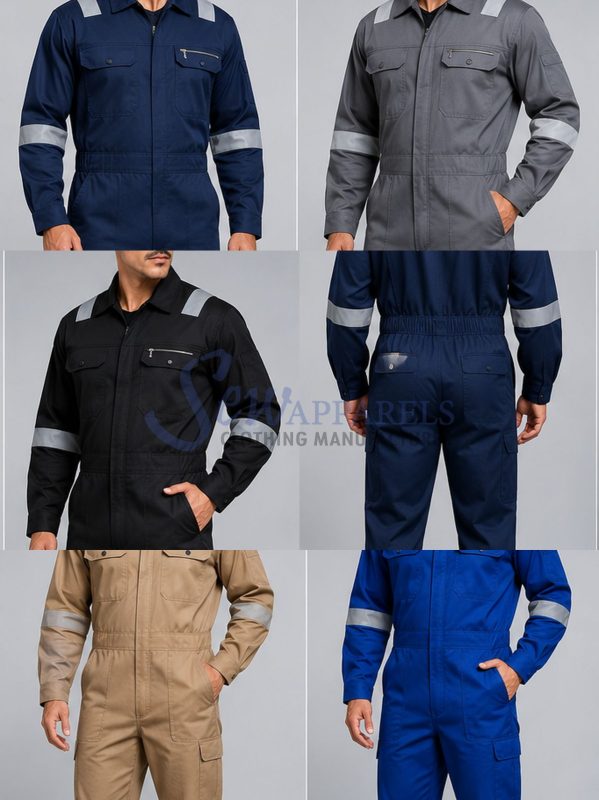
One-piece coveralls developed for coordinated fit, unrestricted movement and organized workforce uniform programs
Custom Coveralls Manufacturer in Bangladesh
Custom Coveralls Manufacturer in Bangladesh for maintenance contractors, workshops, utilities, logistics operators and uniform suppliers. We manufacture custom work coveralls with woven twill or ripstop shells, front zippers, practical pockets, adjustable cuffs, action-back options, private labels and export-ready packing to buyer specifications. Explore our complete workwear manufacturing program for coordinated industrial uniforms and occupational apparel.
MOQ by 2 Options
1) 300 pieces with matching export-quality stock fabric, and 2) 2000 pieces with custom fabric per color and style.
Sampling Lead Time
10–15 DAYS
Sampling Time
Production Lead Time
15–30 DAYS
At MOQ after PP approval; quantity-dependent
ABOUT OUR COVERALL MANUFACTURING
One-Piece Workwear Engineered From Shoulder to Hem
Sew Apparels is a Custom Coveralls Manufacturer in Bangladesh developing one-piece workwear around torso length, rise, sleeve reach and leg movement. We coordinate collar shape, front opening, waist adjustment, pocket zoning and stress-point reinforcement so approved coveralls fit consistently across occupational size ranges.
Torso, Rise & Sleeve Balance
Front-Zip & Placket Engineering
Action-Back & Mobility Development
Pocket & Stress-Point Planning
Our Impact
2018
Established
850+
Skilled Workers
40,000+
sq.ft Factory Area
40+
Export Countries
Coverall Fabric Options
As a Custom Coveralls Manufacturer in Bangladesh, we select woven fabrics around coverage, climate, movement, pocket load and care expectations. An industrial coverall supplier can develop lighter service uniforms or firmer workshop styles while controlling composition, GSM, shrinkage, shade and trim compatibility through approved specifications.
Polyester-Cotton Workwear Twill
200–260 GSM blended twill for polyester cotton coveralls requiring stable structure, practical care and dependable support for pockets and closures.
100% Cotton Twill
220–280 GSM woven cotton for cotton twill coveralls requiring a natural hand, solid body and classic occupational appearance.
Cotton-Rich Stretch Twill
200–250 GSM cotton-elastane woven fabric where controlled flexibility is specified through bending, climbing and extended seated work.
Poly-Cotton Ripstop
180–230 GSM grid-structured woven option for coveralls requiring lower bulk with a visibly reinforced surface construction.
Cotton Canvas
250–320 GSM firm woven fabric for workshop or utility programs where buyers require additional body around high-use areas.
Polyester-Rich Uniform Twill
180–240 GSM woven option for service, logistics and facility uniforms requiring controlled appearance and buyer-specified care performance.
Custom Coverall Branding & Functional Details
Branding and functional components are positioned around the one-piece pattern without obstructing closures, pockets or movement zones. Artwork, trims and dimensions are approved before bulk attachment.
▦
Chest, Sleeve & Back Embroidery
▣
Screen Print & Heat Transfer
♜
Woven, Rubber & Embroidered Patches
✓
Reflective Accent Details
◈
Two-Way Zippers & Concealed Plackets
▤
Elastic Waist & Side Adjusters
⌂
Utility Pockets, Tool Loops & Pen Slots
⤢
Private Labels, Hangtags & Export Packing
SCALABLE COVERALL PRODUCTION
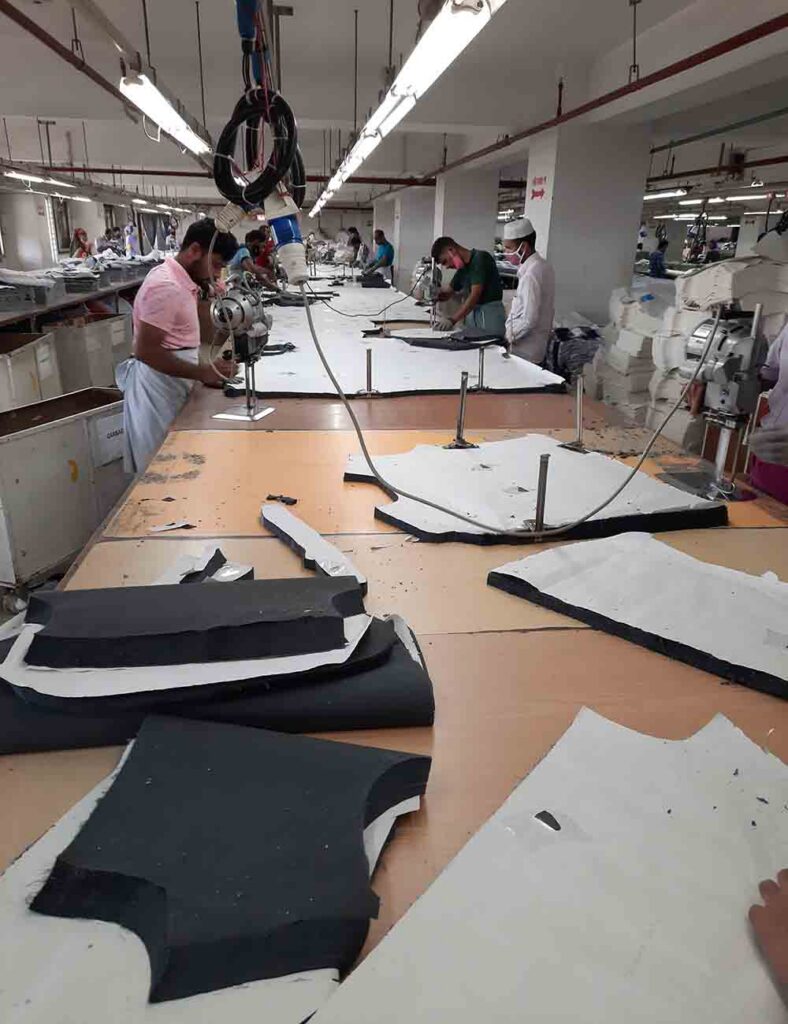
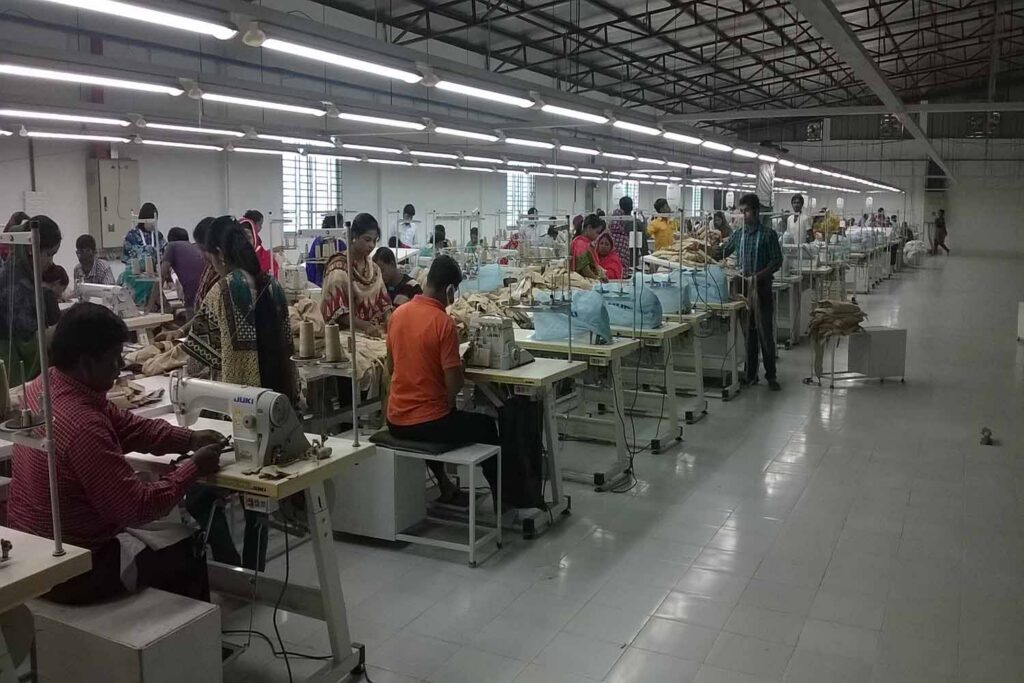
Our woven apparel team supports coverall programs through flexible line allocation, reinforced construction, quality inspection, finishing and export coordination.
UP TO 80K
Woven Apparel Monthly Capacity
Flexible Woven Sewing Line
Allocation
Skilled Workwear
Production Team
40+
Export Countries with Worldwide Shipment Support
Our Coverall Production Process
As a Custom Coveralls Manufacturer in Bangladesh, Sew Apparels reviews the tech pack, body measurements, torso-to-rise balance, fabric, closure, pocket plan, cuffs, waist adjustment, branding and packing before sampling. Approved patterns and component specifications then guide cutting, sewing, inspection, finishing and shipment preparation.
Quality Control for Coveralls
Fabric Weight, Weave & Shade Review
Torso, Rise, Sleeve & Inseam Measurement Check
Zipper, Placket & Waist-Adjustment Inspection
Pocket Position, Access & Reinforcement Review
Seam, Cuff, Branding & Label Verification
AQL 2.5 Final & Packing Inspection
WHY INTERNATIONAL WORKWEAR & UNIFORM BUYERS CHOOSE SEW APPARELS FOR COVERALLS
Our Custom Coveralls Manufacturer in Bangladesh supports buyers with one-piece pattern engineering, organized component control, consistent sizing, practical branding and repeat-order documentation.
💰
One-Piece Fit Engineering
Torso, rise, sleeve and leg proportions are balanced together to prevent one area from restricting another during movement.
⏱
Controlled Closure Construction
Front zippers, plackets and waist adjustments are positioned accurately for dependable access, appearance and repeat-order consistency.
🛡
Job-Specific Fabric Planning
Fabric composition, weight and structure are selected around climate, coverage, pocket load, care expectations and buyer specifications.
♻
Functional Pocket Zoning
Chest, hip, rear and tool pockets are positioned for access while protecting major bending and closure zones.
⚙
Coordinated Size Grading
Torso length, rise, sleeve reach, seat and inseam increments are controlled together across extended workforce size ranges.
☑
Repeat-Order Specification Control
Approved patterns, trims, measurements and branding positions are documented to support consistent replenishment across future uniform programs.
COVERALL APPLICATIONS
Engineering & Maintenance
One-piece uniforms for technicians, plant maintenance and engineering crews.
Automotive & Workshop Teams
Practical coveralls for mechanics, service bays and equipment workshops.
Utilities & Field Service
Coordinated workwear for mobile technicians and infrastructure support teams.
Warehousing & Logistics
Full-body uniforms for handling, distribution and operational staff.
Agriculture & Equipment
Utility coveralls for machinery, farm and equipment-service programs.
Uniform Brands & Distributors
Private-label coveralls for wholesale, contract and replenishment programs.
Frequently Asked Questions
What is your MOQ for custom coveralls?
1) 300 pieces with matching export-quality stock fabric, and 2) 2000 pieces with custom fabric per color and style. The Custom Coveralls Manufacturer in Bangladesh confirms final MOQ after reviewing fabric, trims, sizing, construction and branding. As a coverall manufacturer in Bangladesh, higher quantities may apply for custom materials or specialized components.
Which fits and constructions can you manufacture for coveralls?
We can develop regular, relaxed and mobility-focused constructions with straight or elasticized waists, action backs, gussets, adjustable cuffs and different leg openings. Fit development coordinates shoulder width, torso length, rise, sleeve reach and inseam rather than grading upper and lower sections independently.
Which fabrics are suitable for industrial coveralls?
Common choices include poly-cotton twill, cotton twill, stretch twill, ripstop, canvas and polyester-rich uniform fabrics. We can develop polyester cotton coveralls, cotton twill coveralls and other buyer-specified constructions according to intended use, GSM, care requirements and material availability.
Which closures, pockets and functional details can you add?
Yes. We can develop zip front work coveralls with one-way or two-way zippers, concealed plackets, snaps, elastic waist sections, adjustable cuffs, tool loops and multi pocket coveralls. Positions are approved during sampling so functional details remain accessible.
Can you produce private-label coveralls with custom branding?
Yes. We support private label coveralls with embroidery, print, heat transfer, patches, woven labels, care labels, size tabs, hangtags, barcodes, polybags and carton markings. Artwork and placement are approved before bulk production.
Can you develop a coverall sample before bulk production?
Yes. Sampling typically takes around 10–15 days after required fabric, trims and artwork are available. Buyers can review torso balance, rise, sleeve reach, inseam, closure operation, pocket access, waist adjustment and branding before approval.
What is the production lead time for coveralls?
After PP sample, materials and artwork are approved, production scheduling is normally around 15–30 days at the applicable MOQ. Lead time depends on order quantity. Special zipper sourcing, custom-dyed fabrics, extended size ranges, complex pocket systems or requested laboratory testing may extend timing.
Can you ship wholesale coverall orders internationally?
Yes. We coordinate sea, air and express shipment with export documentation for wholesale work coveralls. FOB, CIF, CNF and selected DDP arrangements can be discussed after destination, volume and packing are confirmed.
Related Products
Coverall Fit Starts With Vertical Body Balance
A Custom Coveralls Manufacturer in Bangladesh has to engineer the garment as one connected pattern system. Shoulder position, torso depth, rise and inseam influence each other because the upper and lower sections cannot move independently. Poor vertical balance can create pulling at the shoulders or crotch when the wearer bends.
Pattern development therefore considers more than chest, waist and hip. Back length, sleeve reach, rise, thigh ease and total length are reviewed together. Action pleats, gussets or elastic waist sections can add mobility when specified, but each feature must remain proportionate to the approved base pattern.
Physical reference garments help buyers identify where existing coveralls feel tight, long or bulky. During sampling, those observations can be compared with the measurement chart before bulk grading. This helps correct vertical balance without shifting the problem into another part of the garment.
The approved fit should also reflect intended layering. A coverall worn over a T-shirt needs different ease from one worn over heavier work clothing. Buyers should define layering, working posture and footwear expectations before final pattern dimensions and tolerances are locked.
Closures and Mobility Features Work Together
A Custom Coveralls Manufacturer in Bangladesh should treat the front opening as part of the movement system. Zipper length, placket width, neckline position and crotch depth influence how easily workers enter the garment and how the body sits after fastening.
One-way zippers suit many uniforms, while two-way configurations can improve access when specified. Concealed guards or snap-over plackets may be added for appearance or buyer requirements. The correct option depends on fabric weight, intended use, trim availability and the approved design.
Action-back pleats, underarm gussets, elasticized waists or shaped sleeves can support movement. These features should be reviewed in the physical sample because excess ease creates bulk, while insufficient ease can transfer strain to armholes, back seams or the crotch.
Cuff and leg-opening choices matter too. Adjustable sleeve cuffs control wrist opening, while straight, snap-adjustable or elasticated hems interact differently with footwear. Approved component dimensions are recorded so repeat orders retain the same opening and closure behavior.
Fabric and Seam Engineering for One-Piece Workwear
A Custom Coveralls Manufacturer in Bangladesh must choose fabric with the garment’s large continuous surface area in mind. Poly-cotton twill, cotton twill, ripstop, canvas and selected stretch wovens can be developed according to climate, structure, care and job requirements.
One-piece garments carry strain through shoulder, armhole, side, seat, crotch and inseam junctions. The ASTM seam classification standard describes seams and stitch types used in sewn items. Buyers can specify construction or testing requirements when documented performance criteria are needed.
Thread, stitch density, seam allowance and reinforcement placement are matched with fabric characteristics and approved construction. Bartacks can be positioned at pocket openings, zipper ends or other localized stress points. Specific strength claims require buyer-requested testing against an agreed method and acceptance level.
Pocketing, zipper tape, labels and reinforcement layers should also be compatible with the shell fabric. If components respond differently after care, distortion can appear around seams. Material compatibility is therefore reviewed during sampling before the bill of materials is finalized.
Pocket Zoning Has to Follow Body Movement
A Custom Coveralls Manufacturer in Bangladesh has generous surface area for storage, but pocket quantity alone does not create a useful garment. Chest, hip, rear, sleeve and tool pockets should be positioned around reach, bending, seated posture and the front closure.
Chest pockets can hold pens or cards, while hip and rear pockets serve different storage needs. Ruler pockets, phone pockets and tool loops can be added from the buyer’s brief. Pocket dimensions should be defined in the tech pack, not judged only by appearance.
Loaded pockets can change how lighter coveralls hang. Pocket bag material, reinforcement, opening angle and placement near side seams or waist elastic need coordinated development. A large pocket positioned across a flex zone may become inconvenient during kneeling or climbing.
Sampling should include reach and clearance checks. Buyers can review whether openings are accessible, whether contents interfere with bending and whether branding competes with storage areas. Approved pocket templates and placement measurements then become controlled production references.
Grading Coveralls Means Coordinating Two Garments at Once
A Custom Coveralls Manufacturer in Bangladesh serving workforce programs needs grading rules that coordinate upper-body and lower-body changes simultaneously. Increasing chest width without adjusting torso length or rise can distort larger sizes, while extra leg length alone may not solve mobility for taller wearers.
Size development tracks chest, waist, hip, shoulder, sleeve, back length, rise, thigh and inseam as one connected system. Extended sizes may need proportion adjustments rather than simple scaling, especially for mixed warehouse, engineering, transport or maintenance teams.
Buyer size charts remain the controlling reference. Patterns can be developed from supplied measurements, a physical sample or an approved base size, then graded after fit approval. Critical points and tolerances are documented for inline and final measurement checks.
Workforce programs often replenish only selected sizes, so stable grading matters across repeat orders. Each size must retain approved relationships even when order ratios change. Pattern files, measurement specifications and approval comments support that consistency.
Laundering Can Change the Whole Garment Relationship
A Custom Coveralls Manufacturer in Bangladesh should evaluate care behavior across the whole garment because dimensional change can affect shoulder-to-ankle balance. Shell fabric, pocketing, zipper tape, elastic, labels and thread may respond differently, so buyer-requested testing should reflect the intended care environment.
The AATCC garment laundering method measures dimensional changes after home laundering. Commercial uniform programs may require different buyer-selected methods or cycles. Sew Apparels follows the agreed test specification rather than assuming one home-care method represents every workplace laundry system.
Shrinkage can alter sleeve reach, torso depth, rise, pocket position and zipper appearance, not only overall length. Pre-production review should therefore consider relevant fabric data and garment-level observations where the buyer’s program requires them.
Care labels should reflect approved material and testing information rather than generic wording. Buyer-provided wash instructions or market-specific labeling requirements are coordinated with label artwork and the bill of materials before production.
Repeat Coverall Programs Need Controlled Specifications
A Custom Coveralls Manufacturer in Bangladesh supporting private brands needs controlled records because coveralls combine many interacting components. Fabric, zipper, pockets, elastic, cuffs, thread, labels, measurements and branding positions should all follow approved references between orders.
For bulk coverall production, the technical package should define construction, color, size range, trim codes, artwork, packing and inspection expectations. Physical samples can supplement drawings when a feature is difficult to communicate through measurements alone.
Repeat orders may introduce department colors, additional logos or different size ratios. Those changes should be treated as controlled revisions rather than informal substitutions. The new purchase order can then be compared with the approved reference before material booking.
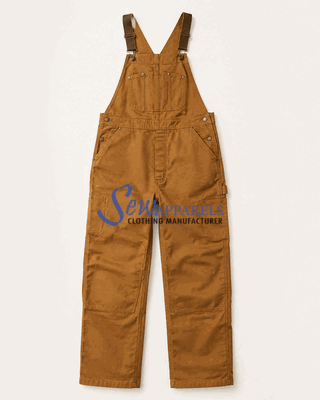
If an approved fabric or trim becomes unavailable, buyers should review the proposed alternative before bulk use. Documented approvals help preserve product identity while allowing necessary sourcing changes to be managed transparently. Buyers requiring adjustable shoulder straps and separate layering flexibility can also explore our custom bib overalls.
Develop Your Next Coverall Program
Planning a new coverall line? Share the intended job environment, reference garment or tech pack, size range, fabric and trim brief, and branding files. Our Custom Coveralls Manufacturer in Bangladesh team will review feasibility, development needs, costing and production planning.