Visibility vests developed around fluorescent contrast, reflective layouts, clear identification and practical workplace movement
Custom Hi-Vis Vests Manufacturer in Bangladesh
Custom Hi-Vis Vests Manufacturer in Bangladesh for construction, logistics, roadside, utility and facility programs, producing fluorescent mesh or solid-body vests with buyer-specified reflective layouts, closures, pockets, identification details and private labels. Explore our complete workwear manufacturing program for coordinated visibility garments, industrial uniforms and occupational apparel.
MOQ
1) 300 pieces with matching export-quality stock fabric, and 2) 2000 pieces with custom fabric per color and style.
Sampling Lead Time
10–15 DAYS
Sampling Time
Production Lead Time
15–30 DAYS
At MOQ after PP approval; quantity-dependent
ABOUT OUR HI-VIS VESTS MANUFACTURING
Hi-Vis Vests Engineered Around Visibility, Fit and Site Use
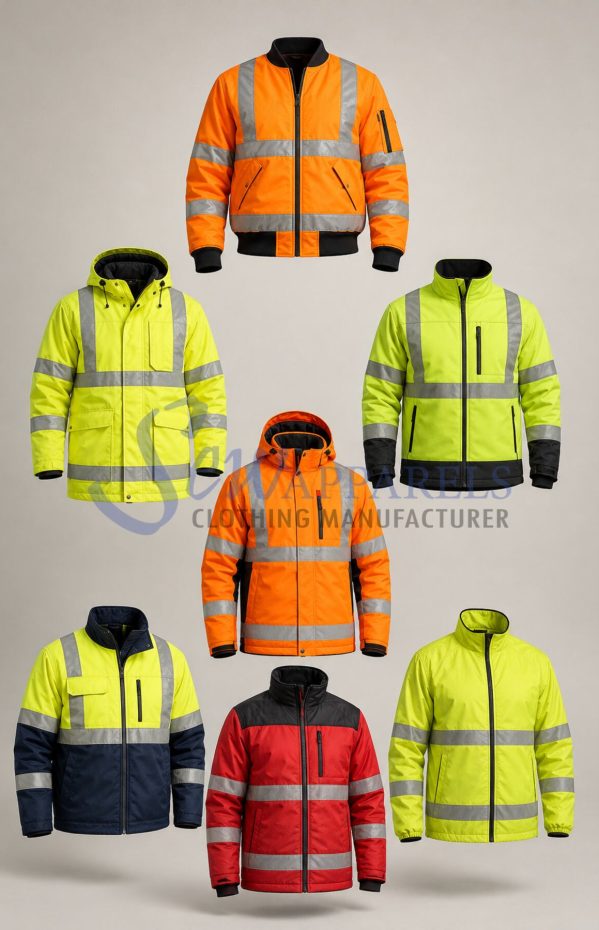
Sew Apparels is a Custom Hi-Vis Vests Manufacturer in Bangladesh developing visibility garments from buyer tech packs and safety specifications. We coordinate fluorescent shell selection, vest pattern, reflective tape mapping, closures, pockets, logo placement and size grading before bulk cutting, with testing arranged when compliance evidence is required.
Fluorescent Shell & Mesh Development
Reflective Tape Mapping by Specification
Closure, Pocket & ID Configuration
Size Grading for Layered Workwear
Our Impact
2018
Established
850+
Skilled Workers
40,000+
sq.ft Factory Area
40+
Export Countries
Technical Materials for Hi-Vis Vests
As a Custom Hi-Vis Vests Manufacturer in Bangladesh, we select body materials around visibility color, climate, layering, pocket load and the buyer’s target specification. Fabric structure, GSM, shade, finish and tape compatibility are confirmed before production.
Fluorescent Polyester Tricot
120–160 GSM smooth knit for classic waistcoat styles, print-friendly body panels and easy uniform layering.
Open-Hole Polyester Mesh
100–140 GSM ventilated construction for warm environments and physically active site roles.
Bird-Eye Polyester Mesh
120–170 GSM stable perforated knit balancing airflow, body coverage and surface structure.
Lightweight Polyester Oxford
130–190 GSM woven shell for structured utility vests with pockets, zipper fronts and reinforced attachments.
Recycled Polyester Mesh
110–160 GSM option for selected programs when verified recycled-content documentation is buyer-required.
Polyester Piqué / Mini-Mesh
130–180 GSM textured option for branded workwear where appearance and ventilation are both considered.
Hi-Vis Vest Branding & Functional Details
Branding and functional components are planned around reflective zones, pocket access and identification needs. Artwork and trims are positioned so buyer-required visibility areas remain clear and the vest stays practical for daily site use.
▦
Heat-Transfer Company Logos
▣
Screen-Printed Identification Marks
♜
Embroidery on Reinforced Zones
✓
Woven & TPU Name Patches
◈
Custom Reflective Tape Layouts
▤
Zippers & Hook-and-Loop Closures
⌂
Private Labels & Size Coding
⤢
Branded Polybags & Carton Marking
SCALABLE HI-VIS VEST PRODUCTION
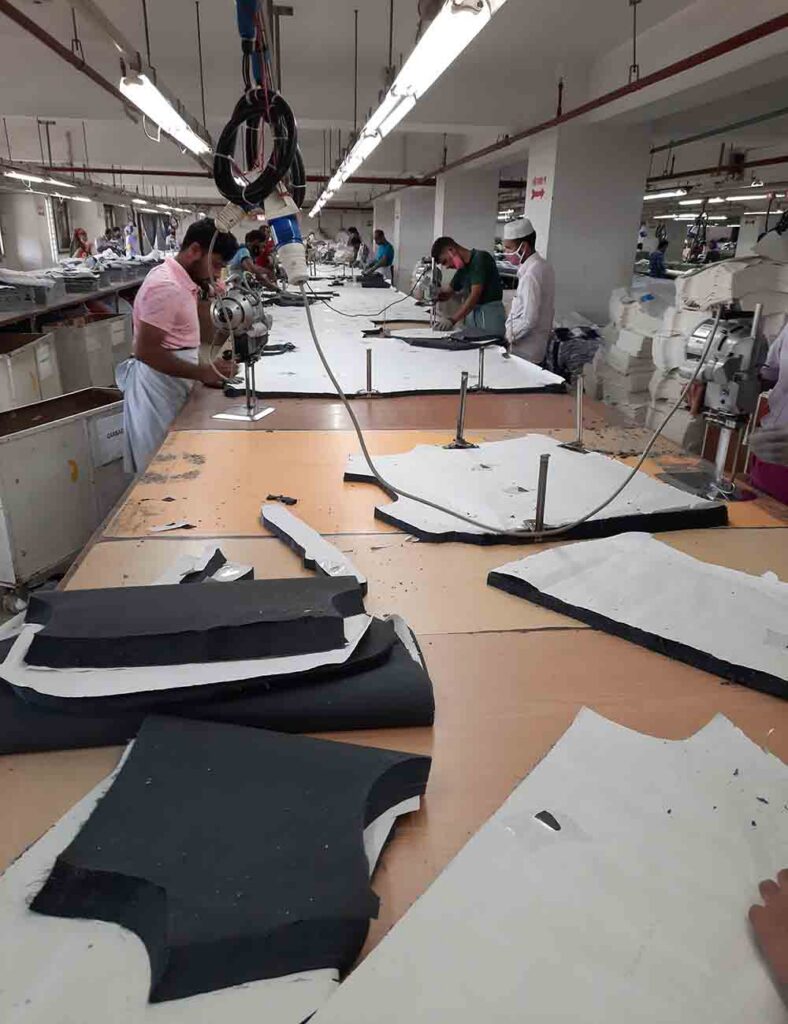
Our woven workwear team supports hi-vis vest programs through flexible line allocation, planned cutting, reflective tape application, controlled assembly, quality inspection and export coordination.
UP TO 80K
Woven Apparel Monthly Capacity
Flexible Woven Sewing Line
Allocation
Skilled Workwear
Production Team
Worldwide
Export Packing & Shipment Coordination
Our Hi-Vis Vest Production Process
As a Custom Hi-Vis Vests Manufacturer in Bangladesh, Sew Apparels confirms target visibility specification, body fabric, tape type and placement, vest dimensions, closure, pockets, identification features and branding before sampling. Approved orders proceed through material inspection, pattern control, cutting, reflective application, assembly, measurement checks, final AQL inspection, packing and shipment coordination.
Quality Control for Hi-Vis Vests
Fluorescent Fabric Shade & Surface Review
Reflective Tape Width & Position Check
Chest, Length & Armhole Measurement Control
Closure, Pocket & ID Holder Inspection
Tape Attachment & Seam Workmanship Review
AQL 2.5 Final & Packing Inspection
WHY INTERNATIONAL SAFETY WORKWEAR BUYERS CHOOSE SEW APPARELS FOR HI-VIS VESTS
Our Custom Hi-Vis Vests Manufacturer in Bangladesh supports specification-led layouts, practical fabric selection, controlled tape application, functional detailing and repeat-order documentation.
💰
Specification-Driven Visibility Layout
Fluorescent body areas and reflective bands are mapped from the buyer’s target standard before pattern finalization.
⏱
Lightweight Fabric Selection
Mesh, tricot and lightweight woven options are evaluated around climate, layering needs, pocket load and intended use.
🛡
Controlled Tape Application
Tape width, spacing, continuity and attachment are checked carefully to maintain the approved garment layout across sizes.
♻
Practical Workwear Configuration
Closures, pockets, ID holders and radio loops are developed around accessibility without obstructing required visibility zones.
⚙
Buyer-Specified Testing Support
We coordinate requested material and garment testing before buyers make compliance or performance claims for their market.
☑
Repeat-Order Control
Approved patterns, tape maps, trims, size charts and packing instructions provide stable references for future replenishment programs.
HI-VIS VESTS APPLICATIONS
Road & Traffic Operations
Visibility garments for crews working around moving vehicles and roadside tasks.
Construction & Civil Projects
Lightweight site vests for contractors, supervisors, engineers and visiting personnel.
Warehouse & Logistics Teams
Identification layers for loading zones, yards, picking areas and distribution operations.
Airport & Ground Services
Branded vests for ramp, baggage, dispatch and operational support teams.
Utilities & Field Maintenance
Practical visibility garments for technicians, inspection crews and infrastructure service staff.
Visitor & Contractor Programs
Easy-to-issue vests for temporary personnel, site visitors and external workforces.
Frequently Asked Questions
What is your MOQ for custom hi-vis vests?
1) 300 pieces with matching export-quality stock fabric, and 2) 2000 pieces with custom fabric per color and style. As a Custom Hi-Vis Vests Manufacturer in Bangladesh, we confirm final MOQ after reviewing fluorescent fabric, reflective tape, sizes, closures, pockets and testing requirements. Fully custom materials can require higher quantities.
Which hi-vis vest constructions can you develop?
We develop simple waistcoat, mesh, zipper-front, hook-and-loop, multi-pocket, executive and surveyor-style vests. Shoulder width, armhole, body length, closure position and layering allowance are adjusted to the buyer’s size chart and end use.
Which fabrics can be used for visibility vests?
Options include fluorescent polyester tricot, open-hole mesh, bird-eye mesh, lightweight polyester oxford, piqué or mini-mesh and selected recycled polyester. Final material choice depends on climate, structure, decoration, pocket load and buyer-requested testing.
Can you develop reflective tape layouts for a specified standard?
Yes. Buyers can provide the target market and required standard, after which tape width, orientation, spacing and garment coverage are developed around that specification. Compliance is not assumed from appearance; requested material or garment testing should support any formal claim.
Do you provide private labels and custom identification details?
Yes. We provide woven and care labels, size coding, heat-transfer or printed logos, approved embroidery zones, name patches, ID holders, barcode labels and branded packaging. Placement is reviewed so important visibility areas remain unobstructed.
Can you make a hi-vis vest sample before bulk production?
Yes. Samples allow buyers to review fluorescent shade, tape layout, vest dimensions, layering fit, closures, pockets, identification components and branding before bulk approval. Typical development takes around 10–15 days depending on material availability and testing needs.
What is the bulk production lead time?
Once the PP sample, fluorescent materials, reflective components and artwork are approved, we schedule the confirmed order within the normal 15–30 day production window at the applicable MOQ. Lead time depends on order quantity. Dedicated testing, custom-developed materials or complex size assortments may require additional planning time.
Can you ship hi-vis vests internationally?
Yes. We prepare export documentation and coordinate buyer-agreed sea, air or express shipment. Commercial terms can include FOB, CIF, CNF or selected DDP depending on destination, order size and logistics feasibility.
Related Products
Visibility Specifications Must Come Before Styling
A Custom Hi-Vis Vests Manufacturer in Bangladesh should identify the user environment, target market and required visibility specification before styling. Warehouse use, roadside work and high-risk traffic zones can demand different material areas, tape geometry and supporting documentation, so those requirements should shape the first pattern.
A hi-vis vest manufacturer in Bangladesh needs more than a fluorescent color reference. Buyers should state the occupation, lighting conditions, layering garments and any named standard. These inputs influence vest dimensions, reflective placement and how much body material can be interrupted by pockets or branding.
Custom hi-vis safety vests can range from basic waistcoats to multi-pocket surveyor styles. The pattern should be built around the requested visibility layout rather than adding tape afterward. Early mapping also helps keep spacing controlled when sizes are graded.
When ISO 20471 is specified, the published ISO high-visibility clothing standard sets test methods and requirements for high-visibility clothing. Sew Apparels does not treat fluorescent appearance as automatic compliance; buyers should define the requirement and obtain supporting test evidence before making claims.
Choosing Body Materials for Climate and Layering
A Custom Hi-Vis Vests Manufacturer in Bangladesh must balance visibility color with base-material behavior. fluorescent work safety vests may use tricot, open mesh, bird-eye structures or lightweight woven polyester according to ventilation, pocket load, decoration and the amount of structure required.
Solid tricot offers a clean surface for simple vest designs, while open mesh supports warm-climate use. Lightweight oxford provides more body for heavier pockets or zippers. Fabric weight alone is not enough; construction and component load need to be considered together.
mesh hi-vis work vests need controlled edge finishing because open structures can distort around binding, zippers and reflective attachment. Sampling reviews shoulder stability, armhole shape, front-edge control and how the fabric carries added components without excessive puckering.
Fluorescent shade should be assessed against the buyer’s approved reference and test requirements. Visual factory inspection cannot replace measured performance. Where formal safety claims are needed, material selection should follow verified supplier information and buyer-requested laboratory evidence.
Reflective Tape Geometry Is a Pattern Engineering Task
A Custom Hi-Vis Vests Manufacturer in Bangladesh treats reflective placement as part of pattern engineering, not decoration. Tape width, direction, spacing, edge distance and continuity should be planned before pockets, logos and closure widths are finalized in the sample.
reflective tape safety vests may use continuous or buyer-approved segmented materials depending on design and specification. The garment team controls cutting length, orientation, attachment position and panel-to-panel alignment while the tape itself follows the buyer’s requested technical requirement.
Size grading needs separate review because enlarging the body pattern can change tape-to-edge relationships. Each size is checked so reflective bands remain intentionally positioned around shoulders, chest, waist and front openings instead of drifting during grading.
Attachment quality also matters. Uneven feeding or pulling lightweight mesh can create waviness around reflective material. Inline checks therefore compare tape position, stitching and surface appearance with the approved sample before garments move to final inspection.
Building Functional Vests Without Crowding Visibility Zones
A Custom Hi-Vis Vests Manufacturer in Bangladesh must integrate storage and identification without overcrowding the vest. Buyers may request chest pockets, lower utility pockets, phone compartments, radio loops or ID windows, but each component needs a defined purpose and approved position.
multi pocket hi-vis vests require stronger local construction than a simple waistcoat. Pocket bags, zipper tape and reinforcement add concentrated weight, so base fabric, bartacks and seam allowances should be selected around expected use rather than fashion styling.
Front closures may use coil zippers, hook-and-loop tabs or open-front constructions. Zipper width affects the center line, while hook-and-loop needs enough bonding area for repeat use. ID holders should remain accessible without creating stiff movement zones.
Brand marks are positioned after the functional layout is agreed. Large embroidery or patches can cover fluorescent material, and heavy decoration may distort mesh. Logo size, backing, print process and placement are therefore reviewed before bulk artwork approval.
Fit, Layering and Movement Across a Workforce
A Custom Hi-Vis Vests Manufacturer in Bangladesh should grade vests for the clothing worn underneath, not only bare-body chest measurements. Teams may layer over T-shirts, polos, sweatshirts or jackets, so ease, shoulder width, armhole depth and length need to suit the intended uniform system.
Workforce sizing often spans a broad chest range. Oversized armholes can disturb tape alignment, while insufficient width may restrict reach or stop the front closure sitting flat over heavier garments. Size-set review helps control both fit and appearance.
Body length affects coverage and access to belts, tools or trouser pockets. Buyers should identify equipment worn with the vest during sampling so hem level, side shaping and pocket position can be adjusted without compromising the approved layout.
The HSE high-visibility clothing guidance notes that high-visibility clothing should fit properly and minimize movement restriction. That principle is useful during fitting because visibility garments still need to support bending, reaching, walking and normal site tasks.
Quality Control Must Include Material, Tape and Assembly
A Custom Hi-Vis Vests Manufacturer in Bangladesh needs quality checks that treat fluorescent body material, reflective components, trims and sewing as one garment system. Incoming inspection reviews shade, surface condition and approved references before cutting to reduce lot mixing or unapproved substitutions.
Reflective materials are checked against purchase specifications, while production teams control tape width, cutting length and position. Inline inspectors review alignment at front openings, side seams and shoulders together with puckering, skipped stitches and edge lifting.
Care instructions should follow verified material information because laundering can affect shade, tape appearance, prints and trims differently. Where buyers require performance after care cycles, the test method and acceptance criteria should be agreed before bulk production.
Final inspection covers measurements, closures, pocket function, workmanship, labeling, packing and approved visibility layout. AQL 2.5 may support final sampling under the agreed plan, while safety-performance claims remain subject to the buyer’s specified standard and evidence.
Planning Private-Label Vest Programs for Repeat Procurement
Choosing a Custom Hi-Vis Vests Manufacturer in Bangladesh can simplify repeat procurement across contractors, branches or job sites. private label hi-vis vests can combine approved fluorescent materials, reflective layouts, company identification, size coding and packing rules within one controlled specification.
wholesale reflective safety vests are often repeated across broad size ranges, so procurement should separate permanent garment specifications from order-specific details. Stable patterns, tape maps, trim codes and artwork positions help later replenishment stay aligned with the approved reference.
An industrial high visibility vest supplier should manage identification logically. Departments may use different logo colors, printed roles, ID windows or barcode labels while sharing one vest body. Defining those variants early reduces packing errors and simplifies site distribution.
For bulk safety vest production, Sew Apparels can work from tech packs, samples, measurement sheets or buyer specifications. Sampling confirms material, dimensions, tape layout, pockets and branding before bulk approval, while repeat-order records support importers, distributors and uniform programs.
Develop Your Next Hi-Vis Vest Program
Send your target safety specification, size chart, body fabric, reflective tape requirements, pocket plan, branding or physical reference to our Custom Hi-Vis Vests Manufacturer in Bangladesh team for sampling, testing coordination and bulk costing.
For a sleeved outer layer, explore our custom hi-vis work jackets.