Custom apparel manufacturer
Corporate Uniform Manufacturer in Bangladesh
Sew Apparels is a corporate uniform manufacturer in Bangladesh for organisations, uniform distributors and procurement teams. Coordinate polos, shirts, trousers and jackets around staff roles, company identity and repeat orders.
MOQ
BY PRODUCT
Per design / colour
Sampling Lead Time
10-15 CALENDAR DAYS
Sampling Time
Production Lead Time
15–30 CALENDAR DAYS
At applicable MOQ after PP approval
CORPORATE UNIFORM PROGRAMMES
One Company Identity, Different Staff Roles
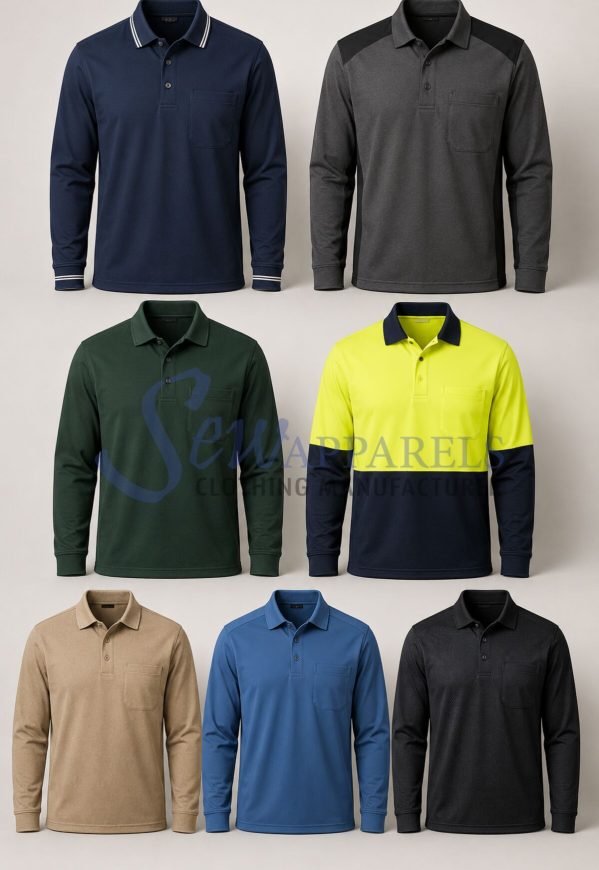
Start with a role-by-role garment list, working environment and laundering requirements. We coordinate product selection, staff sizing, company branding and departmental packing through one approved brief.
Role-Based Garment Selection
Department and Staff Size Planning
Company Logo and Colour Control
Repeat-Order Specifications
Our Impact
2018
Established
850+
Skilled Workers
40,000+
sq.ft Factory Area
40+
Export Countries
Materials for Staff Uniform Requirements
Select materials for each garment’s role, appearance and care routine. Knit items require customized fabric; woven stock-fabric or custom-fabric options follow the relevant product’s MOQ.
Work Polo Fabrics
Confirm composition, weight, collar construction and regular care requirements.
Work Shirt Fabrics
Review opacity, hand feel and the intended structured appearance.
Trouser Materials
Define movement, pocket construction, waist sizing and fabric requirements.
Jacket Materials
Allow for the garments worn underneath and the expected working conditions.
Company Colours
Approve shades on actual knitted and woven materials before production.
Care Requirements
Agree washing instructions and intended use with the garment specification.
Branding and Finishing Options
Supply company logo artwork, placement, dimensions and colour references. Review logos on the actual garment materials and confirm labels, department identifiers, packing and carton markings in advance.
Use our uniform logo placement across garments guide to coordinate measurements, logo scale and clearances across polos, shirts and jackets.
Explore our corporate uniform buying guides to coordinate staff sizing, company branding and repeat orders in one development brief.
▦
Logo Embroidery
▣
Approved Printing
♜
Woven and Printed Labels
✓
Artwork Placement
◈
Private Labels
▤
Size Identification
⌂
Hang Tags
⤢
Branded Packaging
Coordinated Production and Export Support
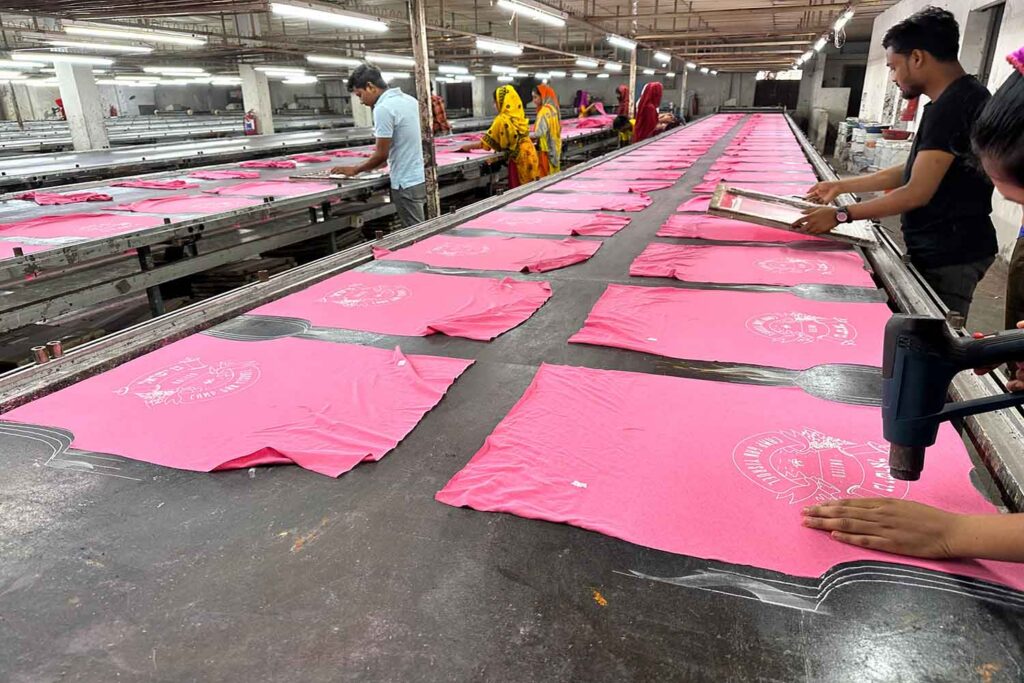
Production planning follows the selected garments and their quantities. Retain approved measurements, artwork and fabric references for future uniform orders.
580K
Pieces Monthly Across Our Product Range
Experienced
Production Team
Order-Based
Production Line Allocation
Worldwide
Export Support
From Product Brief to Shipment
Quotation, sampling, approval, fabric preparation, production, inspection and packing follow the confirmed brief. See our apparel manufacturing process for the stages through shipment.
Inquiry
Quotation
Sampling
Approval
Production
Quality Control
Packing
Shipment
Quality Control at Every Step
Fabric Inspection
Inline Quality Control
Endline Quality Control
AQL Final Inspection
Needle Detection
Packing Inspection
SUPPORT FOR UNIFORM PROCUREMENT TEAMS
Clear garment specifications and departmental allocations help keep staff uniforms consistent across approval, production and distribution.
💰
Product Engineering Support
Develop fabric, fit, construction and measurements around the approved product brief.
⏱
Custom Development Flexibility
Review every garment style separately and coordinate its place in the overall programme.
🛡
Consistent Color and Trims
Approve fabric shade, trim colours, labels and decoration on the actual materials.
♻
Controlled Printing Quality
Check artwork scale, placement and colour against the approved sample before bulk application.
⚙
Export Documentation Assistance
Commercial documents, packing details and shipment coordination are prepared according to the buyer’s selected delivery terms.
☑
Responsive Order Communication
Buyers receive regular updates throughout sampling, material preparation, sewing, inspection, packing and final order dispatch.
CORPORATE UNIFORM APPLICATIONS
Customer-Facing Teams
Garments selected for company presentation and everyday use.
Office Staff
Coordinated shirts, polos and trousers based on role requirements.
Operational Teams
Work garments planned around movement and the working environment.
Branch Programmes
Size and garment allocations organised by location.
Repeat Uniform Orders
Approved references retained for future quotation and production review.
Frequently Asked Questions
What is the MOQ for a corporate uniform programme?
MOQ follows the selected product, fabric, design and colour. A combined programme does not automatically share one minimum across every garment.
Can departments order different garments?
Yes. Provide a department-by-department allocation and we review each garment style and colour separately.
What fabric options apply?
Knit items require customized fabric. Woven stock-fabric and custom-fabric options are reviewed under each product’s MOQ rules.
How should staff sizes be submitted?
Use one approved measurement chart per garment and list quantities by department, style, colour and size.
Can you apply our company branding?
Yes. Provide artwork, dimensions, placement and colour references for approval on the actual materials.
How long does sampling take?
How long is bulk production?
Can you pack by branch or department?
Specify allocations and carton markings during quotation. Packing arrangements are confirmed with the order.
Related Products
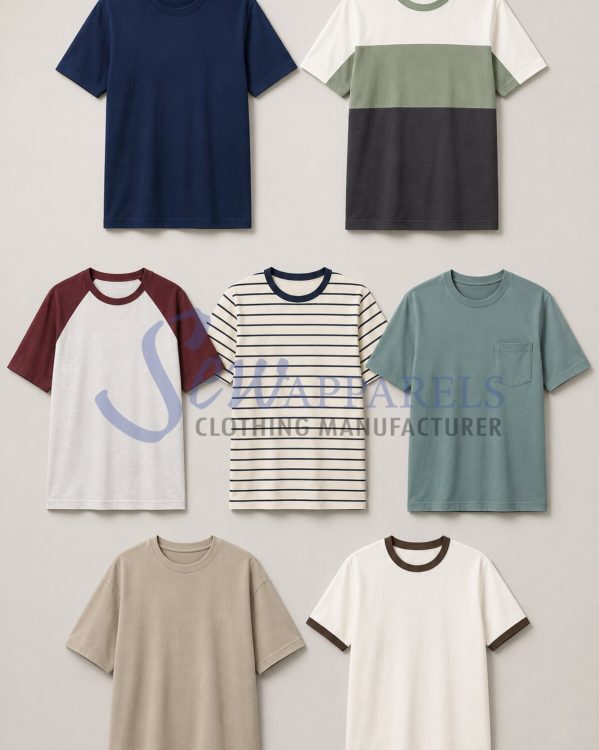
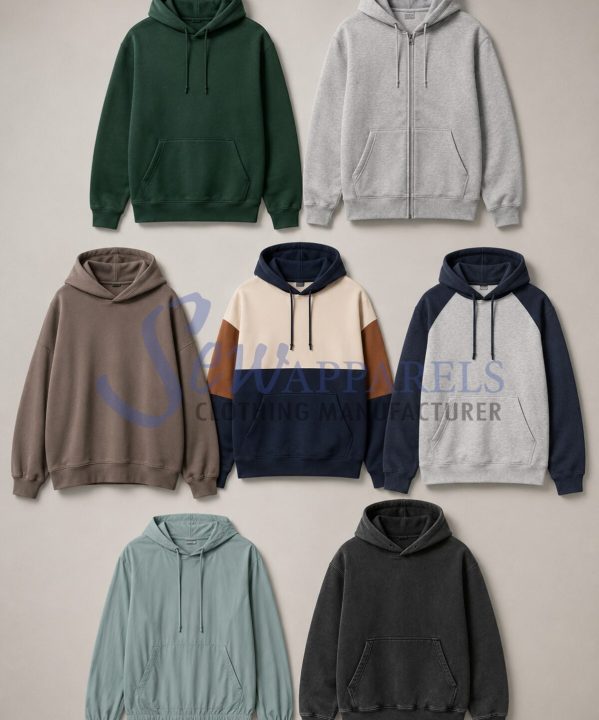
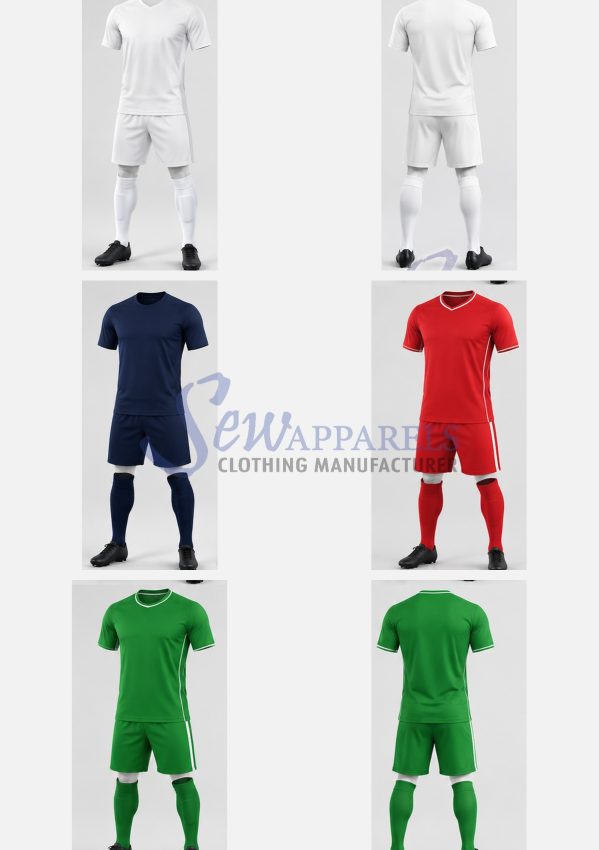
Corporate Uniform Manufacturer: Select Garments for Each Staff Role
Customer-facing, office and operational teams may need different garments while sharing one company identity. Record the working environment and preferred appearance for each group.
Build a garment matrix with one row for each staff role and columns for indoor or outdoor work, movement, appearance, layering and care. Distinguish ordinary corporate clothing from garments intended to provide certified protection. A corporate uniform manufacturer needs the actual product brief before assessing any protective requirement; a shared colour or logo does not make a polo, shirt or jacket protective equipment. Include separate fit and wearer needs instead of choosing one garment for everyone.
Review Our Workwear Product Range
Our workwear manufacturing range covers the individual garments. This programme coordinates staff sizing, logos, departmental allocation and repeat-order references.
Compare the relevant product pages before combining an order: a knitted polo, woven shirt and outer jacket have different constructions and approval points. Record fabric composition, weight, finish, trim and intended care for each style. For US-bound programmes, review the FTC’s clothing and textile guidance with the responsible importer. Identify applicable requirements and exemptions for the actual sales route; this reference does not certify the garments or establish compliance in every destination.
Organise Staff Sizing Before Cutting
A general headcount is not a production breakdown: one employee may need several items and different top and trouser sizes. Confirm quantities by garment, colour and size before cutting.
Use anonymous wearer codes in the production breakdown rather than unnecessary personal information. Separate body measurements from finished-garment measurements and agree how each point is measured, including its tolerance. Trial representative sizes in sitting, reaching and bending positions, then check the planned layers. Send the approved chart and allocation revision to your corporate uniform manufacturer together so a later headcount change does not silently alter the size ratio. Keep a signed approval reference before cutting.
Keep Company Branding Consistent
A colour code can look different on a woven shirt, knitted polo and embroidered logo. Approve the actual fabric and decoration references together.
Create one logo approval record containing artwork version, dimensions, placement from a named seam or landmark, thread or print colour and the garment material. Review the logo on every materially different fabric rather than transferring approval from a polo directly to a jacket. Compare visibility at the intended viewing distance and inspect the reverse of embroidery for wearer comfort. Keep photographs and physical approved references together so repeat orders can be checked against the same decision.
Confirm MOQ for Each Product
Knit items require customized fabric. Woven stock and custom options follow the selected product’s MOQ. Combining garments does not remove individual minimums.
Ask for a quotation breakdown by style, colour and material route. Separate garment quantity from any fabric, trim or decoration minimum and identify development or setup charges where applicable. Do not divide a programme total across unrelated styles and assume each becomes feasible. If the required quantity is below the relevant minimum, discuss a revised specification or release plan before committing a launch date. Confirm the final MOQ and approval conditions in writing; published guidance is not an order-specific offer.
Prepare Repeat-Order References
Retain the original style code, approved size chart, fabric specification, artwork and packing instructions. Replenishment quantities and material availability are reviewed again for each enquiry.
Give each approved combination a revision-controlled record: style code, pattern or measurement chart, fabric and trim references, artwork, care requirements and packing allocation. The corporate uniform manufacturer and buyer should identify what changed when a replacement fabric or component is proposed. Assess the finished combination rather than assuming unchanged care from one component. The FTC’s care-label guidance discusses evidence for care instructions and exemptions, including certain employer-purchased institutional uniforms. Confirm applicability with the responsible importer; an exemption does not establish durability or safe industrial laundering.
Plan Distribution and Delivery
Specify branch or department packing, garment identification and carton markings. Confirm shipping and required delivery dates separately from production lead time.
Calculate quantities by garment, size and branch, and reconcile the carton plan to the approved order total. State whether delivery means factory dispatch, arrival at the destination port or delivery to each location. Add the required transport and clearance allowance rather than treating sewing time as the arrival date. Agree how shortages, changed allocations and replacement sizes will be handled before shipment. A carton-level reference helps the receiving team compare what was ordered, dispatched and actually received.
Plan Your Corporate Uniform Programme
Send your garment list, staff sizes, quantities, logo files and destination. Our corporate uniform manufacturer team will review the product requirements and order schedule.
