
SEW APPARELS · DEVELOPMENT RESOURCES
Corporate Uniform Buying Guides
Corporate uniform buying guides help procurement teams connect garment selection, staff sizing and company branding before ordering. A programme may include polos, woven shirts, trousers and jackets with different fabrics and construction. Start with the working environment, staff activity, climate, expected wear and cleaning route. Review the range together while keeping each product specification separate. Identify which branding rules can be shared and which placements or construction details need individual approval. Review fabric, decoration and fit in the finished sample, then retain the approved references with the department allocation for repeat orders and replacements.
Separate common uniform standards from style-specific decisions. Record the approved logo file, decoration route, garment colour, placement tolerance and laundering checks. Keep these corporate uniform buying guides with the seven focused articles, garment list, department quantities, artwork revisions and approved samples. This shared record supports quotation comparisons, delivery review and replacements while retaining each department’s fit requirements. Before freezing purchase quantities, reconcile confirmed fitting choices, independently selected component sizes, department entitlements and approved reserves. Give every unresolved exception an owner and decision date rather than inserting a guessed size to complete the order.
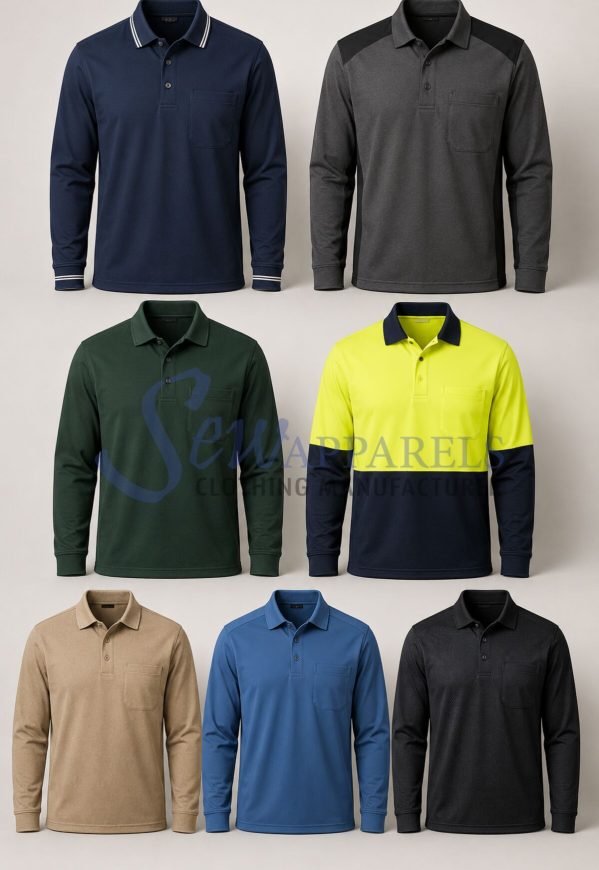
1. Coordinate logo placement across garments
Review logo dimensions, measurement references, pocket clearances and worn appearance across polos, shirts and jackets. The detailed article shows how a shared company identity becomes a separate, traceable decoration specification for each garment.
Read the uniform logo placement guideUniform Sizing: Fit Trials and Bulk Order Allocation
Confirm each garment size independently, reconcile department issue quantities and reserves, and approve a traceable allocation worksheet before production.
Read the bulk order size allocation guideUniform Reorders: Approved Versions and Component Changes
Align retained samples, material and trim substitutions, label files and revision approvals before releasing a repeat corporate uniform order.
Read the repeat order specification guideMulti-Site Uniforms: Shared Orders and Branch Allocation
Reconcile branch demand, compatible styles, separate variants and delivery groups before approving a consolidated corporate uniform purchase.
Read the multi-site order consolidation guideUniform Laundry: Care Routes and Garment Compatibility
Compare employee and managed care, review finished-garment evidence, and document laundry provider responsibilities before approving the uniform programme.
Read the laundry route selection guideUniform Changeovers: Retiring Styles and Approved Replacements
Review usable stock, replacement pilots, mixed-version compatibility and phase-in quantities before retiring a corporate uniform style.
Read the discontinued style transition guideUniform Samples: Ownership, Custody and Approval Records
Identify approved references, track sample handovers, and agree testing, retention and return permissions before production and inspection.
Read the sample ownership records guideHow to Use These Corporate Uniform Buying Guides
Begin with a role-by-role garment matrix. List the staff function, workplace, seasonal layers and intended care routine for every item. Reception staff and operational teams may share company colours while needing different fits or fabrics. Confirm whether a garment is everyday uniform clothing or requires a separately specified protective function; a company logo does not establish protective performance.
These corporate uniform buying guides are most useful when the matrix also names the decision owner. Identify who approves fit, artwork, commercial terms and departmental allocations. Keep outstanding decisions visible before sampling begins. A clear approval route helps prevent a late change to a shirt colour from conflicting with an already approved polo or jacket. For multi-site uniform orders, collect branch demand in the same units and revision. Consolidate only compatible garments; location-specific fits, decoration or delivery dates still need separate lines. Name the person who resolves shortages and the date after which changes require a revised approval.
Plan Staff Sizing, Fit and Layering
Staff uniform sizing should follow garment measurements and fit trials rather than assuming that one size label means the same thing across every style. A fitted woven shirt, relaxed polo and outer jacket need separate size charts. Record the intended measurement method and units. Include the clothing worn underneath when evaluating jacket ease and sleeve movement.
Use the corporate uniform buying guides to organise representative fitting feedback before final quantities are confirmed. Check reach, sitting comfort, hem coverage and closure behaviour during the intended tasks. Maintain a controlled allocation sheet by garment code, size and department. If employee requirements change after approval, record the revision and its effect on the order instead of silently replacing the original quantities. Keep a wearer’s chosen shirt and trouser sizes separate, and distinguish normal staff entitlement from replacement reserves. Confirm totals against the approved department headcount. Use coded fitting records with access limited to the people who need them; avoid circulating unnecessary employee measurements in general purchasing documents.
Build a Consistent Company Branding Standard
A shared logo does not require identical placement measurements on every garment. Plackets, pockets and seams change the available decoration area. Approve finished artwork width and height, reference points, colour and orientation for each style. Madeira’s corporate fashion guidance recommends reviewing embroidery on the original fabric and retaining the relevant production information for follow-up orders.
These corporate uniform buying guides connect that sample review to the wider uniform range. Compare decorated garments side by side and check the inside finish as well as the visible face. Madeira’s hooping guidance explains why stable fabric positioning matters and cautions against stretching the material during hooping. Ask for a suitable trial on the actual fabric instead of treating one embroidery setup as universal.
Approve Samples, Packing and Repeat Orders
A corporate uniform sample approval should cover fabric shade, finished measurements, construction, decoration, labels and the intended care instructions. Separate a fit approval from final artwork approval when different samples are used. Identify the reference garment and revision on each comment sheet, and confirm which outstanding changes must be incorporated into the pre-production sample. Agree who owns each physical uniform sample and who holds it during testing, decoration and inspection. Record handovers, permitted destructive testing and return arrangements. A photograph may support identification but cannot replace a physical reference where fit, fabric handling or workmanship is being assessed.
Keep these corporate uniform buying guides with the approved order pack. Plan department or branch packing using garment codes, sizes and quantities that match the allocation sheet. Retain colour references and physical samples for replenishment discussions. A repeat order still needs review if the material, pattern, logo file or supplier component changes; an old purchase order alone cannot communicate every approved detail. Review the laundry route before replenishment: home care and a managed laundry service may expose garments to different processes. Record the intended cycle and finished-garment evidence rather than assuming decoration compatibility. When a style is discontinued, count usable stock, pilot the replacement and approve the phase-in plan before ordering quantities that could leave departments with incompatible versions.
Low MOQ Corporate Uniform Manufacturer Planning
Buyers seeking a low MOQ corporate uniform manufacturer should separate quantities by product, design and colour before asking for a quotation. Our corporate uniform manufacturing team confirms minimums according to the selected garment and fabric; a combined programme does not automatically share one minimum across every item. Use these corporate uniform buying guides to prioritise the essential styles and discuss stock or custom material options where applicable. Confirm sampling charges, decoration setup, size distribution and replenishment terms in writing before approving an initial programme.
Development Support for Startup Brands and Companies
Sew Apparels welcomes startup brands, uniform businesses and growing companies that need organised development support. Begin with your staff roles or target customers, garment list, logo files, budget and launch timing. These corporate uniform buying guides help turn those inputs into questions the sampling team can resolve. Start with a focused range, approve representative garments and keep changes traceable. Confirm the development scope, costs and product-specific order requirements early so the first collection or staff issue follows a realistic plan.
Turn your uniform programme into a product brief
Bring the garment matrix, staff size allocation, artwork package and target delivery requirements together before requesting development support. Keep the corporate uniform buying guides beside the approved samples so procurement, decoration and packing teams can work from the same product decisions.
Explore corporate uniform manufacturing