
SEW APPARELS · BUYER RESOURCES
Bucket Hat Buying Guides
Bucket hat buying guides help brands connect the shape they want with the fabric, brim construction and sampling decisions needed to produce it. Start with the intended wearer, wearing conditions and target price, then document the details that make the design recognisable. A relaxed summer hat, a reversible promotional style and a more structured fashion product can require different development choices. This resource brings those choices together before the technical pack is finalised, with practical guidance for evaluating samples and preparing a clear manufacturing enquiry. Use the focused articles below when a particular construction decision needs closer attention.
Our bucket hat buying guides support a coordinated brief rather than a collection of disconnected reference pictures. Record the crown size, brim shape, decoration position and preferred material alongside your expected quantities and colour range. If one feature changes during development, review its effect on the complete hat before approving the revision. The Sew Apparels custom bucket hat manufacturing page provides the commercial product information, while this guide explains how to organise the decisions behind an enquiry. Keeping these roles connected helps your team discuss construction, presentation and sourcing requirements with the same set of current specifications.
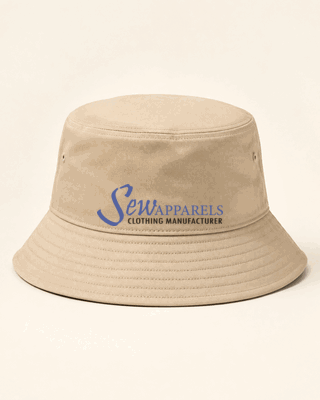
Brim structure: from width to foldability
Compare brim measurements, stitch row spacing and folding behaviour with a seven-step construction review, an annotated example and a buyer decision table.
Read the brim structure guideCrown ventilation: eyelets, airflow and finish
Review crown eyelet type, placement and finishing to balance airflow with the intended bucket hat appearance. Use the technical guide to check a sample before approving production.
Read the crown ventilation guide1. Reversible Bucket Hat Quotation Comparison
Define both wearing faces, separate material commitments, reversible labour, label and decoration costs, and compare sampling, packing and exclusions before approving the version.
Read the reversible quotation guide2. Adult Bucket Hat Chin Cord Usability
Define the adult-use context, compare detachable, fixed and no-cord samples, and check reachable adjustment, loose-end movement, contact, storage and instructions before approval.
Read the chin cord usability guide3. Bucket Hat UPF Claim Verification
Match the proposed UPF wording to the tested material, colourway, sample identity, design coverage, destination market and change controls before approving labels.
Read the UPF claim verification guide4. Water Repellent Bucket Hat Claim Testing
Separate surface wetting from water penetration, map seams and eyelets, verify performance after agreed care, and approve rain-related wording only within the evidence.
Read the water-repellency claim guide1. Define the bucket hat silhouette and size range
Begin bucket hat buying guides with the finished silhouette. Describe whether the crown is shallow or deeper, how the brim slopes and whether its width remains consistent around the hat. Establish the intended size range using finished measurements and a clear measuring method. A reference photograph can explain the mood, but it cannot replace dimensions or sample approval. Check the front, side and back views on representative wearers or agreed display forms. Record any deliberate asymmetry so the pattern team can distinguish a design feature from an unintended variation when developing the first sample for review.
Review size and proportion together instead of simply increasing every measurement by the same amount. Tilley's Traveler Wide Brim Bucket Hat provides one product-specific example of different brim widths for different size groups. Those published dimensions are useful context, not a universal bucket hat specification. Your own size set should demonstrate the intended crown fit and brim balance in each offered size. Through these bucket hat buying guides, use actual samples to confirm the relationship between the head opening, crown depth and finished brim rather than approving a scaled drawing alone for every size.
2. Compare fabric, reinforcement and brim construction
Fabric selection affects the way a bucket hat hangs, folds and presents its decoration. Identify the shell and underside separately, then state whether the style needs reinforcement, lining or a reversible finish. A lightweight synthetic fabric and a heavier woven cotton may produce different results even when cut from the same pattern. Bucket hat buying guides should therefore help buyers compare complete constructions, including the crown-to-brim seam and outer edge finish. Ask the sample team to document all layers in the bill of materials so an apparently minor substitution does not change the approved silhouette without review.
Consider stitching and material as connected decisions. Flexfit Europe's Water Repellent Bucket Hat describes a sloping brim with decorative seams and creasable nylon fabric, illustrating one combination rather than a rule for every design. Agree the number and spacing of stitch rows on your own sample, then assess puckering, edge waviness and the finished handling. These bucket hat buying guides encourage a practical comparison between alternatives made for the same brief. If packability matters, specify a folding sequence and recovery review instead of assuming that a soft fabric automatically guarantees the desired result.
3. Plan decoration, ventilation and a comfortable finish
Place the logo in relation to the finished crown and the way the hat will be worn. Give embroidery or patch artwork an actual size, orientation and location measured from a named seam. Review the decorated sample after construction because curvature and seam bulk can change the apparent position. Bucket hat buying guides also need to account for labels, internal attachments and the underside finish, especially when a reversible product is planned. Confirm which details should remain visible on each side and check that the approved branding method works with the selected material and intended care instructions.
Ventilation details should be specified as part of the complete crown rather than added as an afterthought. Identify the proposed eyelet type, position and finish, then review the inside surface and surrounding stitching on a finished sample. Where lining is included, discuss its coverage and attachment with the sample team so it does not conflict with the intended airflow or comfort. Use bucket hat buying guides to keep these decisions coordinated with crown depth, decoration and head opening measurements. Record the approved arrangement in the technical pack and evaluate any later material change against the same wearing expectations.
4. Low MOQ bucket hat manufacturer: plan realistic quantities
Brands searching for a low MOQ bucket hat manufacturer should begin with the available fabric route and the number of colours in the collection. Sew Apparels currently lists a minimum of 500 pieces per colour and style using stock fabric, and 5,000 pieces per colour and style for custom fabric. These are different sourcing routes, so a small launch should not assume that a custom-developed material carries the stock-fabric minimum. Our bucket hat buying guides recommend confirming fabric availability, decoration requirements and the proposed size split together before treating any preliminary quantity discussion as a final production agreement.
A smaller order becomes easier to evaluate when the brief limits unnecessary variation and makes essential features clear. Consider whether an available fabric can deliver the intended feel and silhouette before requesting a new development. Separate sampling charges, decoration setup, packaging and other quoted items so the brand understands what is included. These bucket hat buying guides support informed comparisons; they do not promise an unconfirmed price or an exception to published minimums. Ask the team to review your proposed quantities and colourways, then document the agreed commercial terms alongside the approved construction details before placing an order.
5. Support for startup brands and first collections
Sew Apparels gives startup brands priority in the enquiry and development discussion, helping new teams organise the information needed for a workable manufacturing brief. Bring the product concept, target customer, budget range, artwork and expected launch timing, even if some construction decisions still need refinement. Bucket hat buying guides can help a first-time buyer turn those ideas into questions about fabric, sizing, decoration and sampling. Confirm the scope and cost of any development support with the team rather than assuming that a service is automatically included. Clear decisions at this stage help both sides understand the proposed collection.
6. Approve samples, timing and the final production brief
Allow time for construction review before fixing a launch date. Sew Apparels lists sampling at approximately 10–15 days and production at approximately 15–30 days at the minimum order quantity after pre-production sample approval, with timing dependent on the order and its requirements. Confirm the current schedule for your actual brief. Bucket hat buying guides should finish with an approved sample revision, bill of materials, finished measurements, artwork, packing instructions and an agreed inspection reference. Keep those records together so a repeat order can be assessed against the documented product rather than a photograph or an informal description.
Turn your development decisions into a product brief
Bring your size range, material preferences, brim requirements and artwork to the product enquiry. A coordinated brief gives the team a clearer basis for sampling and quotation.
Explore custom bucket hats