
Multi site uniform order consolidation helps a business combine demand from several branches without losing control of what each location needs. A larger purchase order can simplify coordination, but it does not make every garment, colour or delivery requirement interchangeable. The useful starting point is a verified site-by-site demand record that can be grouped by compatible production requirements.
A corporate uniform programme may include office shirts, service trousers, reception garments and department-specific branding. Buyers need to decide which quantities can share an approved specification and which must remain separate. These six checks turn scattered branch requests into a purchasing brief, a realistic quotation and a traceable allocation plan.
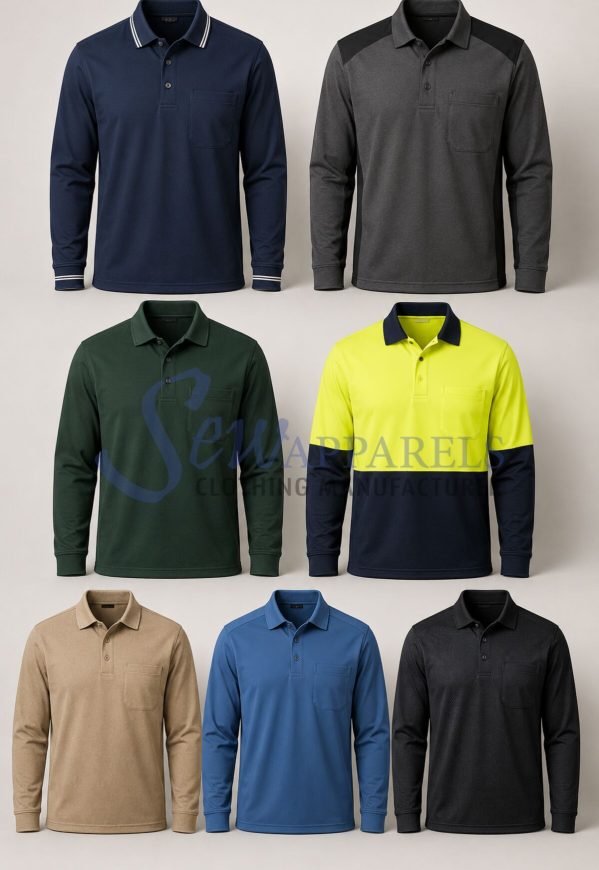
1. Build a reliable multi site uniform order consolidation matrix
For uniform site order consolidation, begin with the people and garments being supplied. Assign a stable code to each branch and record the required style, version, colour, size and issue quantity. Separate confirmed requests from estimates. A uniform multi site quantity matrix should also identify reserves, replacements and any deadline that changes the delivery plan.
Uniform branch quantity aggregation is more reliable when every site uses the same definitions. “Twenty staff” is not the same as twenty garments if each employee receives three shirts. Use bulk-order size allocation to confirm whether requests describe employees, pieces or complete sets. Treat shirt and trouser sizes independently when their allocations differ.
Ask branches to identify existing usable stock before approving new quantities. Deduct stock only when the version, condition and size are appropriate for the intended issue. Avoid reducing one branch’s order because another location reports excess garments that cannot realistically be transferred or worn.
Multi site uniform order consolidation should retain the underlying branch records after totals are calculated. A procurement team needs to explain how the master quantity was built and how late changes affect it. Give each approved matrix a date, revision and responsible reviewer so obsolete submissions do not silently enter production.
2. Pool compatible requirements and isolate genuine variants
A multi site uniform bulk order can share production where fabric, colour, construction, sizing and decoration requirements are compatible. Compare the actual specification, rather than grouping garments simply because they are called corporate uniforms. Similar photographs can hide different fabric compositions, measurements or pocket arrangements.
Identify site specific uniform variants before requesting uniform shared style minimums. A branch-specific embroidery, contrasting collar or unusual trim may introduce its own setup or material requirement. Confirm with the supplier which minimum applies to the style, fabric, colour, trim or decoration process. Do not assume one aggregate garment total satisfies every component minimum.
Regional uniform garment sharing works best for an approved common version with predictable replenishment needs. It becomes less practical when local branding, wearer requirements or material differences prevent interchangeability. A uniform order pooling decision should document the compatible quantities and the exceptions, including the reason each exception remains separate.
Use multi site uniform order consolidation to reduce ambiguity, not to force incompatible garments into one specification. When discussing corporate uniform manufacturing in Bangladesh, supply the shared requirements and the variant schedule together. Ask for written confirmation of the production groupings before treating the combined volume as an agreed commercial basis.
3. Compare quotations on the same purchasing scope
A uniform consolidated quotation should identify quantities by approved production group and show any separate setup, sampling, decoration, packing or delivery charges. A low average garment price may omit costs that another quotation includes. Compare the same specifications and allocation requirements before deciding which offer provides better value.
For custom corporate uniform manufacturing, describe how branch variants relate to the common garment. If a supplier prices an undecorated base style but the buyer expects different branch logos, the quotation is incomplete. Request clarity on artwork approvals, minimums, repeat charges and the effect of a late branch addition.
Multi site uniform order consolidation also needs a common delivery basis. A quotation to one central warehouse differs from delivery to several branches. Freight, customs handling, insurance and local distribution can change the total purchasing cost. Ask who arranges each movement and which costs are included rather than assuming that “shipping included” covers every destination.
The International Trade Administration’s overview of Incoterms explains how these rules allocate transport-related tasks, costs and risks between buyers and sellers. They do not settle every sale condition, payment term or transfer of ownership. Specify the agreed rule, named place and version where applicable, then document branch distribution and other commercial terms separately.
4. Convert the master total into a controlled packing plan
Multi location uniform pack allocation connects production quantities with receiving requirements. Decide whether goods will be packed by site, department, style or size. Site-ready cartons can simplify issue at branches, while central stock may offer flexibility for future transfers. The choice should reflect actual distribution arrangements and receiving capacity.
A uniform delivery group split should identify the destination, packing reference, quantities and dispatch sequence for each group. Keep reserve stock visible instead of hiding it in an arbitrary branch allocation. Where garments travel to a central warehouse first, distinguish the inbound packing structure from the later branch issue records.
Within multi site uniform order consolidation, carton identification must connect physical goods to the approved allocation. Include appropriate references for site, garment version and contents. Check the label format with the receiver before packing, especially if barcode scanning or a particular warehouse system is expected.
GS1 Sweden’s pallet label guidance explains that GS1 pallet labels contain both barcoded information and its plain-text representation, with the logistic unit’s SSCC included in the barcode. Apply the relevant GS1 requirements where that system is used. An internal branch code alone is not an SSCC, and a pallet identifier does not replace a detailed garment allocation record.
5. Reconcile a worked allocation before release
The example below illustrates a common shirt version ordered for three branches. It is a fictional planning exercise, not Sew Apparels production data, a supplier minimum or a recommended reserve percentage. Each branch has confirmed individual garment demand; a separately approved central reserve is then added.
| Allocation | Small | Medium | Large | Total pieces |
|---|---|---|---|---|
| Branch A | 12 | 18 | 10 | 40 |
| Branch B | 8 | 14 | 8 | 30 |
| Branch C | 5 | 10 | 5 | 20 |
| Central reserve | 2 | 3 | 5 | 10 |
| Approved total | 27 | 45 | 28 | 100 |
Uniform consolidated order reconciliation checks both directions: site totals add to the purchase quantity, and size totals describe the same hundred pieces. The reserve is counted once. If Branch B later adds six shirts, revise the affected size and branch records together rather than changing only the headline total.
Multi site uniform order consolidation must also reconcile variants outside the shared group. Suppose a separate reception blouse is required for one location. It belongs in its own approved line with its own specification and quantities; it should not be counted as part of the shared shirt total merely to make a minimum look satisfied.
Regional staff uniform allocation benefits from a clear ownership rule for reserve stock. Record who can authorise transfers and how quantities are updated after issue. A central reserve allocated to a branch becomes a stock movement, not an additional garment manufactured. Keeping those records separate prevents double counting during replenishment planning.
6. Close exceptions and approve the combined brief
For multi site uniform order consolidation, a combined uniform purchase brief should include the approved matrix, shared specifications, variant schedule, packing instructions and delivery responsibilities. Assign an owner to each unresolved item. Branch uniform order exceptions may involve an unconfirmed size, different logo, special delivery date or unavailable material; each needs a recorded decision.
For private label corporate uniform production, ensure the approved labels and artwork correspond to the intended version and destination. A consolidated order can contain several label files, but production must know which file applies to which goods. Use sample approvals to resolve practical differences before bulk manufacturing.
Release multi site uniform order consolidation only after the required quantity and specification approvals are complete. Define a cut-off for branch amendments and agree how changes after that point affect cost, scheduling or packing. A supplier cannot reliably work from a moving spreadsheet without a clear approved baseline.
Startup businesses and growing regional operators can discuss a phased programme with their supplier. Shared materials or a common base style may support a practical order structure, but low minimum quantities and delivery commitments depend on the actual requirements. Confirm the arrangement in writing rather than promising a universal minimum or automatic cost saving.
Common consolidation questions
Will combining branches always reduce the garment price?
No. Compatible quantities may improve purchasing efficiency, but extra variants, decoration setups, packing and distribution can offset savings. Compare complete quotations and relevant minimums rather than relying only on the combined piece count.
Should every branch receive identical uniforms?
Only where the approved role, fit, branding and local requirements support a common version. Preserve necessary differences in a variant schedule. Standardisation is useful when it serves the programme, not when it removes a legitimate wearer or receiving requirement.
Can the reserve be counted in more than one site plan?
No. The purchase matrix should count each garment once. A central reserve can later be transferred, but the receiving site’s stock and the central balance must change together. Record the movement so subsequent replenishment reflects real available quantities.
Prepare a purchasing plan that each branch can receive
Use the corporate uniform buying guides to connect branch demand with fit, version control and broader order planning. Gather confirmed quantities, compatible specifications and destination requirements before requesting a consolidated quotation.
Multi site uniform order consolidation is effective when the master order remains traceable to individual site needs. A clear matrix, realistic pooling decision and approved packing plan help the buyer review what is being produced and where it will go. They also provide a useful baseline for the next regional replenishment cycle.