
A uniform discontinued style transition needs a controlled changeover plan, not simply a new garment photograph. Employees may still wear the retiring version, warehouses may hold incomplete size assortments, and replacement orders may arrive before the new range is approved. Buyers need to decide which stock can remain in use, which requirements the replacement must meet and how the two versions will be identified.
Discontinuation can follow an unavailable fabric, a supplier change, revised branding or a deliberate range update. Each trigger creates different decisions. These six checks help procurement teams move from the retiring style to an approved replacement while protecting fit, issue records and continuity of supply.
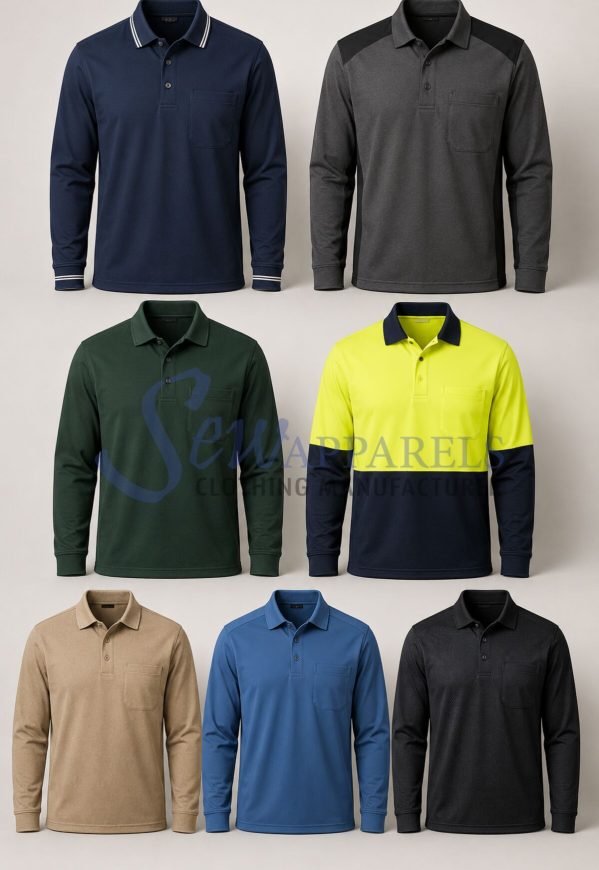
1. Establish the uniform discontinued style transition baseline
Begin with an accurate uniform obsolete style register. Identify the retiring style code, approved version, materials, size range and reason for discontinuation. Record the last confirmed order opportunity and distinguish a genuine supplier deadline from an internal estimate. A discontinued fabric may affect only certain colours or components rather than the entire uniform programme.
Use the repeat-order specification for uniform style phase out planning to retain the original technical package and approval evidence. Mark the style’s purchasing status clearly, but do not erase records needed to identify garments already issued. A replacement buyer should be able to explain which version was supplied, why it is changing and which requirements remain relevant.
The committee overview of ISO 10007 configuration management describes responsibilities, identification, change control, status records and audit across a product’s life. This is a useful general framework for revision management. It is not a garment durability test or evidence that a particular uniform supplier holds a certification.
A uniform discontinued style transition should separate facts from open questions. Confirm whether the existing style can be reordered, whether components remain available and whether any proposed alternative has actually been approved. Give each unresolved decision an owner and deadline so the programme does not rely on an informal promise that stock will be found later.
2. Audit remaining stock before buying the replacement
Uniform remaining stock allocation starts with a physical and recorded stock review. Count usable garments by style, version, colour and size. Separate unissued stock, returned garments awaiting review, damaged items and goods reserved for another location. A total piece count alone cannot show whether stock meets the next recruitment or replacement requirement.
For uniform discontinued garment replacement, check the gap by size and garment component. Forty shirts are not automatically enough for twenty people if the sizes are unsuitable or each employee needs several pieces. Avoid counting worn garments as equivalent to new issue stock without an agreed condition assessment.
A uniform retirement stock decision should state whether each category will be issued under an approved rule, retained for limited replacements, transferred or retired through the organisation’s authorised process. Do not describe damaged or unsuitable garments as available merely to reduce the replacement purchase quantity.
Uniform discontinued style transition also requires a rule for reserved stock. If ten garments are assigned to a particular branch, they should not simultaneously appear in the central pool. Update the allocation when stock moves and record the receiving location. This avoids promising the same remaining garments to several teams.
3. Define the replacement before accepting alternatives
Uniform discontinued fabric alternatives should be reviewed against the requirements that made the original style suitable. Fabric composition, weight, stretch, surface appearance, colour, care and availability can affect the replacement. A similar colour name or fabric weight does not prove equivalent fit or behaviour.
Prepare a uniform replacement range approval brief covering the required silhouette, measurements, construction, branding, trims and care route. Distinguish features that must remain consistent from deliberate improvements. If the change introduces a new fit block, document that decision rather than describing it as an unchanged repeat.
Use uniform discontinued style transition discussions with a corporate uniform manufacturer in Bangladesh to clarify development and supply assumptions. Provide the retiring technical package, representative references and the replacement priorities together. Ask the supplier to identify unavailable materials and evidence needed for proposed substitutions before confirming bulk production.
In custom corporate uniform manufacturing, a replacement can preserve the programme’s appearance while improving a specific detail. However, each improvement may affect other components or wearer expectations. Record the proposed difference, approval authority and relevant evidence so the new range is a defined product rather than an undocumented collection of substitutions.
4. Pilot fit and compatibility across the changeover
A uniform replacement style pilot should include representative wearers and the sizes or garment combinations most affected by the change. Review fit, movement, appearance, closures, pockets and care-related concerns against agreed requirements. A pilot is a structured approval exercise, not evidence that every employee will experience an identical fit.
Uniform old and new garment compatibility needs explicit review when employees will wear both versions together. Check whether a replacement shirt works with retained trousers, whether branding remains coherent and whether the appearance difference is acceptable. A new style can be approved independently yet still be unsuitable for mixed issue.
Uniform discontinued style transition should record which combinations are allowed. For example, the buyer might approve a replacement shirt with existing trousers while requiring an entire reception outfit to change together. Such decisions are programme-specific; they should not be inferred from a supplier’s general statement that the garments match.
Keep a uniform transition exception record for temporary arrangements. Identify the affected location, wearer group, garments and expiry or review date. An exception allowing a mixed version during a delivery gap should not become a permanent issue rule without a deliberate approval.
Before closing the pilot, confirm that the approved sample relates to the final materials and artwork. If a component changes after the wearer review, reassess the affected requirement. Preserve the original observations and the reason for the revision instead of keeping only a summary marked “approved.”
5. Make product identity and issue rules unambiguous
Uniform replacement product identity should distinguish the new approved range from the retiring garments in purchasing and stock records. Assign suitable internal references and link them to the technical version. Avoid using a single stock description for two styles with incompatible measurements or components.
Where GS1 identifiers are used, GS1’s changed-product guidance explains that differences affecting consumer identification, legal requirements or significant supply-chain handling can require a new GTIN. Review the applicable rules for the actual replacement. An internal version number and an externally allocated product identifier serve different purposes.
Uniform mixed version issue rules should tell warehouse staff which garments can be supplied together and how replacements are selected. Include the approved style references, any location restrictions and the process for an unavailable size. Do not substitute the new version silently if the recipient expects an unchanged garment.
During uniform discontinued style transition, labels, packaging and issue records should support the same identification. For private label corporate uniform production, confirm which artwork and care information applies to each version. A familiar brand name does not remove the need to distinguish the actual garments being supplied.
6. Plan the phase-in against verified quantities and approvals
For uniform discontinued style transition, uniform phase in schedule inputs include remaining stock by size, recruitment demand, sample approval, material availability, production timing and delivery arrangements. Build the schedule from confirmed milestones rather than a fixed date chosen before development is complete. Identify the operational consequence of any delay.
A staff uniform version transition can happen by department, location or agreed issue event. The appropriate sequence depends on the compatibility decision and supply availability. A staged change may preserve usable stock, while a coordinated change may be preferable where mixed appearance is unacceptable. Record the reason for the chosen route.
The fictional example below illustrates how a buyer could separate stock decisions. It is not Sew Apparels inventory data, a recommended reserve ratio or a universal changeover policy. Each line requires its own specification, condition and size review before the stated quantity is treated as available.
| Stock category | Illustrative quantity | Changeover decision |
|---|---|---|
| Retiring shirts, approved usable sizes | 30 | Hold for permitted old-version replacements |
| Retiring shirts, unsuitable issue condition | 8 | Exclude from usable allocation; follow authorised retirement process |
| New shirts, confirmed first-phase demand | 70 | Release after replacement approval |
| New shirts, separately approved reserve | 10 | Identify once as central stock |
The replacement purchase in this example is eighty shirts: seventy for confirmed first-phase demand and ten for reserve. The thirty retained old-version shirts remain a separate controlled pool; they are not automatically interchangeable with the new demand. Reconcile size-level allocations before using this summary to place an order.
Uniform issue stock changeover should update the purchasing system, warehouse instructions and employee communication together. Explain which version will be issued, what remains acceptable in use and how future replacements will be requested. Record issue movements so the old pool is not mistaken for unrestricted replenishment stock.
Release uniform discontinued style transition only when the replacement specification, compatibility rules and first-phase quantities are approved. Startup and growing brands can discuss a limited pilot and staged purchase, but minimums and lead times depend on the actual materials and supplier agreement. Confirm those terms for the programme rather than assuming every replacement can be ordered in very small quantities.
Common style transition questions
Must all retiring garments be replaced immediately?
Not necessarily. Usable garments can remain under an approved issue policy when fit, appearance and operational requirements allow it. The buyer should decide which combinations are acceptable and keep condition and stock records current.
Is a close fabric match enough to approve the new style?
No. Review the relevant material properties, finished construction, fit, decoration and care route. A visual match addresses only part of the replacement decision. Record appropriate sample or test evidence for the intended requirements.
Can the same stock code cover both versions?
Only if the organisation’s identification system still distinguishes the necessary differences reliably. Where versions are incompatible or require different issue rules, separate references usually make control clearer. Review external identifier requirements independently where they apply.
Turn discontinuation into a controlled range update
Use the corporate uniform buying guides to connect changeover decisions with fit, repeat specifications and care planning. Supply the retiring version, usable stock picture and replacement priorities when requesting development or a quotation.
A uniform discontinued style transition is easier to manage when old stock and the new range each have a clear identity and purpose. Approved samples, explicit compatibility rules and reconciled phase-in quantities give the team a reliable basis for purchasing, issue and subsequent replenishment.