
Kids sweatshirt fibre label verification connects every proposed material description to the actual garment and the evidence available for it. A fabric name in a message, a hangtag draft and an online product description can refer to different versions of the same style. Buyers need a controlled review before those descriptions become approved wording.
This guide provides five checks and a claim verification sheet. It focuses on composition records and wording rather than choosing brushed or loopback fabric. The workflow helps a brand organise its evidence and questions; the responsible team still needs to review the applicable requirements for the destination market and the actual product.
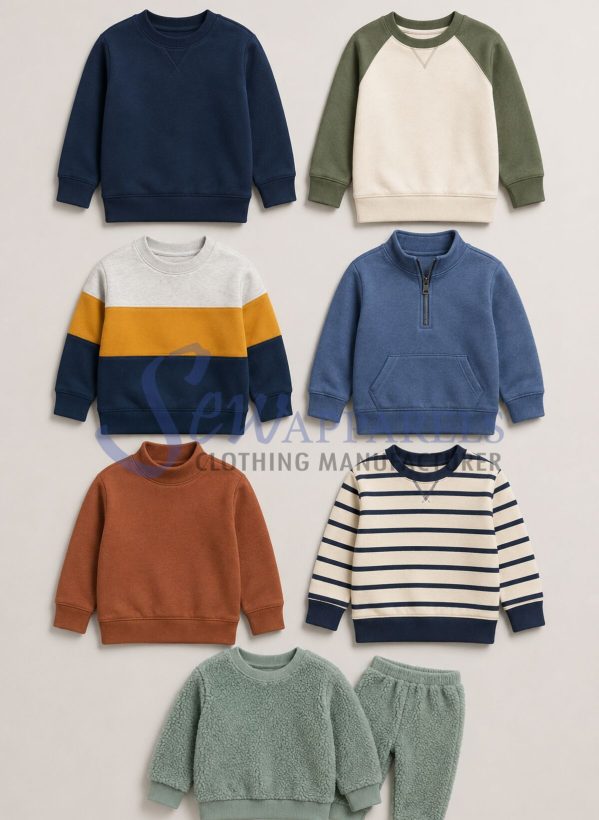
1. Kids Sweatshirt Fibre Label Verification: Collect Fabric Evidence
Start kids sweatshirt fibre label verification with the current garment specification. Identify the body material and each relevant component by the approved programme reference. Record the garment revision, supplier information and documents available for review. Do not assume a declaration for one fabric applies to another material that has a similar commercial name.
Children sweatshirt fibre claim evidence should be traceable to the material it describes. Ask the responsible supplier or material team to clarify unclear composition information. Keep unresolved information visible rather than selecting a plausible fibre description from an old order. A completed-looking label draft is not useful if its underlying material identity remains uncertain.
For the kids sweatshirts: sweatshirt material declaration, record the document reference and what it covers. Note whether it identifies the current body fabric, a component or a broader material family. Those scopes are different. The buyer should be able to connect the declaration with the garment version without reconstructing the relationship from several unrelated messages.
A kids sweatshirt composition label review should compare the proposed wording with the current evidence. If the material changed after the first draft, identify that change before treating the old wording as approved. Keep the reviewer, decision date and remaining questions with the label record.
Check relevance as well as document presence
A folder containing several documents does not establish that the current garment description is supported. Check the material reference, document scope and programme revision. Ask which unresolved question each document answers. This makes missing information easier to identify and reduces the chance of carrying an old declaration into a different sweatshirt programme.
2. Separate plant-source terms from fibre names
Kids sweatshirt fibre label verification needs a clear distinction between a material’s commercial description and the fibre wording proposed for the label. A plant-source term can be part of a supplier discussion without being the correct generic fibre description for the finished textile. Record what the material actually is and ask the responsible reviewer to approve the wording for the intended market.
Kids sweatshirts generic fibre name verification should use the material evidence rather than a marketing preference. Do not choose a fibre name because it sounds more natural or attractive. If a supplier’s description is unclear, request clarification and keep the wording undecided until the relevant information is available.
The FTC’s bamboo textiles guidance distinguishes actual bamboo fibre from rayon or viscose produced using bamboo as the plant source. It explains the relevant US description for the latter as rayon or viscose made from bamboo. A plant source therefore does not, by itself, justify labelling the finished fibre simply as bamboo. Check the actual material before choosing wording.
For kids sweatshirt bamboo rayon wording, record the proposed phrase beside the material evidence and destination review. Kids sweatshirts rayon made from bamboo wording should only be considered when that description is supported for the actual material. This article does not claim that a particular Sew Apparels sweatshirt contains bamboo, rayon or any other unconfirmed composition.
Keep kids sweatshirts plant source textile claims separate from additional claims about the garment. A source description does not establish antibacterial performance, organic status or an environmental benefit. If another claim is proposed, give it its own evidence question and review owner. Do not let approval of a fibre phrase become blanket approval of every marketing statement beside it.
3. Map body and relevant component disclosures
For kids sweatshirt fibre label verification, identify which garment areas the proposed description covers. The body, rib, lining or other components may have different records. List the actual parts in the specification and ask the market reviewer to decide the applicable disclosure treatment. Do not assume the body composition automatically describes every component.
Kids sweatshirts body trim fibre disclosure should be connected to the complete garment map. Record what is known about each relevant material and what remains open. The purpose is to give the responsible reviewer a clear product description, not to invent a universal rule that every trim must be listed in the same way on every market’s label.
The FTC’s textile and wool labelling guide describes fibre disclosure requirements and specific treatment of components for covered US products. It also addresses other required identification information. Use that official guidance as part of the applicable market review. A general fabric description is not a complete label specification for every garment or destination.
Children fleece fibre description approval should therefore identify both the material and the wording scope. Fleece describes a material presentation or construction context; it does not establish a particular fibre composition. Keep the approved phrase tied to the actual declaration and garment revision rather than inferring composition from the fabric’s appearance.
Keep the component map current
If a rib or another relevant component is replaced during development, update the record before approving the final wording. The change may affect the description or require confirmation that the current wording remains appropriate. Record the responsible reviewer’s decision instead of assuming a visually similar component is identical in composition.
4. Reconcile labels, hangtags and online descriptions
Kids sweatshirt fibre label verification should compare the proposed descriptions across the places where they will appear. Identify the physical label draft, relevant hangtag artwork and online copy for the same product version. A correct label can coexist with an outdated product description if the review only covers one file.
For kids sweatshirts: sweatshirt hangtag claim review should list the fibre-related statements and any additional claims separately. Keep the evidence question specific to each phrase. A hangtag designed to highlight a material feature should not make a broader claim than the current product information supports.
Kids sweatshirts online fibre description consistency needs the same version control as printed artwork. Record the product or channel reference and compare its wording with the approved description. If a draft uses a shorter phrase, confirm that the shortened version still represents the actual material appropriately. Do not automatically remove a qualifier simply to make the copy look cleaner.
Keep kids sweatshirts material description substantiation available to the people approving copy. Substantiation means the evidence supporting a statement. Record the evidence reference and the scope of the proposed phrase so a reviewer can see whether they correspond. This is more useful than labelling an entire folder approved without identifying which description it supports.
When two files conflict, resolve the wording decision before releasing the affected copy. Identify which version is current and retain the superseded draft as history. The workflow should help the team correct the discrepancy; it should not hide the conflict by copying whichever phrase appears most often.
5. Approve wording with evidence and market review
Complete kids sweatshirt fibre label verification by recording the approved phrase, relevant evidence and destination scope. Identify the decision owner and any outstanding conditions. Distinguish ready for review from approved for the stated programme. A supplier discussion or an attractive mock-up is not, by itself, a final wording decision.
Kids sweatshirts destination fibre label rules need to be reviewed for the actual market. The US references in this article do not establish compliance in every country. Ask the responsible team to confirm the applicable wording and disclosure requirements, then keep that decision with the garment record.
For kids sweatshirts: children sweatshirt label proof should identify the current artwork and the product version it represents. Compare the approved wording with the proof before release. If the artwork differs, record the correction and its status. Avoid closing the review solely because a label layout is complete while the material wording still has an open question.
A kids sweatshirts fibre evidence approval matrix should show which phrases are approved, which need revision and which remain unsupported. Keep additional claims such as organic, antibacterial or environmental benefits out of released wording unless the responsible review confirms appropriate evidence. Fibre identity alone does not settle those separate claims.
Claim verification sheet
Use this sheet during kids sweatshirt fibre label verification to connect the phrase, material and release decision. Adapt it to the actual garment and sales channels. These fields organise review; they do not supply a composition percentage, certification or universal label format.
| Review item | Record to connect | Decision to document |
|---|---|---|
| Proposed phrase | Exact wording and the draft or channel where it appears | Approved, revise or evidence still needed |
| Material evidence | Current material reference and relevant declaration or review document | Evidence relates to the actual proposed wording |
| Garment component | Body or relevant component and programme revision | Wording scope confirmed by the responsible reviewer |
| Sales channel | Physical label, hangtag and online description references | Current copy reconciled across the identified channels |
| Market and release | Destination review, decision owner and remaining conditions | Named owner confirms release for the stated scope |
Kids Sweatshirt Fibre Label Verification: Buyer Questions
Can a supplier’s fabric nickname go directly on the label?
It needs review against the actual material information and applicable market requirements. Kids sweatshirt fibre label verification should distinguish informal commercial descriptions from approved fibre wording. Request clarification where the name leaves the material identity uncertain.
Does a bamboo source prove other product benefits?
No. Record the actual fibre identity and review each additional claim on its own evidence. Do not infer antibacterial, organic or environmental claims from a plant-source phrase. Keep unsupported statements outside the released wording.
Should online descriptions be checked too?
Yes. Compare the relevant product copy with the approved material wording for the same version. Identify and correct outdated or conflicting phrases so the physical product record and sales description remain connected.
Prepare a clear material and label brief
For custom kids sweatshirt manufacturing, share the current fabric declarations and draft wording through the kids sweatshirts manufacturing page. Ask the team to clarify the material records needed for development. This guide does not certify a garment or promise a particular composition, order minimum, price or available material.
For private label kids sweatshirt production, connect kids sweatshirt fibre label verification with the current specification and the Kids Sweatshirts Buying Guides. A clear claim sheet gives the buyer, supplier and market reviewer the same phrase to assess and a defined record of the final decision.
For custom kids sweatshirt manufacturing, send the current material references, destination and proposed wording with your enquiry.
For private label kids sweatshirt production, keep the approved description and garment revision together before quotation and artwork release.
Use the brushed versus loopback fabric review for construction comparisons. Fabric appearance does not establish fibre composition or validate a material claim.