
Sweatpants fleece shedding approval is the documented comparison used to decide whether loose fibre, lint, and surface change from a brushed fleece are acceptable before bulk fabric and garment production. The review should distinguish temporary loose fibre created by brushing and cutting from ongoing fibre release that continues through wear or laundering. It should also connect the result to the exact fabric article, colour, finish, wash route, garment construction, and approved reference.
Brands working with a custom sweatpants manufacturer in Bangladesh should define the assessment method before submitting a bulk purchase order. “Low shedding” is not a complete requirement unless the test sequence, conditioning, comparison standard, rating, and pass criteria are recorded.
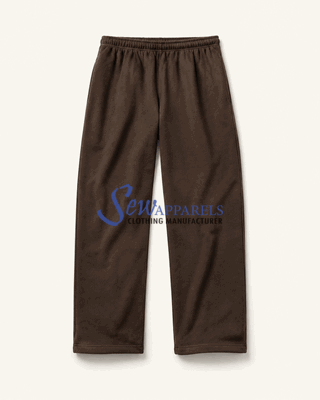
Why Brushed Fleece Can Release Visible Lint
Fleece is commonly produced by brushing or napping yarn floats on the technical back of a knit. CottonWorks explains that this napped interior differentiates typical fleece from un-napped French terry. The process creates softness and insulation by raising fibre ends, but it can also leave loose material that transfers to underwear, socks, other garments, washing machines, or packaging.
The amount and duration of release can depend on fibre type, yarn twist, blend, knit construction, pile yarn, brushing intensity, shearing, finishing, washing, compacting, and handling. Dark lint on a light test cloth may appear more severe than the same mass of matching-colour fibre. Approval should therefore combine a controlled comparison with product-use judgement.
1. Identify the Exact Fabric and Finish
For sweatpants fleece shedding approval, record supplier, mill, article number, fibre composition, yarn details where available, knit construction, finished weight, usable width, colour, dye lot, brushing route, shearing, enzyme treatment, softener, wash, compacting, and other surface finishing. Link the record to a retained swatch and the sample garment.
Do not compare a lab dip, unbrushed trial, or substitute colour with the intended bulk fabric. Shedding can change after dyeing and mechanical finishing. If the supplier changes a yarn, blend, brushing setting, machine, or finishing recipe, reopen approval instead of relying on the earlier result.
2. Condition Samples Before Comparison
Condition the fabric or garment in the agreed atmosphere and allow it to recover from compressed transport or packaging. Record conditioning time and environmental conditions when the buyer or laboratory requires them. Test specimens should be large enough to represent the napped surface and should avoid visibly damaged roll edges unless edge performance is part of the investigation.
Prepare multiple specimens from representative roll positions and identify face, back, wale direction, dye lot, and roll. A single hand-cut swatch may not represent commercial variation. Where bulk approval is critical, include material from more than one roll or use a defined sampling plan.
3. Separate Initial Loose Fibre from Persistent Shedding
Evaluate the material before laundering, after the first care cycle, and after the agreed number of repeated cycles. Initial release may fall sharply once loose brushing debris is removed. Persistent release that remains high after repeated cleaning suggests a different risk for customer experience and garment durability.
Record each stage separately in the sweatpants fleece shedding approval report. Do not average an unacceptable first-use result with a later improvement unless the product will receive a controlled factory wash that reliably removes the loose fibre before packing. If a prewash is part of the solution, it must be included in the approved production route and cost.
4. Use a Repeatable Dry-Lint Transfer Check
Define the rubbing material, colour, pressure, stroke length, number of cycles, direction, area, and evaluation light. A contrasting cloth or adhesive collection surface can make transferred lint visible, but the factory and buyer should use the same method. Photograph the setup and retain labelled comparison specimens.
Test both the fleece interior and any brushed exterior. Include seams, cut edges, cuffs, waistbands, and pocket openings where handling may release additional fibre. A casual hand rub is useful for screening but should not replace the agreed approval method.
5. Conduct Controlled Laundering
Use the stated washer type, load size, detergent, water temperature, cycle, rinse, extraction, and drying method. Wash the sample separately or with defined ballast so foreign lint does not distort the result. Clean filters and containers before each comparison and record any collected residue.
Inspect the garment, washer, dryer filter, and a defined companion cloth after each cycle. Note visible lint, fibre clumps, surface thinning, pile matting, pilling, colour change, and dimensional change. Keep the care sequence aligned with the label intended for the finished sweatpants.
6. Distinguish Shedding, Pilling, and Colour Transfer
Shedding is fibre released from the material; pilling is the formation of entangled fibre balls retained on the surface; colour transfer is dye or pigment moving to another material. These problems can appear together but need different controls. A white cloth marked by dye should not be reported only as lint, and retained pills should not be weighed as released fibre.
ASTM notes that pilling and related surface change depend on fibre, yarn, fabric construction, finishing, and care method. Use a separate pilling assessment when required and state the selected standard. The shedding approval should focus on release while documenting related surface effects that influence the commercial decision.
7. Define a Visual and Quantitative Approval Standard
Create a rating scale using approved photographs, retained reference garments, collected fibre, or measured mass when the method supports it. State whether the result applies per area, per garment, or per care cycle. Include the permitted rating after factory finishing and after specified home-laundering cycles.
AATCC TM212 provides a standardized method for quantifying fibre fragment release during home laundering, developed particularly for environmental assessment. It may not answer every consumer-visible lint question, so select methods that match the product risk. Record why the chosen test and acceptance level are suitable.
8. Compare Candidate Fabrics Side by Side
Use the same sweatpants fleece shedding approval procedure on the proposed fabric, current approved quality, and a buyer reference where available. Compare equal areas, equivalent colours, the same finishing status, and identical care conditions. Side-by-side evaluation is often more useful than an isolated statement such as “minor lint.”
The related guide on sweatpants brushed fleece weight selection explains how fabric construction, finished weight, and brushing influence warmth, bulk, and surface behaviour. Use the shedding result with those performance and design requirements rather than approving solely on softness.
9. Investigate the Cause of an Unacceptable Result
Review fibre length and blend, yarn twist, pile-yarn selection, loop security, knit density, brushing passes, wire condition, shearing, enzyme treatment, washing, extraction, tumble drying, and compacting. Check whether loose fibre accumulated because the material was cut or handled before adequate cleaning.
Change one variable at a time where possible and compare the revised trial with the original. A stronger wash may remove debris but also change colour, shrinkage, hand feel, or pile height. The corrective action must preserve the complete garment requirement.
10. Confirm Garment-Level Performance Before Bulk Release
Test a finished sweatpants sample with all seams, cuffs, waistband, pockets, labels, decoration, and final wash. Wear or handling simulation should focus on areas that rub against skin and other clothing. Inspect the inside surface and any lint trapped at seam allowances, pocket bags, elastic channels, or hems.
Complete sweatpants fleece shedding approval for the exact garment revision and record the fabric lot, test date, method, stages, results, photos, reviewer, and decision. The bulk order should state any required factory wash, cleaning, vacuuming, brushing, or inspection step. Incoming and final quality checks should compare production against the retained reference.
Low MOQ Sweatpants Manufacturer for Startup Brands
Startup brands often need low-MOQ or small-MOQ sweatpants production and cannot absorb customer returns caused by visible lint. A controlled sample comparison helps them choose between a very soft high-nap surface and a more stable finish before ordering fabric. Sew Apparels can review the intended wearer, colour, care route, packaging, and acceptable appearance during development.
Giving focused support to startup brands means choosing proportionate evidence while preserving repeatability. A small trial wash and side-by-side lint reference may support an early decision, while higher-risk claims or larger orders may justify laboratory measurement. The approved method and reference should remain available for reorders.
Sweatpants Fleece Shedding Approval Checklist
- Identity: Fabric article, composition, construction, weight, colour, dye lot, roll, and finish.
- Conditioning: Time, atmosphere, specimen size, locations, face, and back.
- Initial check: Defined dry rubbing or transfer method with a retained comparison.
- Laundering: Washer, detergent, temperature, load, cycle, extraction, and drying.
- Stages: Record before wash, first wash, and agreed repeat cycles separately.
- Diagnosis: Separate shedding from pilling, colour transfer, abrasion, and surface matting.
- Rating: Use approved photographs, references, measured collection, and pass criteria.
- Garment test: Include seams, cuffs, waistband, pockets, decoration, and final factory finish.
- Corrective action: Record finishing changes and recheck colour, shrinkage, hand feel, and pile.
- Release: Link the approval to bulk fabric, production instructions, inspection, and reorders.
Common Shedding-Approval Mistakes
Common errors include approving an unwashed swatch, comparing different colours under uncontrolled light, mixing foreign lint into a wash test, calling dye transfer “shedding,” and accepting a verbal statement without a retained reference. Another frequent mistake is approving fabric data without verifying the finished garment after sewing and factory finishing.
Repeat the approval when the mill, yarn, blend, brushing intensity, shearing, enzyme treatment, wash recipe, dryer route, or care label changes. A stable production standard should describe both the test and the acceptable outcome.
Sweatpants Fleece Shedding Approval: Final Decision
A complete sweatpants fleece shedding approval balances soft hand feel with controlled fibre release. It provides an objective comparison before bulk commitment and gives production and quality teams a reference for cleaning, finishing, inspection, and repeat orders.
Share the fabric specification, finish, colour range, sample garment, intended care, target order, and buyer acceptance standard with Sew Apparels. The team can organise a product-specific comparison, document open risks, and confirm the release route before bulk fabric is cut.
For related fabric, fit and production decisions, explore the Sweatpants Buying Guides. Keep sweatpants fleece shedding approval linked to the same fabric specification and sample revision used for those decisions.
