
A white trucker cap mesh yellowing investigation must first separate the approved starting shade from colour change introduced during storage, light exposure, packing or material interaction. “White” mesh may begin as optical white, blue-white, natural off-white or another specified shade. Without a protected starting reference, a later visual complaint cannot prove when the difference appeared.
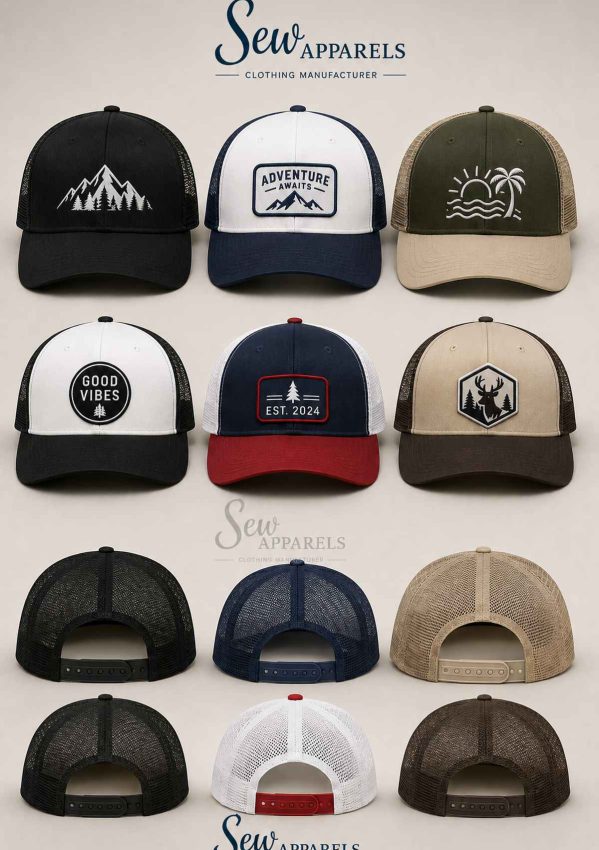
This guide gives sourcing, quality and product teams a six-step evidence route for white rear mesh. It covers retained references, component mapping, controlled comparisons, discoloration location and corrective trials while avoiding a chemical diagnosis from appearance alone.
1. Archive Protected Starting Samples
At sample approval, retain production-intent mesh, a complete approved cap and relevant components. Label the style, colour, mesh lot, supplier, finish, production date and storage conditions. A white trucker mesh protected starting sample should remain shielded from light, heat, moisture, dust, fumes and contact materials that could change its shade.
Use a clean, neutral backing and controlled lighting when photographing the starting sample. Include a physical or instrument reference appropriate to the buyer’s colour-control system. Screen images alone are not reliable colour standards because cameras, displays, exposure and white balance differ.
When a complaint arrives, compare the cap with the retained sample from the same construction and lot whenever possible. A white trucker mesh new versus stored mesh comparison is meaningful only when the “new” material has a known history. An unlabelled roll remnant or old showroom cap can introduce a second unknown.
Begin the white trucker cap mesh yellowing investigation by recording whether the reference itself has changed. If storage control is uncertain, preserve that limitation in the report and obtain additional evidence before assigning a cause.
2. Map Mesh, Foam, Finishes and Packing Materials
Create a bill of materials and contact map for the affected cap. Include mesh yarn and coating, foam or twill front, sweatband, seam tape, thread, labels, closure, decoration, adhesive, tissue, inner bag, carton, ink, tape and any desiccant. Mark direct contact, proximity and airflow paths during packing. Use the trucker cap mesh back-panel selection guide to identify the material route; appearance changes still need their own evidence.
White trucker mesh packaging contact yellowing may appear as a line, patch or repeated shape where packaging touched the cap. Photograph the inside and outside before separating materials. Note whether the change follows folds, stack pressure, carton walls, tissue edges or printed areas.
A white trucker mesh finish related discoloration investigation should document coatings, optical brighteners, softeners, cleaning agents and other declared processes without claiming that any one caused the shade. Supplier declarations and production records can guide questions, but visual colour alone does not identify a substance or reaction.
Use a white trucker mesh yellowing location record to map panel, seam, fold and contact zones. Include unaffected areas from the same cap. A uniform warm shift may require different comparisons from a sharp contact mark or a change concentrated beside foam, adhesive or thread.
3. Compare Controlled Storage and Light Exposure
Design comparisons around credible conditions: protected storage, planned warehouse storage, the actual inner pack, an alternative pack and controlled light exposure. Keep mesh lot, sample size, orientation and observation schedule consistent. Do not place samples on unknown paper, wood or plastic surfaces that create uncontrolled contact.
A trucker cap mesh storage yellowing study should record temperature, humidity, enclosure, duration, stacking and ventilation. Use monitored conditions where possible and state what was not controlled. Accelerated exposure can compare candidates, but it must not be translated directly into months or years of service without a validated relationship.
The white trucker mesh storage shade change record should include the starting shade, observation intervals, lighting, assessor or instrument method and location of change. Allow samples to return to the agreed conditioning state before final comparison when the method requires it.
A white trucker mesh light exposure comparison needs a protected control beside the exposed specimen. Record the source, distance, duration, orientation and any heat effect. Light and heat should be separated when possible because a warm lamp or window can introduce more than one variable.
For controlled light comparisons, review the official AATCC TM16.3-2020 xenon-arc lightfastness summary with the laboratory. Its public scope covers lightfastness of textile materials, but does not establish an accelerated test for a specific use. Agree how laboratory exposure relates to actual conditions before interpreting results. The laboratory must confirm current applicability; a lightfastness result alone does not diagnose storage or contact yellowing.
4. Assess Matched and Isolated Components
Compare the complete cap with controlled mesh-only, mesh-plus-foam, mesh-plus-packaging and other matched assemblies. A white trucker mesh mesh foam isolation trial can reveal whether a contact combination reproduces the pattern, but it must use production-intent components, clean tools and documented enclosure conditions.
Run a trucker cap packaging discoloration trial with the actual inner bag, tissue, print and carton alongside unused controls. Test direct contact and separation where relevant. If only one packaging lot is implicated, retain samples and supplier details for confirmation rather than generalising to every package of the same material name.
A mesh cap ageing comparison should include multiple specimens and an unexposed control. Inspect mesh yarn, coating and assembled zones separately. Record instrumental colour data when suitable, but also preserve consistent visual observations because texture and open structure can influence readings.
For broader material safety and chemical questions, consult a qualified laboratory and relevant requirements. The official OEKO-TEX STANDARD 100 information limits product labelling to the exact certified product. A certified mesh component does not by itself qualify the assembled cap for a STANDARD 100 claim. Certification or chemical cause must never be inferred from yellow appearance alone.
5. Record When and Where Discoloration Appears
Observe samples on a fixed schedule and use coded identifiers. Record colour character, intensity, area, edge definition and whether the shift appears on both sides. A white mesh hat shade change can be reported as cooler, warmer, greener or duller relative to the approved reference without pretending that the description identifies chemistry.
Build a timeline from production and packing records, retained samples, warehouse observations and buyer receipt. Photograph the same panels under the same controlled setup at each interval. If the change first appears only after a specific exposure, repeat that comparison before treating the association as verified.
A complete white trucker cap mesh yellowing investigation distinguishes observation, correlation and confirmed cause. “Yellow after storage” is an observation. “Only samples touching one packaging material changed under repeated controlled conditions” is stronger comparative evidence. A chemical or process mechanism still requires appropriate technical verification.
Create a concise white trucker mesh ageing condition lab brief with product construction, starting references, mapped discoloration, suspected conditions, comparison samples and the decision the buyer needs. Ask the laboratory to recommend suitable exposure, colour measurement and analytical work instead of ordering an arbitrary test list.
6. Approve a Corrective Trial Before Reordering
Correct only variables supported by evidence. Options may include a controlled mesh or finish change, improved material storage, different inner packaging, separation from printed surfaces, shorter sealed holding time or revised carton conditions. Avoid changing mesh, foam and package together unless the objective is only a system comparison.
A white trucker mesh corrective storage trial should repeat the problematic condition and compare the proposed correction with the original setup and protected control. Record all materials, lots, conditions, durations and observation methods. Repeatability is more valuable than an attractive one-off sample.
Compile white trucker mesh cause verification evidence from the retained starting sample, location map, controlled comparisons, laboratory findings and corrective repeat. State the supported cause narrowly and list alternatives not excluded by the evidence.
The final white trucker cap mesh yellowing investigation decision should identify the approved mesh, finish, component contacts, packaging and storage requirements. A substitution or route change must trigger review rather than inherit approval automatically.
White Trucker Cap Mesh Yellowing Investigation Log
Assign one owner to the white trucker cap mesh yellowing investigation and keep every specimen coded. Consistent handling prevents exposure during the investigation from becoming another uncontrolled source of colour change.
- Identity: style, colour, mesh and component lots, production date, carton and quantity affected.
- Starting evidence: protected mesh, retained cap, photographs, colour reference and storage history.
- Location: panel, side, seam, fold, contact pattern, affected area and unaffected control.
- Exposure map: light, heat, humidity, time, packing, printed surfaces, foam and finishes.
- Comparisons: protected, stored, exposed, isolated components and matched assemblies.
- Technical review: laboratory brief, method, results, deviations and limits.
- Decision: correction, repeat evidence, approved reference, exclusions and reorder trigger.
Use the log consistently for each white trucker cap mesh yellowing investigation. It prevents an initial off-white shade from being mistaken for ageing and stops a time-related change from being accepted as the original colour.
Low MOQ White Trucker Cap Development
For a low-MOQ style, approve one production-intent white mesh, foam or twill route, finish and packing system before multiplying colour or logo options. Focused custom trucker cap manufacturing makes protected references and corrective comparisons easier to maintain while preserving evidence quality.
Startup Brand White Mesh Approval Brief
Startup brands can define the intended white appearance, retail packaging and storage route during sampling. In private label trucker cap production, a protected reference and written shade limit reduce disputes when the first shipment is opened after transit. Sew Apparels can discuss feasibility subject to confirmed materials, sample scope, development charges and order conditions.
Move the Yellowing Decision into the Product Brief
File the white trucker cap mesh yellowing investigation with the approved material standard, packing diagram and retained cap. Production and inspection teams should be able to identify the exact reference without relying on memory or screen colour.
Use the related Trucker Cap Buying Guides to connect this investigation with mesh selection and construction. When the log and corrected evidence are ready, review the custom trucker cap manufacturing service and request a quote with your white mesh approval brief to discuss sample feasibility.
Before release or reorder, confirm that the white trucker cap mesh yellowing investigation record names the exact materials and conditions reviewed. Do not assume factory capability, MOQ, price, lead time, certification, measured performance or chemical cause.