
Woven shirt nominated fabric sourcing means a brand identifies a preferred material source while the mill and garment factory still need a clear working agreement. Nomination alone does not explain who purchases the fabric, approves its quality, handles delivery or pays for a replacement. Those responsibilities should be settled before a shirt quotation becomes a production commitment.
This guide explains six checks for woven shirt nominated fabric sourcing. It helps buyers connect material specification, purchasing scope, inspection, consumption and change control. The arrangements discussed are planning questions, not automatic contractual terms or a statement that Sew Apparels accepts every supplied material route.
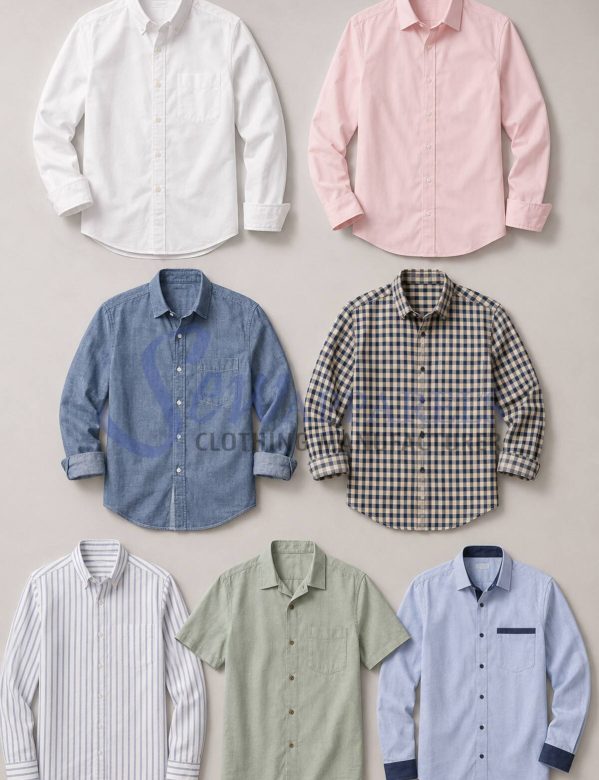
1. Define woven shirt nominated fabric sourcing
Identify whether the brand is selecting a mill, a specific fabric article or material already purchased for the order. These arrangements can create different purchasing and handover tasks. Record the fabric code, composition, construction, width reference, finish, colour and relevant approved sample, together with the shirt style and order version it supports.
A shirt buyer nominated mill agreement should identify the parties and their actual roles. State who places the fabric order, confirms the specification, authorises changes and communicates with the mill. Do not assume that the garment factory becomes responsible for every mill decision simply because it will cut and sew the shirts.
Create a responsibility record
Use a woven shirt material responsibility matrix to assign purchasing, specification approval, testing, inspection, transport coordination and release. Name the decision owner as well as the person performing each task. Record any responsibilities that require agreement before the order proceeds rather than leaving them implied in separate messages.
Woven shirt nominated fabric sourcing works more clearly when the brand, mill and factory review the same current specification. A preferred supplier name is not enough. Keep the accepted fabric reference and revision visible so a later discussion concerns the same material rather than three different interpretations of the order. The poplin versus Oxford fabric comparison helps frame construction differences before a nominated article is approved.
2. Clarify the quotation and ownership scope
Define shirt supplied fabric quotation scope before comparing prices. Identify whether the quotation includes fabric purchasing or only agreed garment operations. List the handling, inspection, testing, storage and other services that are included, excluded or subject to confirmation. Ask for clarification rather than treating a short quote label as a complete commercial agreement.
For woven shirt CMT quote fabric exclusions, establish which materials and services the buyer supplies and what the factory actually prices. The meaning and scope of a CMT offer should be confirmed for the project. A price excluding fabric cannot be compared directly with one including fabric without identifying the remaining costs and responsibilities.
Separate ownership from delivery responsibilities
Maintain shirt material ownership records that identify the purchaser, material owner and agreed treatment of unused or rejected fabric. Also record the delivery arrangement and relevant commercial documents. Physical receipt at the factory should not be treated as a complete answer to every ownership, payment or defect question.
a practitioner’s explanation published by ICC Academy notes that these rules do not decide when title passes. Keep delivery responsibilities and ownership provisions clear in the appropriate agreements. Obtain suitable professional advice for the actual contract rather than relying on this sourcing checklist to allocate legal liability.
Woven shirt nominated fabric sourcing should also specify how additional charges are approved. An inspection, storage or replacement cost should not emerge as an unexplained adjustment after cutting begins. Confirm the quotation assumptions and escalation contact while the commercial scope can still be reviewed calmly.
3. Assign inspection and evidence responsibilities
Name the woven shirt nominated fabric inspection owner and define when the material is inspected. Clarify who performs the review, who receives the report and who decides whether the rolls can be released. A mill inspection and a factory receiving check can serve different purposes; record the agreed scope of each.
Specify the inspection method, sampling plan, defect reporting and acceptance criteria with the responsible technical team. Do not insert a generic point limit without agreement. Record fabric identity, roll references, quantity and relevant observations so the report can be connected to the actual material delivered for the shirt order.
Use an agreed visual assessment
ASTM D5430-26’s published scope concerns visual examination and grading of fabrics and allows acceptance use when purchaser and seller agree. Its use notes explain that different point-assignment options can produce different values. Agree the applicable option and acceptance arrangement rather than comparing unexplained inspection totals.
For shirt nominated mill test documents, identify which properties and material versions the evidence covers. Connect reports with the nominated article, colour or lot as applicable. A visual inspection does not replace every performance assessment, and a generic mill certificate should not be assumed to represent an unrelated delivery.
Keep defect decisions traceable
Define shirt nominated fabric defect responsibility through the agreed commercial and technical arrangements. Record who investigates an observation, who authorises use or rejection, and how the issue is escalated. Do not decide responsibility solely from the location where a defect was first noticed.
Woven shirt nominated fabric sourcing should keep evidence, decision and proposed cost allocation distinct. A receiving report describes what was observed; it does not automatically settle a claim. Retain the relevant documents and resolve the release decision before affected material moves into irreversible cutting operations.
4. Control mill-to-factory handover and release
A woven shirt mill factory handover should identify the shipment, roll list, material reference and expected documents. Confirm delivery timing, receiving contact and any handling requirements. Reconcile what arrives with the agreed order rather than assuming a delivery note proves that the quantity, shade and specification are ready for production.
Define a shirt fabric delivery approval gate before material is used. Identify the checks and documents required, who closes outstanding observations and who authorises cutting. The gate should have a clear status, such as held for review or released for the named order, so planning staff do not mistake arrival for approval.
Connect handover with production timing
Agree how delayed material, incomplete documents or rejected rolls affect the production plan. A garment schedule based on approved fabric availability may need revision when that assumption changes. Record the updated milestone and decision rather than promising the original completion date without reviewing the material position.
Use a shirt mill factory communication checklist for fabric reference, quantity, shipment identity, inspection status, reports, release decision and open actions. Keep one current action record with owners and dates. This reduces conflicting instructions and helps the brand see which input is needed to close a material issue.
5. Reconcile consumption, shortages and replacement
For woven shirt supplied material consumption, connect the approved pattern, size mix and usable material information with the cutting estimate. State what the consumption figure includes and how it differs from the purchasing quantity. Material received in metres is not necessarily the quantity available for every planned marker after review.
Record allowances and their purpose with the technical and commercial teams. Distinguish approved cutting requirements from rejected material, development use and other agreed allocations. Do not hide all differences inside an unexplained waste percentage or assume a universal allowance represents every fabric width and shirt design.
Define the shortage process
A shirt nominated fabric shortage process should explain how the deficit is calculated, reported and resolved. Identify whether it arises from delivery quantity, rejected material, consumption revision or another documented cause. Agree who reviews the evidence and authorises replenishment, quantity adjustment or an alternative production decision.
For shirt supplied fabric replacement responsibility, confirm who sources the replacement and how costs and timing are handled under the actual agreement. Review shade, article identity and any other relevant compatibility before using new material. A replacement delivery should not bypass the release checks applied to the original fabric.
Keep the final balance visible
Reconcile delivered, accepted, used, rejected and remaining material using agreed units and records. Explain any conversions or adjustments rather than comparing unlike figures. Woven shirt nominated fabric sourcing should leave an understandable material balance that supports order closeout and decisions about unused stock.
Clarify how remnants and unused rolls are identified, stored, returned or otherwise handled. The arrangement depends on the agreed ownership and commercial scope. A future reorder should confirm whether remaining material is suitable and sufficient rather than assuming that any recorded balance can be used immediately.
6. Manage changes and production handover
A woven shirt nominated supplier change control process should identify who approves a new mill, fabric article, colour, finish or other material revision. Record why the change is proposed and which earlier approvals it affects. A nominally similar fabric may still require review of fit, appearance, consumption or care evidence.
Update the quotation, technical pack and production reference when a change is accepted. Keep the superseded version distinct from the current release. Woven shirt nominated fabric sourcing should prevent a purchase team ordering one article while the factory prepares to cut another based on an older message.
Prepare a focused manufacturing enquiry
For custom woven shirt manufacturing, send the shirt specification, nominated material details, quantity plan and proposed responsibility arrangement together. Startup brands can use the same concise brief to discuss feasibility. Confirm whether the requested sourcing route, order minimum, sampling and evidence responsibilities can be supported for the project.
For private label woven shirt production, connect material release with the bill of materials, approved garment sample and label requirements. Nomination is one input in the production brief; it should not replace the factory’s review of the complete shirt. Confirm commercial terms directly rather than treating this guide as a fixed service or price offer.
Buyer checklist and common questions
- Identify the nominated mill, material and current specification.
- Assign purchasing, inspection, testing and release owners.
- Confirm quotation inclusions and fabric exclusions.
- Record delivery and ownership arrangements separately.
- Reconcile accepted quantity, consumption and shortages.
- Approve replacements and changes before production use.
Does nomination transfer every material risk to the factory?
No automatic allocation should be assumed. Responsibilities depend on the actual agreements and evidence. Clarify the roles before ordering and retain the current responsibility matrix through receiving, cutting and order closeout.
Where should buyers begin?
Use the woven shirt buying guides to organise related decisions and the woven shirt manufacturing page for an enquiry. Bring the nominated fabric reference and proposed scope so the discussion can resolve practical responsibilities early. A documented woven shirt nominated fabric sourcing brief helps keep those decisions connected.