
Deadstock woven top fabric purchasing starts with a particular fabric lot, not an unlimited material programme. A surplus offer may suit a defined collection, but the buyer needs to understand what is actually available, which evidence belongs to that stock and what happens if demand exceeds the usable quantity. An appealing swatch and a low quoted rate do not establish enough material for production or a dependable reorder route.
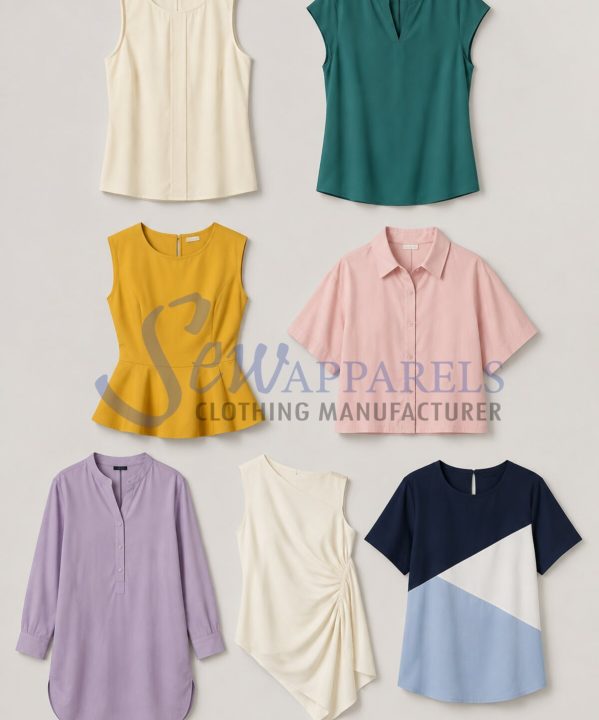
Use deadstock woven top fabric purchasing to evaluate a one-off offer before committing the assortment. This guide separates lot identity, condition, usable quantity, sample requirements and purchase terms. It does not assume that surplus fabric is cheaper, environmentally preferable or replenishable. Those points need their own evidence, with the limits recorded before a brand plans finished garments around the material.
Share the offer and planned assortment through our custom woven top manufacturing page. Confirm whether the supplied material can be reviewed and developed for the actual style. A seller’s stock description is a starting input; it is not an approval of composition, condition, garment suitability or manufacturing yield.
1. Establish deadstock woven top fabric purchasing lot identity
Begin with deadstock blouse fabric lot identity. Request the seller’s references, roll identifiers, stated material description and the documents connecting those details to the offered stock. Keep the offer date and the location of the material visible. A swatch should identify its source roll or lot so the buyer can relate the development sample to the quantity being considered for purchase.
In deadstock woven top fabric purchasing, distinguish a seller’s commercial name from a supported material declaration. Similar-looking fabrics can have different composition, construction or finishes. Do not combine several rolls under one generic description without reviewing whether they are genuinely equivalent for the proposed garments. Record separate identities when evidence or appearance differs.
Review deadstock top material composition evidence before preparing garment labels or consumer descriptions. Ask which declarations or test information apply to the actual stock, and resolve uncertainty through an appropriate verification route. A label on an old roll may help trace the material, but it should not be treated as proof for every unidentified roll in a mixed offer.
The FTC’s textile and wool labeling guidance explains fiber-content and identification requirements for covered products in the US market. Use it as a destination-specific reference when reviewing supported declarations. It does not certify a surplus lot or justify replacing missing material evidence with an assumed fiber description.
2. Confirm quantity and usable dimensions
A deadstock woven top fabric quantity check should distinguish the seller’s quoted quantity from the quantity inspected and accepted. Identify measurement units, individual roll records and any material excluded from the offer. If the purchase is based on weight while garment planning needs usable length, establish how the relevant conversion or measurement will be verified rather than relying on an untested estimate.
Record deadstock woven fabric usable length alongside width and the condition observations affecting use. A roll’s nominal length may include damaged ends, joins or areas unsuitable for the intended panels. Keep gross quantity, excluded sections and the current usable estimate separate. State the inspection basis, especially if the entire lot has not yet been examined.
Deadstock woven top fabric purchasing needs a clear link between accepted stock and the planned assortment. Do not calculate a finished-unit promise from total metres alone. The actual styles, sizes, cutting layout, material dimensions and excluded areas influence the assessment. Confirm the pattern and marker inputs with the production team before committing the entire collection to a provisional quantity.
Review deadstock fabric defect allowance as an identified planning input rather than a universal percentage. Explain which observations are included and how affected areas will be handled. A different style or panel placement may change whether a section is usable. Preserve the inspection records so the buyer can understand why the production plan differs from the initial stock offer.
3. Inspect condition and colour continuity
A woven top surplus fabric condition review should address the actual material, not just the clean sample selected for presentation. Agree an inspection scope and record visible defects, contamination, damage or other concerns relevant to cutting and garment appearance. Identify which rolls were inspected and which remain unreviewed. Keep observations distinct from assumptions about the rest of the lot.
Ask about woven top deadstock storage history where records are available. Duration, packaging and storage conditions may guide the questions to investigate, but a history statement alone does not establish fitness for use. Review the current material and any necessary evidence for the intended product. Avoid declaring older fabric unusable solely because it has been stored, or acceptable solely because it was wrapped.
Check deadstock top fabric colour continuity between rolls and within the material through the agreed evaluation. Identify any shade groups and connect them to roll quantities. Decide whether those differences affect complete garments, coordinated variants or the planned order. A colour name on an invoice cannot establish that panels cut from different rolls will have the appearance the buyer expects.
The deadstock woven top fabric purchasing record should explain how inspected differences affect allocation. Keep material identity and shade references with the cutting plan so substitutions do not happen without review. Where a proposed allocation leaves too little stock for a required size or colour, resolve the assortment before accepting a purchase commitment based on the total quantity.
4. Reserve material for development and evaluation
Plan deadstock woven top sample cutting from stock that represents the purchase under consideration. Identify the roll and the amount issued for development, and keep that issue visible in the remaining-stock calculation. A sample made from a similar substitute cannot establish how the actual surplus material will behave during sewing, fitting or the proposed care route.
Use deadstock woven top fabric purchasing to define what the development sample must answer. Review garment appearance, construction suitability and the evidence needed for the intended product. Do not assume that a fabric described as blouse material is suitable for every woven top. The chosen silhouette, openings, seams and finishing requirements still need an appropriate sample assessment. Review woven top neck facing stability when evaluating whether the actual lot and interfacing combination can support the proposed neckline.
The CottonWorks sourcing and manufacturing resources provide background across garment production, quality assurance and traceability. They help frame relevant development questions, but they are not an acceptance standard for deadstock. The purchase decision should use identified lot evidence and the buyer’s actual garment requirements.
Confirm how material used in trials, retained references and any further evaluations will be accounted for. A small lot can be affected by several unrecorded sample issues. Agree who may authorise additional cutting, and update the available balance after each issue. This makes the continuity assumption explicit instead of allowing development consumption to disappear from the production calculation.
5. Separate purchase price from the complete scope
Define woven top surplus fabric price scope in writing. Identify what quantity the rate applies to, the condition basis, the measurement unit and the responsibilities for collection or delivery. Ask whether inspection, testing, sorting or preparation costs are included or remain separate. A discounted-looking fabric rate does not automatically mean a lower completed-garment cost.
For private label woven top production, connect the accepted stock to a quotation with explicit assumptions. Confirm which party owns the material, when it will be available for development and which garment requirements still need approval. Keep production quotation inputs separate from the fabric seller’s offer so an apparent saving does not hide unresolved quantity or suitability questions.
Clarify woven top leftover fabric ownership before purchase and cutting. Identify who controls remaining rolls, usable remnants and material held for later needs. Agree how balances will be reported and what decisions require buyer instruction. Do not assume that leftover stock will remain available for a reorder merely because it was originally included in the purchase.
A deadstock woven top fabric purchasing decision should also record the agreed response to inspection discrepancies. Define the evidence and process for reviewing a quantity or condition difference before acceptance. Do not invent return rights or replacement guarantees that the seller has not agreed. The purchasing record should describe the actual terms and unresolved questions, not a preferred arrangement presented as fact.
6. Make continuity and claims explicit
Assess deadstock fabric top reorder risk before promising future availability to retailers or customers. A one-off lot may have no confirmed replenishment route. Record that limitation in the assortment plan and distinguish a retained balance from a new supply option. If a substitute is proposed later, it needs a fresh review of identity, appearance and garment evidence rather than automatic approval.
Keep deadstock fabric environmental claim scope separate from the commercial stock description. Explain what is actually known about why the material is available and which documents support any proposed statement. The word deadstock does not establish recycled content, a measured environmental saving or a product-wide sustainability benefit. Do not create broad promotional claims from the fact that a fabric was surplus.
In deadstock woven top fabric purchasing, factual and limited language is more useful than a claim that outpaces the records. If the origin or previous intended use is uncertain, leave that uncertainty visible. Refer proposed environmental wording to an appropriate evidence and market-requirements review before using it on finished-product labels, packaging or sales pages.
Approve the purchase with a retained record
A woven top deadstock sourcing worksheet should bring together lot identity; composition evidence; inspected quantity and dimensions; condition and shade observations; development issues; available balance; price scope; ownership terms; and replenishment limitations. Assign an owner to each open item and identify the documents or sample references supporting the accepted entries. This turns an attractive offer into a reviewable purchasing decision.
For example, an illustrative offer might list several matching rolls while inspection identifies two shade groups and a damaged section. The useful response is to revise the allocation and usable-stock record before confirming the assortment. This is a development example, not a finding from a Sew Apparels order. The buyer should decide whether the revised plan still meets the collection requirements.
Complete deadstock fabric purchase acceptance with the agreed lot, quantity basis, condition evidence and continuity assumptions. Keep the final deadstock woven top fabric purchasing record with the approved garment references and dated decisions. For related development topics, use our woven tops buying guides. Share the surplus offer and assortment early so the material decision supports a feasible product plan.