
A kids dress detachable sash specification should identify the accessory, the garment it belongs to and the configurations intended for review. Buyers need more than a decorative reference: the dossier should connect function, attachment, materials, target age range, care information and the evidence requested by the responsible reviewer. Approval must refer to a particular version rather than an unnamed sash concept.
This article provides five documentation checks for a development brief. It does not declare a configuration safe or provide universal attachment dimensions, test forces or care instructions. Optional designs remain subject to supplier feasibility and qualified product-specific review. Keep unresolved questions visible before accepting a sample or transferring the brief to a quotation discussion.
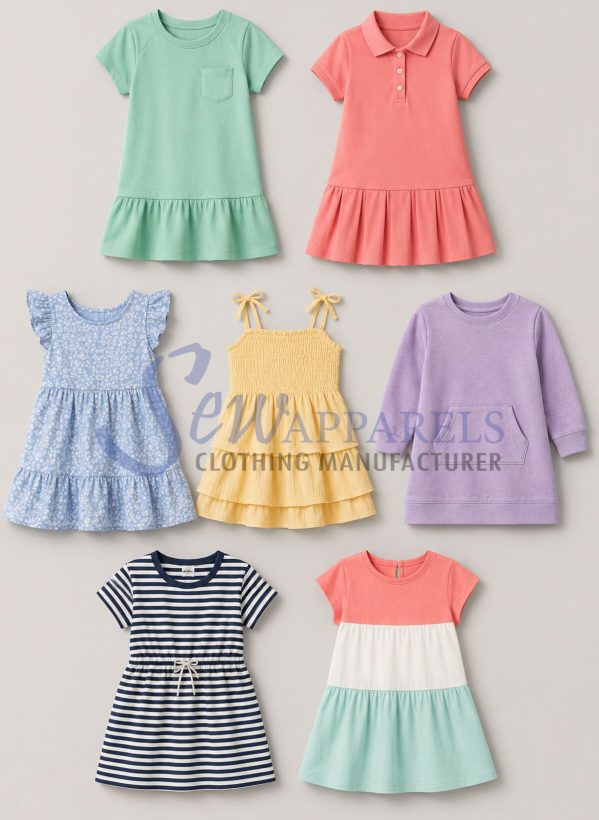
1. Define kids dress detachable sash specification scope
Begin the kids dress detachable sash specification by describing what the accessory is intended to do. State whether the proposed function is decorative, a styling option or another specified purpose. Give the reviewer the actual intended presentation and use. Do not let an inspiration photograph substitute for a written explanation of what the buyer expects.
A kids dress detachable sash brief should name the relevant dress style, sample version and proposed size range. Explain how the sash is presented with the garment and whether alternative wearing configurations are being proposed. List each alternative separately. The reviewer should not have to infer an intended use from the fact that the accessory can be removed.
For child dress sash target age review, submit the buyer’s proposed age description and the records supporting the size range. Mark provisional claims as provisional. Ask the qualified reviewer which product information is required for the assessment. This article does not convert a commercial size label into a regulatory conclusion or supply an age-based safety rule.
A children dress detachable accessory needs a clear identity in the development file. Give it a reference distinct enough to connect the artwork, material record, sample and evidence request. If the same accessory is proposed for multiple dress styles, identify each intended combination. Approval on one combination should not silently become approval for every garment carrying the same decoration name.
Keep styling references separate from instructions
A styling reference explains appearance, while an instruction describes an intended action or arrangement. Include both when they are relevant, but label their roles clearly. If a reference shows a configuration that has not been proposed or reviewed, flag that difference. The technical team should know which parts of the reference are requests and which are background inspiration.
2. Map Attachment and Use Configurations
The kids dress detachable sash specification should show how the accessory relates to the dress in each proposed state. Use named garment landmarks and an attachment record that the supplier can follow. Include the accessory’s assembled and detached states when those states are part of the development question. Avoid a general note such as attach at waist without an identifiable reference.
A kids dress sash attachment record can include the proposed attachment location, component identity, current drawing and sample version. Describe the mechanism being considered without assuming that a particular fastening method is suitable. If the buyer wants an alternative, treat it as a separate configuration and ask for the evidence needed to review it.
For a child dress decorative belt specification, identify the finished appearance and the technical information still required. Keep dimensional fields connected to the approved pattern or drawing, rather than inventing universal values. If the supplier needs additional details to prepare a sample, record that request and the response before marking the brief complete.
Children dress sash use instructions should describe the configuration the responsible team intends to assess. Confirm that the written wording matches the sample and drawings. Do not create improvised directions for a mechanism that has not been technically explained. Where an action or arrangement remains uncertain, ask the supplier and qualified reviewer for clarification.
Review differences between configurations explicitly
A detachable accessory can create several development questions, but the dossier should not merge them into one broad approval. Name each proposed arrangement and identify the evidence submitted for it. If one is rejected or remains unresolved, distinguish it from the configuration retained for further development. Preserve that decision so later sample revisions do not reintroduce an unapproved option.
3. Identify Material and Component Records
A kids dress detachable sash specification needs material information that matches the actual sample. Connect fabric, decoration and attachment components to their supplied references. Mark unknown information as unknown and request it from the relevant source. A visual colour match is not evidence that two accessory versions have the same material or component composition.
For kids dress sash material identity, collect the supplier reference, current specification and available supporting documents. Record the relationship between the accessory material and dress material, including kids dress lining choices where relevant. If a replacement is proposed, identify it as a change and explain which version it would replace. Do not carry the old approval forward merely because the replacement looks similar.
A kids dress waist tie component dossier should distinguish the pieces forming the accessory and the components attaching it to the dress. Name their sources where confirmed and list the records still requested. This makes the evidence discussion more precise than treating the entire accessory as one unspecified trim. Keep the documentation proportionate to the actual review question.
For kids dress removable belt traceability, connect the approved accessory reference with the production records used by the responsible business. The CPSC’s tracking-label guidance describes permanent identifying marks on children’s products and packaging to the extent practicable, including business and production-source information. Confirm the applicable marking arrangement for the actual product; this article does not prescribe one universal accessory label.
Keep evidence tied to the supplied combination
A record for a fabric or fastening component should state what it covers. Ask whether the evidence supplied relates to the current source and version. If the sample includes a different decoration or attachment combination, show that difference to the reviewer. A document bearing a familiar component name should not be assumed to address every later configuration.
4. Obtain Qualified Review of Relevant Questions
The kids dress detachable sash specification should include a review request for the exact product and intended use. Describe the accessory, attachment states, target range and market accurately. Ask a qualified party to identify the relevant hazards and requirements. This article does not mechanically apply a rule for a different garment category to a children’s dress.
Kids dress sash safety review questions should identify the unresolved issue and the evidence submitted. A useful request explains which configuration needs assessment and what has changed since the prior review. Avoid a general statement such as confirm safe that provides no product context. Keep the response, its scope and any requested follow-up with the dossier.
A children dress belt component review should distinguish design observations from the qualified assessment. The development team may record an attachment event or an unclear instruction without diagnosing the issue or setting a test limit. Submit those observations with the sample reference. Ask the reviewer what further evidence is required before accepting the proposed configuration.
The CPSC’s material-change testing guidance explains that changes to design, manufacturing process or component source can affect compliance. For a children’s product with a material change after initial certification, it describes retesting and issuing a new certificate, with the appropriate scope dependent on the change. The responsible party should determine the implications for the actual accessory and dress combination.
Make the evidence request actionable
A kids dress sash evidence request can name the question, current sample, reviewer and next action. If the response identifies a missing record or revised configuration, give that item an owner. Keep the review open until the requested evidence has been considered. A sample’s attractive appearance is not a substitute for closing the technical and regulatory questions identified in the review.
5. Approve the Exact Configuration with Care Information
Complete the kids dress detachable sash specification by connecting the accepted accessory, instructions and care information to the same version. A kids dress sash configuration approval should state the garment combination and conditions it covers. Identify any remaining restriction or unresolved question rather than presenting a partial review as a blanket release.
Kids dress belt care information should describe the reviewed arrangement for the garment and accessory. Request the information needed to understand whether the proposed care procedure treats them together or separately. Confirm the actual wording with the responsible technical party. This article does not prescribe washing temperatures, removal steps or care symbols for an unspecified material combination.
For kids dress accessory version control, retain the accepted drawing, sample and records under one current reference. Keep superseded documents distinguishable. When a change is proposed, describe the changed input and ask which reviews need updating. A quotation or production discussion should use the current configuration rather than an earlier sash that happened to remain in the file.
Kids Dress Detachable Sash Specification Dossier
On small screens, each dossier field appears as a labelled record.
| Field | Information to retain | Decision needed |
|---|---|---|
| Function and range | Intended use, garment style and proposed sizes | Confirmed review scope |
| Configuration | Attachment drawing and intended states | Version to assess |
| Materials | Accessory and component identities | Missing source records |
| Review request | Specific questions and supplied evidence | Qualified response and follow-up |
| Care and instructions | Reviewed wording and sample relationship | Remaining information gaps |
| Approval | Current references and change history | Release boundary and responsible owner |
Use the dossier to make a development meeting concrete. For example, if a proposed revision changes the attachment component while keeping the appearance, record both facts. The visual design may remain familiar while the component evidence needs review. Ask the responsible party to assess the change instead of treating a matching colour as proof that nothing important changed.
Prepare the Kids Dress Detachable Sash Specification Discussion
For custom kids dress manufacturing, share the sash design, intended garment combination and proposed target range through Sew Apparels’ kids dress manufacturing page. Confirm actual feasibility, scope and review requirements. No claim is made here that every proposed accessory is currently offered or approved.
For private label kids dress production, connect the accessory dossier with the wider product plan using the kids dress buying guides. A kids dress detachable sash specification is ready for its stated approval when the sample identity, intended configurations, material records and qualified responses describe the same current version.