
Performance jacket hood field of view should be reviewed while the wearer turns and positions the head, not only while standing still for a sample photograph. A hood may provide the preferred coverage at rest but place fabric or a brim in the line of sight during a forward lean. The buyer needs a defined fit review before approving the hood shape and adjustment system.
This guide concerns garment visibility and movement observations on an adult sample. It is not a clinical vision test, a protective-equipment assessment or proof that the jacket is safe for a particular activity. Conduct fit reviews in a controlled, clear area and stop if the hood obstructs the wearer’s view. Do not use traffic, cycling at speed or hazardous terrain to discover a sample problem.
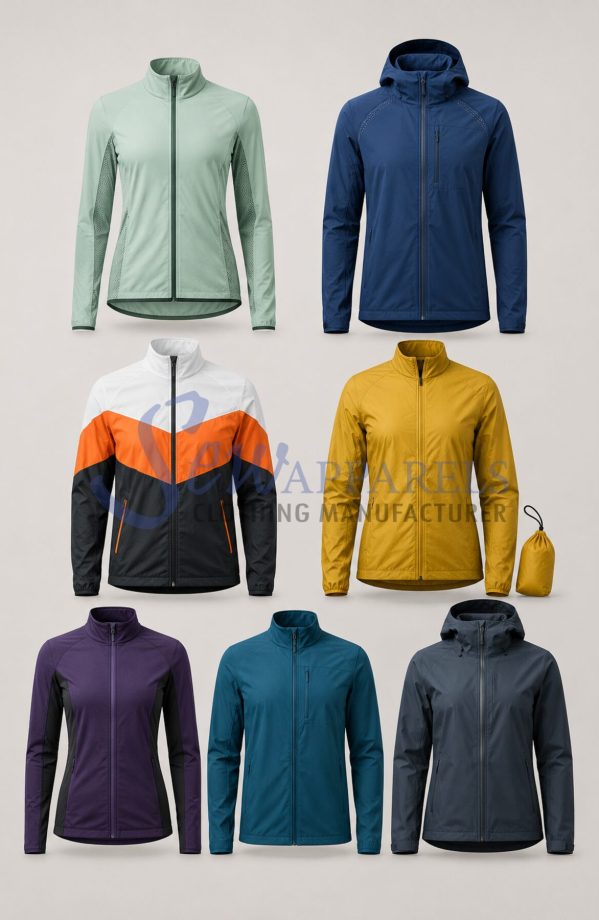
Why performance jacket hood field of view needs a movement brief
A hood’s opening, volume, brim, adjustment and collar connection work together. Tightening the opening can change coverage and fabric position, while excess volume can move differently from the head. Record the intended activity, adult garment size and headwear arrangement before selecting a correction. A result on a bare head does not establish compatibility with every cap, helmet or eyewear combination.
Sports jacket hood side vision and performance hood peripheral view concern what the wearer can see around the hood edges in the agreed positions. Avoid describing the result as an unrestricted field of vision. The brief should name the observed issue, sample and adjustment state so the developer can reproduce the concern without turning it into an unsupported medical or safety claim.
1. Establish the hood position and reference sample
Start performance jacket hood field of view with a hood wear trial reference. Identify garment size, hood construction revision, fabric, brim and adjustment details. Record the intended performance jacket hood position, collar closure state and any headwear or eyewear included in the brief. Photograph the initial arrangement from consistent angles.
Check that the jacket is worn in the intended fit and that the hood has been adjusted through the normal sequence. A trial with an unusually loose collar or a hood held back by hand does not represent the approved use. Record any intervention and distinguish the unadjusted state from the final chosen setting.
Use the same reference arrangement for comparisons. If the hood changes during development, keep the earlier sample and record the revised panel or adjustment details. A different garment size or headwear arrangement may produce useful information, but it should be labelled separately rather than treated as a controlled before-and-after comparison.
2. Observe rotation during ordinary head turns
For performance jacket hood field of view, examine hood movement with head turns through the agreed comfortable sequence. The wearer should turn within a normal range while the reviewer observes the hood opening and fabric position. Record whether the hood follows the head, lags behind or brings a side panel into the line of sight.
Arc’teryx’s StormHood design explanation describes a construction and compression system intended to position the hood while allowing head rotation without obstructing the view. This illustrates why hood shape and adjustment need to work together. It is a specific branded design, not evidence that a proposed custom jacket has the same mechanism or result.
Running jacket hood rotation should be reviewed without requiring an uncontrolled running test. A stationary, controlled movement review can identify an initial obstruction. If the product brief later needs an activity trial, agree suitable conditions and review the sample first. Do not claim that one simple head-turn sequence proves visibility in every situation.
3. Review the brim and forward lean
Extend performance jacket hood field of view to the intended forward-lean posture. Record the active jacket hood forward lean condition and the hood brim line of sight. A brim that sits acceptably upright may move downward when the wearer changes position. Observe whether the opening or fabric blocks the relevant view and whether the hood remains in its intended position.
Keep the movement sequence and adjustment state consistent. A reviewer should not silently pull the brim upward between photographs. If resetting the hood is needed, record the initial issue and the adjustment separately. This distinction helps identify whether the wearer can manage the hood through normal operation or the sample needs a construction revision.
Review brim shape and its connection to the hood without assuming that stiffness alone solves the problem. A shape or angle change can affect coverage, pack behaviour and appearance. Check the revised sample rather than approving a generic instruction to make the peak harder. Any weather performance claim requires separate suitable evidence.
4. Include eyewear and collar interaction
A useful performance jacket hood field of view review includes hood fit with eyewear where the intended use calls for it. Identify the actual eyewear reference and observe contact, displacement or interference during the defined movements. Do not assume that a bare-face review applies to every frame or lens arrangement.
Hood collar interaction can change the opening and movement. Record the collar closure state and whether its height or construction affects head turns. A hood that looks independent on a drawing may be pulled or repositioned by the collar when the wearer moves. Review that relationship on the installed garment, including the relevant inner layers.
Separate hood fabric visual obstruction from an eyewear issue. Describe the location and condition: for example, a side panel moving inward during a turn or a brim contacting a frame during a lean. Avoid labelling every complaint simply as poor vision. The developer needs a construction-specific observation that can support a targeted correction.
5. Check the adjustment operation and review range
Performance jacket hood field of view should include a hood adjustment visibility trial. Record how the wearer reaches and operates the controls, the chosen setting and the resulting fabric position. If the intended use includes gloves, coordinate the review with the cuff and glove compatibility trial. An adjustment that improves one view can change another, so repeat the relevant turns and lean positions after the change.
Rab’s Downpour Jacket description provides an example of a hood with one-handed adjustment and a stiffened peak. These are specific product features that show why operation and brim construction belong in the brief. They do not guarantee a particular custom sample’s field of view or establish equivalent Sew Apparels features.
Review the intended size and headwear range rather than only one convenient sample. Record which combinations were actually assessed and which remain open. If the brief includes helmets or caps, identify the references and conditions separately. Do not transfer an approval for one hood volume or adjustment arrangement to every headwear option.
6. Map complaints and approve a verified correction
Close performance jacket hood field of view with hood view complaint mapping. Link each observation to the sample, posture, adjustment and obstruction location. Photograph the relevant fabric or brim position, and record the wearer’s description alongside the reviewer’s observation. This makes the correction more precise than a request to increase the hood size.
Hood fit sample correction may involve shape, volume, opening, brim, adjustment placement or the collar connection. Identify the proposed change and repeat the relevant review on the revised garment. If several features change together, approve the complete revised version rather than claiming that one alteration alone caused the improvement.
Hood field view approval should state the reviewed sizes, configurations and movement sequence, along with unresolved issues. A result applies to those conditions. It does not justify an absolute claim that the hood never obstructs vision or guarantees accident prevention. Keep the construction and evidence reference with the final garment specification.
Keep the fit evidence clear enough to reproduce
For performance jacket hood field of view, use a compact record with garment version, size, adjustment state, headwear, eyewear, collar state and movement observations. Add photographs taken consistently and a clear decision. Distinguish an initial obstruction from the result after normal adjustment so the record does not conceal a problem through manual repositioning.
An illustrative comparison might show Sample A staying stable at rest but moving a side panel inward during a head turn, while Sample B rotates better but lowers its brim during a forward lean. Neither automatically provides the final answer. The buyer should resolve the remaining issue and repeat the relevant sequence. These are hypothetical development observations, not Sew Apparels performance data.
Use the evidence to locate the cause. A problem linked to collar tension may need a different correction from excess crown volume. A brim issue may need a shape review rather than tighter face adjustment. Keep the proposed change connected to the observed condition and preserve the earlier sample reference so later development decisions remain traceable.
Frequently asked hood development questions
Can field of view be approved from a front photograph?
A photograph at rest shows one arrangement only. It does not establish the fabric position during head turns or forward lean. Use the agreed movement review and document the actual conditions before approving the hood.
Does making the hood larger improve visibility?
Additional volume can change fit and movement, but it is not a universal solution. Review the opening, brim, adjustment and collar interaction together. Test the revised construction rather than assuming that a size increase removes every obstruction.
Does a helmet-compatible description cover all eyewear?
Those are different interface questions. Identify the actual headwear and eyewear references and review the combinations intended by the brief. A general description is not evidence for every pairing.
Put the approved hood into the production brief
For custom performance jacket manufacturing, send the hood drawing, construction reference, intended headwear and fit record together. For private label performance jacket production, retain those details across size development and reorders. Request confirmation of current sampling and construction options rather than assuming that a branded hood mechanism or particular visibility result is already available.
Use the custom performance jackets manufacturing page for the product enquiry. Consult the Performance Jackets Buying Guides for related garment decisions. Keep performance jacket hood field of view supported by the actual adjusted sample and reviewed movement conditions before releasing the final specification.