
Performance jacket replacement zip parts planning helps a brand decide what service parts to purchase before releasing the garment order. A spare slider, puller or complete zipper is useful only when it matches the approved system and a feasible repair route. Buying a bag of generic parts does not establish compatibility, repair permission or future availability.
Begin with the actual adult jacket and its zipper specification. Identify the chain, slider, opening arrangement, stops and attachment details, then ask the component supplier and repair provider what can be replaced. This guide concerns procurement and evidence. It does not provide an improvised zipper repair procedure or promise that Sew Apparels stocks a particular supplier’s parts.
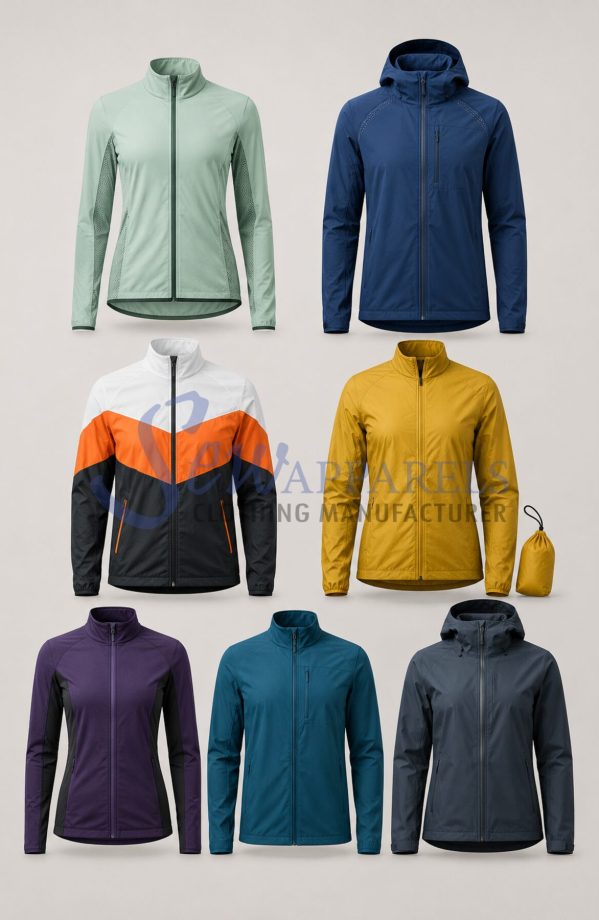
Why performance jacket replacement zip parts planning starts before bulk release
A replacement decision becomes harder when the production zipper reference is missing or a supplier changes the component. The brand may have a spare puller that cannot be attached to the slider, or a slider that matches the colour but not the chain. Keep the approved zipper system identifiable in the garment specification and service record.
A main jacket zip spare slider also differs from a spare part for a closed pocket zipper. Jacket front openings, two-way arrangements and other system details can affect the repair route. The service plan should distinguish those locations instead of treating all zippers on the garment as one item. Keep the zip pocket construction record with the location-specific component reference. A parts inventory needs a clear purpose for each reference.
1. Identify the complete zipper system
Start performance jacket replacement zip parts planning with the zip supplier component code and approved documentation. Record the supplier, chain type and size, slider reference, opening arrangement, finish and zipper length where relevant. Include the garment location and construction revision. A visible marking or photograph can support identification, but ask the supplier to confirm the complete reference rather than guessing from appearance.
Zip system component compatibility needs more than nominal size. Chain construction, slider geometry, front or reverse orientation and locking behaviour can matter to the assembly. Record the actual proposed spare against the approved zipper. Request written supplier confirmation or an appropriate matching reference, and keep a sample for verification.
For jacket replacement puller sourcing, distinguish the puller from the slider body. Some designs permit a specified puller to be fitted; others require a different service route. Do not assume that any decorative puller can replace an integrated part. Branding and finish preferences should be evaluated after the attachment and functional compatibility are established.
2. Confirm what repair is feasible on the garment
The next stage of performance jacket replacement zip parts planning is a zip repair feasibility record. Identify the component that can be replaced, the person or provider authorised to do the work and the condition of the remaining zipper. Damage to the chain, tape or garment attachment may require a different intervention from a damaged slider. A service part cannot correct every failure.
YKK’s Revived Top Stop information illustrates a system designed for slider removal and repair through a particular top-stop construction. Its care information includes product and sewing restrictions, including exclusion from children’s clothing. This is a specific supplier design, not proof that a conventional jacket zipper offers the same repair route. Ask about applicability to the proposed component rather than transferring its feature to another system.
Review the installed zipper as well as the loose component. Lining, facings, reinforcement and sewing around the stops can affect access. Record whether the approved repair can preserve the intended appearance and operation. If it involves opening a seam or replacing the full zipper, identify that route and its implications before describing the garment as readily repairable.
3. Check supplier instructions and permission scope
For performance jacket replacement zip parts planning, request the current main zipper repair instructions for the exact system. A qualified repair provider should review them against the installed garment. Keep the jacket repair permission scope clear: who may perform the work, which parts are approved and when further assessment is needed. This is a service decision, not an automatic warranty promise.
YKK’s Revived Replacement Slider information provides another example of a specifically scoped repair product. It identifies a closed-end repair/replacement application and restrictions concerning other suppliers’ chains and children’s products. The supplier also makes the repaired outcome dependent on the existing zipper’s condition. It must not be presented as a universal replacement for a jacket’s open-end main zipper.
Use supplier instructions as the basis for the competent provider’s approved route, not as a reason to publish an improvised adjustment or cutting method. Confirm any post-repair checks and record the result on the actual garment. A slider that moves once is not automatically evidence that all intended functions, attachments or product claims remain satisfied.
4. Request a clear parts quotation and availability statement
A useful performance jacket replacement zip parts planning enquiry names the exact spare and requested quantity. The performance zip spare part quote should identify component reference, finish, unit, minimum order, lead time and any additional handling or packaging charge. Ask whether the part is sold separately or only through a different supply arrangement. Do not infer a current offer from a catalogue example.
Zip part availability confirmation needs a date and a supplier response. A part available during development may not be held for the entire product lifecycle. Ask what commitment, if any, is offered for the intended period and quantity. If there is no commitment, record that uncertainty rather than making a future service promise based on today’s stock.
Differentiate the zip spare stock commitment from normal bulk trim supply. If the brand intends to reserve parts, specify who holds them, who owns them and how they can be released. Confirm whether a repeat purchase would use the same component reference. Any substitution must receive a compatibility review; a similar finish or price does not justify silent replacement.
5. Select quantities and control storage identity
Performance jacket replacement zip parts planning should connect the spare slider order quantity to the actual service model. Consider the approved order size, component locations, expected support period and any reliable failure or service history. Do not invent a universal spare percentage. Where no history exists, label the initial reserve as a planning assumption and review it as actual service information develops.
Spare trim storage identity should preserve supplier code, garment version, zipper location and finish. Separate references that look similar, and label containers so the repair provider can identify the correct part. Keep the supplier’s storage guidance where provided. A mixed bag without traceable references creates a mismatch risk even when the purchased parts were correct.
Maintain a release record showing the part issued, garment or order reference, repair provider and outcome. This helps the brand detect repeated mismatch, unsuitable stock or an issue requiring a specification review. Service records should inform later procurement without turning a small sample of repairs into an unsupported lifetime failure prediction.
6. Approve the service parts budget and purchase decision
Close performance jacket replacement zip parts planning with the performance jacket service parts budget. Separate parts purchase, storage, handling, repair labour and any shipping or full-zip replacement costs relevant to the model. Identify which charges are confirmed and which remain assumptions. A cheap slider is not the complete cost of supporting an installed garment.
The repair parts purchase decision should state the approved references, quantities, availability basis and responsible owner. Include the feasibility record and any unresolved issues. If the system cannot support the proposed repair route, review the original zipper selection or adopt a different service plan rather than buying unverified spare parts.
Zip component mismatch prevention needs a change process after approval. A production substitution, revised slider or altered stop construction may invalidate the reserve stock or instructions. Require the changed reference to be assessed against the service plan before approving it. Keep the original and revised versions identifiable so older garments receive appropriate support.
A practical record for buyers and service teams
For performance jacket replacement zip parts planning, one concise record can link the garment specification, zipper supplier code, proposed spare, confirmed compatibility and repair route. Add the quote date, order quantity, stock owner, storage location and instructions version. Retain the supplier’s confirmation and evidence from a representative installed garment.
A hypothetical case shows why this matters. A brand buys spare sliders for a pocket zipper but later needs a main front zipper repair. The stock may be correctly labelled and still be unsuitable for that location. The remedy is a location-specific component review and a feasible repair decision, not a claim that all same-size sliders interchange. This is an illustration, not Sew Apparels service data.
Review the reserve when a new colour, jacket version or supplier is introduced. Decide whether the same approved reference applies or a separate stock line is needed. Avoid overstating availability: a planned reserve can support a defined service arrangement, but it does not guarantee indefinite parts supply, repair success or a particular environmental benefit.
Frequently asked procurement questions
Can any slider with the same size marking be used?
A marking alone is not a complete compatibility confirmation. Obtain the supplier reference and assess it against the chain and arrangement. Check the relevant instructions and installed garment before authorising the service route.
Should the brand purchase spare pullers or full sliders?
The answer depends on the approved system and feasible replacement operation. Some problems may require a complete zipper rather than either part. Ask the supplier and repair provider to identify the appropriate stock instead of buying on appearance alone.
Does holding spares mean every zipper can be repaired?
No. The condition of the remaining zipper and garment matters. A damaged chain, tape or attachment can change the decision. Keep repair feasibility and parts availability separate in the approval record.
Put the service plan into the manufacturing brief
For custom performance jacket manufacturing, send the zipper reference, service expectations and proposed spare-part record with the garment specification. For private label performance jacket production, keep that reference connected to reorders and construction changes. Request confirmation of current sourcing, sampling and commercial options rather than assuming a particular branded component or reserve service is included.
Use the custom performance jackets manufacturing page for the product enquiry. Consult the Performance Jackets Buying Guides for linked development topics. Keep performance jacket replacement zip parts planning supported by confirmed component identity, repair feasibility and the actual purchase terms before bulk release.