
Scrub cap deadstock fabric order planning starts with a purchasing decision: can this specific, finite material lot support the proposed cap order? An attractive print or discounted roll is insufficient evidence. The buyer needs to connect lot identity, usable quantity, material condition and intended use before committing to cutting. An existing stock lot may suit a controlled short run, but it can also create shortages, inconsistent appearance or a repeat-order promise that cannot be fulfilled.
This guide concerns ordinary apparel development. Deadstock does not establish sterility, protective performance or clinical suitability. Any institutional acceptance requirements need separate confirmation. Use scrub cap deadstock fabric order planning to record what is known, distinguish estimates from measured results and decide whether to reserve, investigate or decline a proposed lot. It does not imply that Sew Apparels holds particular surplus fabric or that any quoted material is currently available.
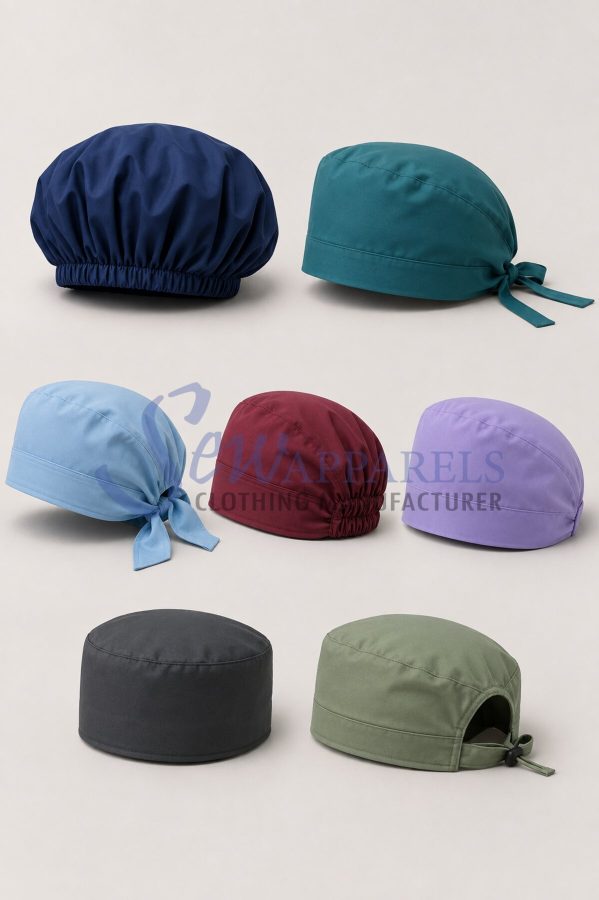
1. Establish a traceable lot before discussing quantity
Begin with the seller’s material reference, lot or roll identifiers, stated composition, construction, finish, width and stock location. Ask which information comes from original documentation and which comes from a reseller’s description. A fibre name inferred from touch is not the same as supported composition evidence. Keep the date of the stock confirmation because availability may change while samples are reviewed.
For scrub cap limited fabric lot sourcing, identify whether the offer includes continuous rolls, separate remnants or mixed pieces. Request a roll-by-roll inventory rather than one combined metre figure. Record restrictions such as an entire-lot purchase, exclusions for damaged sections or uncertainty about the original finish. These terms affect whether the material is commercially usable for your proposed cap style.
Scrub cap fabric lot composition evidence should connect the quoted material to its documents and sample. Where the evidence is incomplete, mark the issue unresolved rather than publishing an assumed fibre blend. The FTC textile labeling guidance describes fibre content, origin and responsible business disclosures for most covered products in the United States. The same guide lists headwear worn exclusively on the head as outside Textile Act labeling coverage, while noting that wool hats are covered under the Wool Rules. Do not automatically apply a general clothing disclosure checklist to every non-wool scrub cap. Confirm applicability for the destination and product; a fabric invoice alone does not settle every finished-product labeling obligation.
Maintain scrub cap stock lot traceability with photographs of identifiers, sampling locations and the supplier’s dated confirmation. If the sample has no traceable connection to the offered rolls, request that connection before using it as an approval standard. Scrub cap deadstock fabric order planning should keep a missing record visible until a named person resolves it.
2. Separate existing stock from recycled and environmental claims
Describe the transaction accurately: an identified existing fabric lot is being considered for a defined order. That description does not automatically make the fabric recycled or certified. Unused stock, an older print, a remnant and a documented recycled input represent different facts. Do not allow a sales description to become an unsupported claim on a cap label, quotation or product page.
A practical scrub cap deadstock claim distinction records the material’s stock status separately from any certification evidence. Textile Exchange’s RCS and GRS overview explains third-party verification of recycled material and chain of custody. A deadstock description by itself does not supply that evidence. Review current requirements before making certification or logo claims; standards and transition arrangements can change.
Keep the marketing decision separate from the material decision. A lot can be usable without supporting a broad sustainability claim. Conversely, a documented input still needs assessment for the actual cap construction and intended care. Scrub cap deadstock fabric order planning should state the claim approved for use, its supporting record and any wording deliberately withheld because evidence is absent.
3. Inspect condition against the approved cap specification
Inspect representative material from the offered lot, including different rolls or remnant groups where variation is possible. Record discoloration, odour, surface damage, print defects, uneven width and other observable concerns. Agree how inspection observations will be documented and reviewed. A clean-looking small sample cannot demonstrate the condition of every metre in a mixed lot.
Scrub cap deadstock condition inspection needs a defined sampling plan and an agreed response when material differs from the sample. Ask about storage history where it is available, but distinguish the seller’s statement from independent observations. Do not describe storage history as proof of hygienic suitability. Material with unresolved condition issues should remain on hold for the purchasing decision.
For scrub cap lot-specific material approval, compare the production-intent sample with the actual pattern, seams, ties or elastic and planned care process. Review drape, seam appearance, shrinkage and print behavior where relevant to the specification. Document the conditions and observations rather than claiming that a sample passed unnamed tests. This assessment complements the existing fit specification; it does not replace the wearer and hair-volume review.
Use the Scrub Caps Buying Guides to connect the lot decision with the cap’s established construction requirements. Scrub cap deadstock fabric order planning addresses whether this material can support the order, while the approved style file continues to define the finished cap.
4. Convert available fabric into a defensible order allocation
Available metres are not finished cap units. Width, piece length, defects, grain direction, print alignment and the approved pattern all affect usable cutting yield. Have the responsible cutting team review the real material and marker assumptions. A yield estimate derived from a different width or cap design should not be presented as a confirmed production quantity.
In scrub cap deadstock quantity planning, separate gross stock, material reserved for inspection and development, rejected sections, usable cutting allocation and remaining balance. State the units for every entry. Record whether each figure is measured, supplier-confirmed or provisional. Avoid hiding uncertainty inside an unexplained wastage percentage.
A scrub cap fabric remnant yield estimate should consider each piece’s useful dimensions, not just total length. Several short pieces may offer less practical yield than one continuous roll, particularly when print positioning matters. If the cutting review requires actual pieces, keep the quotation conditional until they have been assessed. Do not promise a finished quantity from an unverified remnant inventory.
Set the scrub cap unusable fabric allowance from documented findings and agreed planning assumptions. Show what it covers and who approves it. During scrub cap short run fabric allocation, reserve development samples and agreed replacement needs before assigning the remaining fabric to colour or print variants. Scrub cap deadstock fabric order planning becomes useful when the buyer can see why the proposed unit quantity is feasible.
5. Agree on repeat-order limits and substitutions
A finite lot can create a successful initial order and still be unsuitable for a programme that requires identical replenishment. Ask the buyer whether continuity is essential. Record the expected reorder route without promising future stock. Neither the manufacturer nor reseller should infer that a discontinued print can be reproduced simply because the first lot is available.
For a scrub cap limited print repeat order, distinguish confirmed remaining stock from an unconfirmed future source. Explain whether a later order would require new fabric development, a different print or a fresh material approval. Keep this limitation in the commercial file so the purchasing team does not lose it when the sample is accepted.
Define scrub cap existing fabric substitution options before a shortage occurs. Options might be evaluated later, but no substitute should be treated as approved merely because its colour looks similar. Composition, finish, width and care behavior can change the result. Identify who can authorize a replacement and which approvals must be repeated.
Scrub cap deadstock fabric order planning should allow a clear choice: accept a limited programme with documented restrictions, seek a repeatable material, or postpone the purchase until continuity is understood. None of these outcomes requires inventing demand, prices or supplier capability. The correct choice depends on the buyer’s own replenishment needs and evidence.
6. Make the quotation and release specific to the lot
A scrub cap existing stock fabric quotation should identify the lot, proposed cap style, quantity assumptions and included scope. Separate the material reservation from the manufacturing quotation where they are different commitments. Record quote validity, availability confirmation and any unresolved approval conditions. A quotation should not appear unconditional when the underlying stock is still unverified.
Document scrub cap surplus fabric purchasing terms, including ownership of unused stock, responsibility for condition discrepancies and the agreed treatment of shortages. Confirm the actual terms with the parties; do not insert assumed return rights, reservation periods or charges. For a scrub cap material reservation quote, identify what constitutes a reservation and when it expires, if those terms are actually provided.
Use the following worksheet for scrub cap deadstock fabric order planning. Add confirmed values and named evidence owners rather than filling blanks with convenient assumptions.
| Decision field | Evidence to record |
|---|---|
| Lot identity | Roll references, composition documents and traceable sample |
| Usable allocation | Inspected quantity, piece dimensions and cutting review |
| Approval status | Material observations, care sample and open questions |
| Continuity | Confirmed balance and repeat-order limitations |
| Commercial release | Lot-specific quote, reservation terms and responsible approver |
Release the order only when the evidence supports it
Before release, compare the worksheet with the final quotation and cap specification. Confirm that no unresolved composition, condition or allocation issue has disappeared from the paperwork. Mark the decision approved, conditional or declined, with the date and responsible person. Archive the supporting records so later replenishment discussions start from facts rather than memories.
For custom scrub cap manufacturing, share the proposed lot details, intended quantities and approval requirements to discuss feasibility and current availability. A private label scrub cap production brief should retain the same evidence boundaries. Scrub cap deadstock fabric order planning succeeds when the purchased lot, approved cap and commercial promise describe the same controlled order.