
Sports jersey replacement batch colour matching starts with a decision about what the new garments must match: the approved original colour or the team’s currently worn kit. Those are different targets. A replacement can reproduce the production standard accurately and still look brighter beside shirts that have experienced washing, sunlight and repeated use. Resolving that distinction before sampling protects team identity and prevents avoidable disputes at delivery.
For clubs, schools and private-label buyers, a repeat order should carry a colour brief alongside the size list and personalisation file. The brief identifies the physical reference, fabric version, print master, viewing conditions and approval owner. A photograph or a familiar colour name helps communication, but neither establishes a dependable acceptance standard on its own.
This guide explains six practical reorder checks. It supports sourcing conversations for custom sports jersey manufacturing; it does not promise an identical match to every aged garment or claim that a particular test has already been performed on your order.
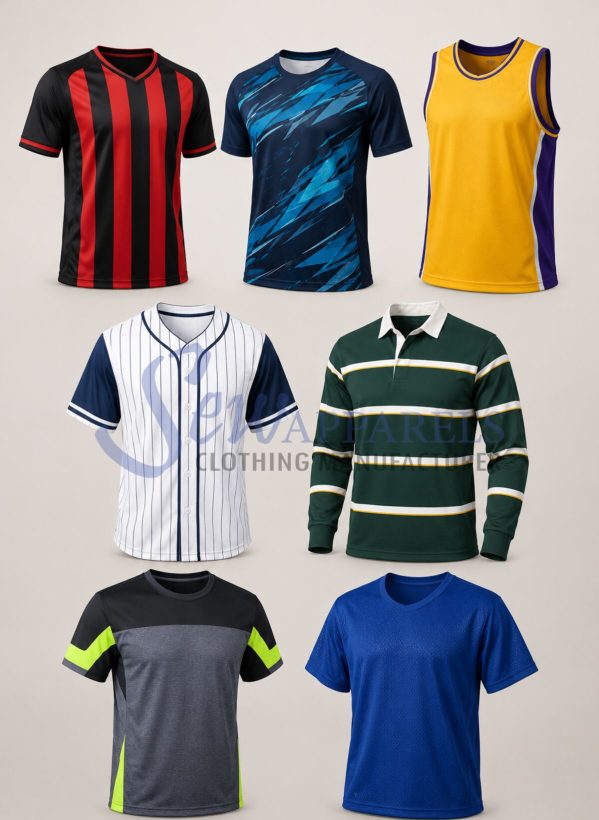
1. Define the colour target before requesting a replacement
A team jersey repeat batch colour reference should come from the original approved order record wherever possible. Identify the style, season, artwork revision, fabric and approval date. Use a protected original jersey standard or a retained production swatch that has been stored away from prolonged light, moisture and handling. Confirm that the reference still represents the approved garment rather than a rejected development sample.
A worn kit fade comparison serves a separate purpose. It shows how a new shirt may look beside the existing team wardrobe. Record the age and care history of the comparison garment if known. A heavily worn shirt can have uneven fading, staining or local abrasion, making it unsuitable as the only master for a repeat production run.
Sports jersey replacement batch colour matching becomes clearer when the purchase brief names one controlling target and one contextual comparison. For example, a club may require the original approved blue while reviewing a used shirt only to understand the likely visual contrast. Alternatively, the buyer may request a deliberately adjusted replacement shade for a short-lived squad kit. That adjustment needs its own approval and must not silently overwrite the original standard.
Ask who owns the decision
The team manager, distributor and brand designer may have different expectations. Nominate one colour approval owner and state whether sponsor artwork has an independent colour requirement. A decision accepted by a coach does not necessarily resolve a sponsor’s logo specification. Capture both responsibilities before the sample is produced.
2. Preserve the substrate and print master
An archived artwork file is necessary, but it is not the complete repeat recipe. A sports jersey archived print master should identify the approved artwork version, colour settings and production reference. Separately record the repeat substrate version: fabric composition, construction, weight, base shade and any relevant finish. A different white fabric or mesh can change the appearance of a printed colour even when the digital artwork remains unchanged.
Keep the replacement print colour master linked to the actual approved material. Where a jersey includes solid body fabric and mesh inserts, assess both materials rather than assuming one swatch represents the whole garment. Also identify trims, collars and numbering materials whose colours contribute to the final kit appearance. Matching a body panel while overlooking a contrasting neckband can leave an obvious inconsistency.
Sports jersey replacement batch colour matching should include a change declaration from the supplier. Ask whether the original fabric, printing route and relevant process settings remain available. If a material has been discontinued, treat the proposed substitute as a development change. Connect availability decisions to the blank stock personalisation strategy when retaining compatible sizes. Request a new sample and document the accepted difference instead of describing the reorder as unchanged.
Separate artwork identity from production identity
A file with the same filename can contain a revised colour value. Preserve version identifiers and approval records, and ask which file the replacement batch will use. Avoid changing colour values simply to make a screen preview look closer to a phone photograph. That can introduce another uncontrolled variable without improving the physical garment match.
3. Set a realistic replacement jersey shade tolerance
A replacement jersey shade tolerance needs an agreed evaluation method and a named reference. Saying “same blue” leaves the supplier and buyer to interpret acceptable difference independently. Where instrumental assessment is required, agree the measurement method, colour-difference formula, equipment settings, specimen preparation and limit with a competent provider. A numerical limit has little meaning when those conditions are undefined.
Visual assessment remains useful for the assembled garment. AATCC EP9 on visual colour difference evaluation describes a standardised approach to comparing textile specimens with a standard. Its public scope supports using a consistent comparison procedure; it does not supply a universal pass limit for every sports jersey. Specify the applicable procedure with the testing provider rather than improvising a certification claim.
For sports jersey replacement batch colour matching, record whether acceptance applies to individual panels, the completed shirt or the kit worn together. Surface texture, mesh openings and panel orientation can affect visual judgement. Assess clean, dry specimens under agreed conditions, and avoid comparing a crumpled new jersey with a stretched or damp used shirt.
Use an acceptance record that someone can reproduce
Write the reference identifier, assessment conditions, observed difference and approval outcome on the sample record. Photographs can support that record, but camera processing and displays make them unsuitable as the sole colour acceptance method. If different reviewers disagree, return to the agreed physical standard and conditions before changing production.
4. Review the new batch under relevant light sources
A new batch light source review helps identify a match that changes with the viewing environment. X-Rite’s explanation of metamerism describes colours that appear matched under one light but differ under another. For a team kit, discuss the intended environments and agree which controlled light sources will govern approval. A warehouse comparison alone may not reflect the buyer’s chosen assessment conditions.
Keep specimens beside each other with consistent orientation and a suitable neutral viewing background. Include the main fabric, mesh, logo and numbering where relevant. Record any visible direction of difference, such as the replacement appearing redder or darker than the standard. This is more useful than an unqualified instruction to “improve the colour.”
Sports jersey replacement batch colour matching should not be approved from changing daylight through a window and then rejected under an unrelated room lamp without an agreed rule. Define primary acceptance conditions and any secondary checks in advance. If the materials match in one condition but separate noticeably in another, ask the supplier to explain the material and process options before accepting the risk.
Keep evidence proportionate to the order
A club does not need to purchase laboratory equipment to write a clear brief. It does need an appropriate supplier or testing-provider assessment when the colour requirement warrants one. Confirm what evidence will be supplied, its cost and lead time, and which production materials it covers. Do not treat a generic report from another fabric as proof for the replacement.
5. Decide between a single replacement and a coordinated set
The single replacement versus set decision depends on how the kit will be used. One new shirt placed beside ten differently aged shirts may reveal contrast even when it meets the original standard. Replacing a coordinated set can improve uniform appearance, but it increases cost and is not automatically necessary. Compare the practical alternatives before making a purchasing decision.
Investigate a new jersey old kit colour mismatch against both references: the protected original and the used garments. If the replacement meets the original but the old shirts have changed, that evidence supports a different conclusion from a batch that misses the original target. Keep these cases separate in the reorder shade decision and any commercial discussion about corrective action.
Sports jersey replacement batch colour matching may require a buyer-approved compromise. A team could accept a new garment matching the original standard, approve a specially adjusted shade for a particular replacement, or commission a new coordinated kit. Record which option was selected and the intended use. Never promise that one adjusted shade will match every garment in an unevenly aged wardrobe.
Do not lose the long-term master
If an adjusted replacement is approved, label it as a separate version. An old jersey unsuitable master should not gradually become the new brand standard through repeated copying. Retain the original approved target so a future full-team order can return to a defined colour rather than accumulating uncontrolled adjustments season after season.
6. Approve the lot and preserve the repeat order shade record
Replacement lot approval should identify the material lot and actual production sample being accepted. A development swatch shows a proposed result; it does not automatically establish that every shipped garment matches it. Agree how the supplier will check the finished batch, report exceptions and obtain a decision before dispatch where required. Keep the release responsibility clear.
Maintain team colour continuity evidence in the order folder: original reference, current sample, fabric and artwork versions, viewing conditions, assessments, approval owner and date. Note any accepted deviation and whether it applies only to this replacement lot. Store a retained sample appropriately and give it an identifier that the next purchaser can find.
For sports jersey replacement batch colour matching, a repeat order shade record should survive staff changes. Send the supplier the reference identifier rather than a message saying “use last year’s colour.” Include the purchase order and approval attachment in the handover. A concise record often prevents more confusion than several unlabelled photographs scattered across messaging threads.
Sports jersey replacement batch colour matching brief
Before requesting a quotation for private label sports jersey production, provide the style, quantities, sizes, required date and personalisation changes alongside the colour decision. Ask for confirmation of material availability, sampling steps, colour assessment and any additional development charges. Review the wider production choices in the Sports Jersey Buying Guides and keep the replacement brief attached to the order.
Sports jersey replacement batch colour matching works best when the buyer and supplier agree the reference, method and approval evidence before bulk production. Protect the original master, evaluate aged kit separately, and document every intentional change. That gives the team a defensible purchasing decision and makes the next reorder easier to control.