
Visitor hi vis vest loan stock needs more than a basket of bright garments at reception. A usable issue pool depends on approved models, identifiable garments, reliable return handling and a clear distinction between available stock and items awaiting review. This guide explains a practical control process for buyers and site teams planning a reusable visitor vest pool. It does not establish protective performance, certify a garment or replace the workplace assessment that determines suitable equipment.
A visitor may stay for only a short appointment, but the garment still needs to match the intended activity and the site’s approved requirements. Purchasing, reception and the person responsible for protective equipment should agree who controls each stage. Start with the specification, then connect each physical vest to its operational history. The following six checks help prevent a returned item from being treated as ready merely because it is back on the shelf.
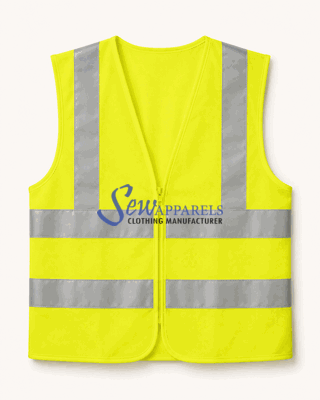
Visitor high visibility stock control should make the approved model, current status and next responsible action easy to identify. Keep visitor vest model control in the purchasing record and visitor vest stock reconciliation in the issue process; neither record alone establishes protective performance.
1. Define the approved visitor hi vis vest loan stock
Set a model control record before assigning garments to the issue pool. Record the supplier reference, model revision, ordered sizes, colour, closure and any approved customisation. Identify the documents and wearer information associated with that exact configuration. A similar-looking replacement should not enter the pool automatically. Its identity and suitability need the same review as the first delivery.
Visitor hi vis vest loan stock model control should connect purchasing approval with the physical stock. If several approved models are held, keep them distinguishable in records and storage. Explain which model applies to each approved use rather than allowing reception staff to infer suitability from colour. Where the task or visitor route changes, refer the requirement back to the responsible person before changing the issue arrangement.
For a manufacturing enquiry, use the custom hi-vis vest product page with the proposed model specification and documentation questions. Discuss custom hi vis vest manufacturing against those requirements, without assuming that a new logo, size or construction change has already been assessed. The buyer should confirm the applicable evidence for the final ordered configuration.
2. Separate garment identity from visitor identity
A hi vis loan garment identifier belongs to the vest. An issue reference belongs to the borrowing event. Keeping those concepts separate helps trace an item’s returns and care history without unnecessarily placing a person’s details on a garment label. Decide what the visitor vest loan register actually needs to establish: which vest left the pool, its intended return point and whether it came back.
Visitor hi vis vest loan stock records should collect only information needed for their defined purpose. A short issue code may support reconciliation, but it is not automatically anonymous. If it can be linked to a visitor through another system, it may still identify that person. Avoid describing a hi vis vest anonymous issue code as anonymous unless the organisation has verified that description.
The UK’s ICO data minimisation guidance explains that personal data should be sufficient, relevant and limited to what is necessary for its purpose. That guidance is under review following legislative changes and applies within its UK context. Obtain appropriate advice for the site’s jurisdiction, including decisions about access, retention and information given to visitors.
A workable hi vis vest issue return record might connect a garment asset code with an issue event, dates, location and return status. The organisation should decide whether further identity information is necessary. Restrict record access according to responsibility. Do not add unrelated visitor information just because a spreadsheet offers empty columns or because it might become useful later.
3. Count usable stock rather than total garments
Visitor vest usable stock count should exclude garments that are issued, awaiting return inspection, undergoing care, held for review or retired. Define each status in plain language. A returned vest may be physically present without being available. Give staff a clear transition between return receipt and release back to the visitor vest issue pool.
For visitor hi vis vest loan stock, the storage arrangement should support the status record. Separate items awaiting checks from those released for issue. Label storage locations clearly and avoid an unmarked overflow basket where statuses become mixed. Decide who can release a garment and how that decision is recorded, particularly when reception cover changes during the day.
Plan availability by approved model and size, not solely by an overall total. Twenty garments do not demonstrate that the necessary size is available for the next visit. Review expected demand with the responsible site team and define an escalation route when suitable stock is unavailable. Do not substitute an unsuitable garment simply to keep an appointment moving.
Hi vis vest visitor inventory within visitor hi vis vest loan stock can remain simple if the definitions are consistent. A paper log or spreadsheet may be sufficient for a small pool; a larger arrangement may need different controls. The objective is a reliable relationship between the physical garment and its current status. This article does not claim that Sew Apparels operates or supplies a loan-management platform.
4. Check returns before releasing them
A visitor vest condition check should follow the manufacturer’s information and the site’s approved procedure. Look for observable concerns such as damage, missing components, contamination, unreadable identification or uncertain care history. Record what was observed rather than an unsupported conclusion about protective performance. A visual check cannot independently prove compliance or quantify reflective performance.
Visitor hi vis vest loan stock should have a clear loan vest review hold status for unresolved concerns. Identify the garment, observation, date and person handling the issue. Keep it outside the available pool until the responsible person has resolved the concern. Where specialist assessment or replacement is needed, reception staff should have a straightforward escalation route.
The UK’s HSE PPE maintenance guidance addresses maintaining reusable equipment, appropriate storage, cleaning and replacement arrangements, with manufacturer instructions informing maintenance. Use that guidance in its Great Britain workplace context. The practical record design suggested here should be adapted to the actual garment instructions and local responsibilities; it is not a universal inspection schedule.
Visitor vest return inspection also needs to capture an uncertain history. If an item returns from an unexpected location or staff cannot establish what happened to it, record the uncertainty. Do not convert missing information into an assumed clean or undamaged history. Agree who decides the next step and how a release, continued hold or retirement is authorised.
5. Connect care, replacement and reconciliation
Loaned vest care status should connect the garment identifier with the relevant instructions, care event and subsequent release decision. Keep unknown history distinct from a recorded event. Where garments are processed together, ensure the batch record can still be traced to the items included. Avoid applying a universal wash limit or cleaning recipe across different models.
Visitor hi vis vest loan stock reconciliation compares recorded statuses with what is physically present and outstanding. Investigate missing items, duplicated entries, unexpected garments and items stored in the wrong area. Correct the cause as well as the count. If the register says a vest is available but it is awaiting care, adjust the status through the agreed process.
Consider a fictional pool containing twelve identified vests: seven released for issue, two currently borrowed, two awaiting checks and one retired. Only seven are recorded as available, and even that figure needs a size and model breakdown. These figures illustrate a record method, not a recommended pool size, a safety threshold or a real Sew Apparels inventory.
A loan vest replacement record should distinguish the retired garment from its replacement. Create a new identity and history for the new item, while retaining the necessary connection to the replacement decision. Do not transfer the old garment’s care events to the new one. Verify the replacement model and ordered configuration before placing it in available stock.
6. Turn the operational requirements into a purchasing brief
Visitor hi vis vest loan stock planning becomes more useful when the purchasing brief reflects actual issue handling. Include the approved model requirements, anticipated size demand, identification method, storage arrangement and documentation expectations. Define any proposed branding and ask how changes will be reviewed. An operational preference for easy identification should not become an unsupported claim about certification.
When discussing private label hi vis vest production, separate requested brand presentation from the equipment specification. Confirm the proposed label content, model reference and applicable wearer information with the supplier. Resolve evidence questions before approval rather than relying on a broad statement that every version is covered. Keep the final purchasing record consistent with what arrives.
The existing Hi-Vis Vests Buying Guides brings related construction and purchasing topics together. Use the relevant material alongside this operational checklist, while preserving the distinction between garment selection evidence and the site’s day-to-day stock controls. A buying guide supports preparation; the responsible organisation still determines its actual requirements.
Keep the hi vis vest size range evidence review linked to the approved pool so replacement stock and required sizes remain within the reconciled purchasing configuration.
Questions buyers should resolve before launch
Can a returned vest go directly into the issue basket?
Only through the agreed return and release procedure. Physical return alone does not establish condition, care status or suitability for another issue. Staff need clear instructions for recording receipt, identifying concerns and separating garments that require review.
Does an issue number remove all privacy concerns?
No. A code can remain linkable to a person. Determine the purpose of the record, necessary information, access and retention arrangements using appropriate local advice. Describe the method accurately rather than calling every coded register anonymous.
What makes visitor hi vis vest loan stock ready to operate?
The approved garments, identifiable records, separate status locations and assigned responsibilities should work together. Trial the process without exposing visitors to an unsuitable arrangement. Resolve missing handover instructions and record ambiguities before relying on the pool for routine visits.
Keep the system understandable for the people who issue and receive garments. A reliable pool is built through consistent model identification, return handling and evidence-based decisions. Review the process when demand, garment configuration or site activities change, and keep purchasing approval connected to the equipment actually held.