
Work jogger phone pocket usability depends on the interaction between a real device, its case, the garment and the wearer. A pocket can look spacious on a flat sample yet become difficult to reach when the wearer sits down. It can also accept a phone easily but allow uncomfortable movement during ordinary walking. Buyers need to describe the intended storage task before approving a pocket as suitable for their collection.
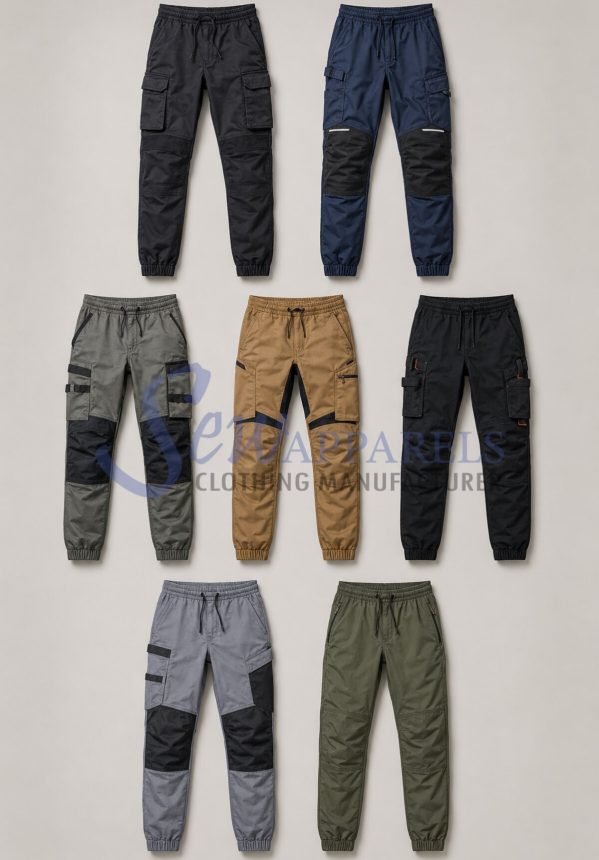
This guide to work jogger phone pocket usability separates device fit, access, closure operation and wearer comfort. It gives sourcing teams a practical way to request an identified sample trial without implying that one pocket fits every phone or that a garment has passed a safety test. Identify each work jogger phone pocket sample by garment revision and size. The starting point is an agreed device list, a representative garment and a record of what was actually observed.
1. Define work jogger phone pocket usability around the device
Begin with a work jogger device compatibility matrix. Identify the phone model, case version, any attached grip or accessory, and the intended insertion orientation. Measure the complete item being stored rather than relying on a screen size. A diagonal display measurement does not describe the outside width, depth or corners that must pass through a pocket opening.
A work jogger device case dimensions record should include the largest relevant outside dimensions and the measurement method. Keep the actual device available for sampling, or agree an accurately identified substitute. A substitute should represent the important shape and loading characteristics; a flat cardboard rectangle cannot demonstrate every interaction of a cased phone with a curved garment.
For a manufacturer reference, Apple’s iPhone 16 technical specifications list the model’s size and weight. Those published figures identify that particular device. They do not establish the dimensions of an added case or prove compatibility with a garment pocket. Record the configuration used in the sample review separately.
Clarify whether the wearer should store the phone fully inside the pocket, whether an opening must close over it, and whether storage is intended during seated work. These decisions influence the pattern and the review. Avoid a broad phrase such as universal phone pocket unless the defined evidence genuinely supports the scope of that claim.
2. Review opening clearance and insertion
Work jogger phone pocket usability should be reviewed on the worn garment. Check the opening location and usable clearance after seams, binding, reinforcement and closure components have been assembled. A cutting dimension is not the same as the accessible finished opening. Fabric tension and the pocket angle can change the route taken by the phone.
During a work jogger phone insertion trial, ask the wearer to insert and remove the identified device in the agreed ordinary positions. Observe whether the case catches, the fabric needs excessive manipulation, or the wearer has to pull the garment out of its normal position. Record the sequence and sample identity so another reviewer can understand the observation.
A work jogger pocket opening usability review should distinguish a tight entry from insufficient bag depth. Increasing the pocket bag may not improve a restricted opening. Conversely, widening the entry may introduce a different storage concern. Describe the observed cause before proposing a change, then examine the revised sample as a complete assembly.
For work jogger phone pocket fit, check the phone’s position after insertion rather than stopping at the moment it passes through the opening. Note exposed edges, interference with the closure and how the bag sits against the body. Do not force the phone into a pocket to create a successful demonstration; that can conceal an unsuitable combination.
3. Check standing and seated access separately
Work jogger phone pocket usability in a standing posture does not automatically establish seated access. Pocket placement can move relative to the hand when the hip bends. Use an agreed chair and ordinary posture appropriate to the intended review, with the wearer free to stop if uncomfortable. Keep any task away from machinery or other hazardous activity.
Record work jogger seated pocket access as a separate observation. Can the wearer reach the opening, operate the closure and retrieve the phone without unexpected garment movement? Does the phone press against the body or a chair edge? Report the configuration examined, including garment size and device, rather than describing the result as suitable for everyone.
A work jogger pocket reach review can compare the same sample empty and loaded. This helps identify whether the concern comes from location or from the stored item’s bulk. Ask for specific feedback about the movement required. A comment such as awkward is useful as a starting point, but the review needs enough detail to guide a pattern revision.
Include the intended size range in the development plan. Approval on one wearer in one garment size leaves other combinations unexamined. Select representative sizes and wearer arrangements with the buyer, and record the limits of the review. This is a sampling decision, not a basis for claiming that all customers will experience identical comfort.
4. Observe retention and closure operation
Work jogger phone pocket usability includes what happens after storage. A work jogger device retention observation should use approved ordinary movements with the device arrangement recorded. Note shifting, partial exposure or unexpected opening. Keep retention findings separate from comfort findings: a phone can stay in place while its position remains unpleasant for the wearer.
For work jogger pocket closure operation, identify the actual closure type and component. Check whether the wearer can operate it with the phone inserted and whether the case obstructs the mechanism. Do not assume that every zipper slider locks or that a closure guarantees protection against loss. The component specification and finished construction both matter.
YKK’s explanation of zipper locking functions describes how locking mechanisms operate in examples of sliders. It is useful background when discussing a specified zipper. It does not confirm which component is used in a Sew Apparels sample or establish the retention performance of a finished pocket.
State work jogger phone storage limits clearly in the approval record. An ordinary garment pocket is not automatically a protective enclosure, waterproof compartment or secure storage system. If the buyer needs an additional function, define its requirements and the appropriate evidence separately. Do not turn a short wearer trial into a broader performance claim.
5. Evaluate bulk and garment interaction
Work jogger phone pocket usability can change when the device loads the pocket bag and surrounding panels. Examine visible pulling, local distortion and interference with adjoining seams. Compare empty and loaded views under consistent conditions. The purpose is to identify a practical development issue, not to label every visible change a defect without agreed criteria.
A work jogger phone bulk comfort discussion should ask where pressure or restriction occurs and during which posture. Separate the wearer’s feedback from a measured garment observation. Preserve both records, because a photograph may show distortion while missing the reason a wearer finds the pocket inconvenient. Avoid unsupported claims about reducing strain or preventing injury.
Use a work jogger approved task trial for activities the buyer has specifically included in the development review. Agree the sequence, duration and stopping conditions before starting. It should be an ordinary, controlled usability exercise. Actual workplace hazards or specialist protective requirements need a different assessment; retrieving a phone must not distract someone from unsafe work.
Consider interaction with other intended features, including adjacent pockets, waistband adjustment and layer arrangements. Review only the combinations included in the brief. If a loaded phone changes access to another pocket, record that interaction rather than silently accepting it. A useful sample report explains both the successful functions and the conditions needing revision.
6. Release a defined pocket specification
Work jogger phone pocket usability becomes repeatable when the approval links observations to an identified construction. A work jogger device pocket specification should define location, finished measurement points, materials, closure identity and agreed allowances. Include the device configuration and sample references that supported the decision. Keep technical instructions clear enough for the development team to reproduce.
Maintain a work jogger pocket revision record when moving an opening, changing depth or replacing a component. List what changed and which observations must be repeated. Approval of an earlier sample cannot automatically cover a different bag material or closure. Label obsolete versions so the buyer and manufacturer do not compare photographs from incompatible constructions.
When requesting custom work jogger manufacturing, provide the approved pocket brief with the wider garment specification. Ask the supplier to identify development scope, proposed components and any unresolved compatibility questions. For private label work jogger production, include branding and packaging requirements separately so they do not replace the functional pocket information needed for a useful quotation.
Discuss the broader garment brief through the work joggers manufacturing page. Keep related development decisions connected through the Work Joggers Buying Guides. These routes support a coherent product discussion while this article remains focused on the device pocket.
Buyer questions before sample approval
Does one successful phone trial cover other models?
No. Work jogger phone pocket usability should be reported for the configurations actually examined. Another case, accessory or device shape may change insertion, closure or comfort. Expand the compatibility matrix when the intended range grows, and decide which combinations require another physical review. Keep unexamined combinations visible in the record rather than treating them as approved.
Should the pocket always be made larger?
Not automatically. Additional space may help a particular device while changing placement, movement or appearance. Identify whether the issue concerns the opening, depth, angle or surrounding garment fit. Request a targeted revision and repeat the relevant observations. A larger flat measurement by itself does not settle the usability decision.
What should the final decision contain?
Summarize work jogger phone pocket usability with the sample version, garment size, device and case, reviewed positions, closure arrangement and remaining limits. Include specific acceptance decisions and any required follow-up before production approval. This creates a usable development record without inventing test results, universal compatibility, guaranteed retention or promises beyond the evidence collected.
Record the chosen pocket within the woven versus knit work jogger quotation brief. Identify the opening, bag material and closure in each proposed garment. A similar external appearance does not establish the same device clearance or loaded-pocket behaviour across different constructions.