
Work polo shirts garment size consistency depends on comparing identified garments against the same approved specification and measurement method. Matching size labels alone cannot establish matching dimensions. A polo may be labelled correctly yet fall outside an agreed chest or length requirement, while an apparent difference can also arise from inconsistent handling or measurement points.
This guide to work polo shirts garment size consistency gives buyers a practical structure for reviewing size evidence. It separates body sizing, finished garment dimensions, labelled identity and shipment decisions. It does not claim Sew Apparels inspection results or prescribe a universal tolerance or sample quantity. Agree the specification, procedure and disposition responsibilities before using an audit to release an order.
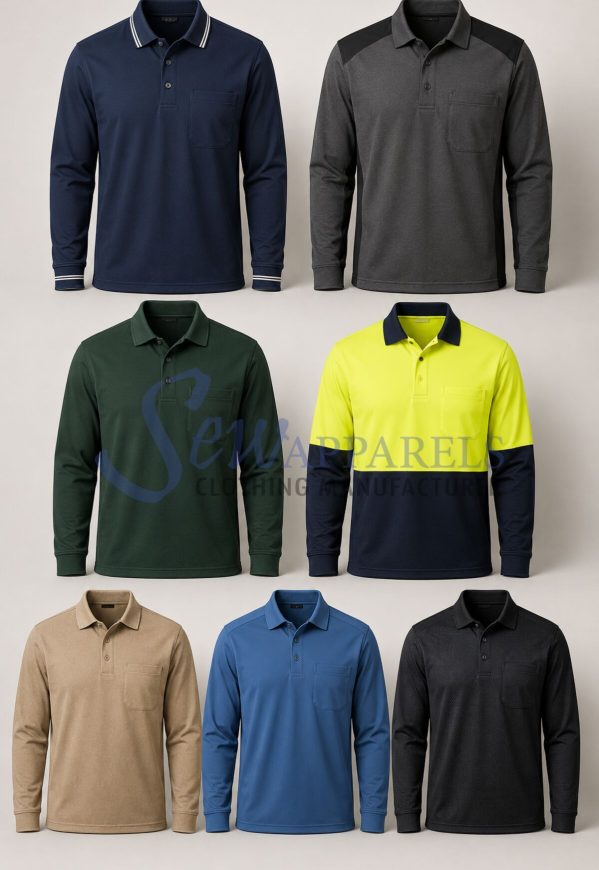
1. Define work polo shirts garment size consistency references
Start with the approved specification revision and sample references. Identify style, material, fit block, size range and any processing state included in approval. Work polo shirts approved polo block dimensions should remain connected to the current product version. An older sample can be a useful historical reference without automatically being the standard for a revised order.
Distinguish body dimensions from garment dimensions. The public scope of ISO 8559-1:2017 concerns anthropometric body measurements used in clothing development and size designation. It is useful context for body sizing. It does not supply the finished polo measurement chart or the buyer’s production tolerances.
For the garment specification, define each measurement point with a diagram or unambiguous instruction. State units and whether a dimension is a laid-flat width, circumference or another arrangement. A chest value is difficult to audit when different people measure at different distances below the armhole. Resolve the method before interpreting a difference as a production problem.
A work polo chest length tolerance plan should identify the target and agreed allowance for each relevant point and size. Keep the acceptance basis specific to the purchasing agreement. Do not borrow a generic tolerance from another product. The plan should also say who reviews a borderline finding and how an unresolved measurement is handled before release.
2. Control sample state and measurement handling
Work polo shirts garment size consistency needs comparable sample conditions. Work polo shirts garment conditioning measurement records should identify the preparation and state used for the review. Record whether the garment is as finished, after an agreed care sequence or in another specified condition. A later washed measurement should not silently replace the original shipment measurement.
A work polo shirts measurement method agreement should cover garment placement, closure state, smoothing and treatment of curved or elastic areas. Avoid stretching a knitted polo into the target dimension. Show the measuring arrangement in reference photographs where helpful. If an instruction permits ambiguity, clarify it before inspectors produce a large set of incompatible readings.
For work polo shirts body length measurement consistency, identify the starting landmark and the route to the hem. State how the collar or shoulder is treated and whether the measurement follows a defined line. Front and back lengths may be different specification points. Do not substitute one for the other simply because they are convenient to reach.
Check measuring equipment and reader practice through the agreed quality procedure. When two readers disagree, review the same identified garment using the agreed arrangement. Preserve both original observations and the resolution. Repeatedly pulling and repositioning the sample until it matches a preferred number is not a reliable way to settle the discrepancy.
3. Verify labels and physical size together
Work polo shirts garment size consistency includes work polo shirts labelled size verification. Connect the sewn size label, garment identity and relevant measurement chart. A packing label or carton description cannot substitute for the identification on the actual shirt. Keep inspected units traceable so the team can locate them again if a mismatch requires investigation.
A work polo size label mismatch check should distinguish a label error from a dimensional deviation. A shirt may carry the wrong label while matching another size’s dimensions, or carry the intended label while missing its targets. Record the observation accurately instead of treating every concern as the same defect. The corrective route can differ for those cases.
Do not solve an uncertain fit issue by relabelling garments without an authorized decision. Confirm the relevant specification and evidence, then determine the appropriate disposition through the buyer’s agreed process. A change to labelled identity can affect allocation and customer information. Keep the original finding and the authorized action in the record.
For a bulk polo shirt measurement audit, link each inspected unit to size and lot information available in the inspection plan. Photographs should identify the sample rather than show an anonymous shirt beside a tape. If tags are removed for handling, preserve another approved identification route so readings cannot become detached from the garment they describe.
4. Compare lots without hiding variation
Work polo shirts garment size consistency should be examined through a work polo shirts size lot comparison that retains size, colour and production references. Compare each size with its own targets. Mixing small and large garments in one average does not demonstrate conformity, and a lot average can conceal individual deviations relevant to the acceptance decision.
Record uniform polo measured size variation as observations against the agreed specification. Show the measurement point, target, actual reading and deviation using consistent units. Keep separate points separate. A satisfactory body length does not cancel an out-of-scope chest reading unless the approved acceptance process explicitly addresses the finding.
The work polo shirts bulk measurement size audit should preserve the sampled units and findings rather than only a pass headline. For work polo shirts polo chest specification tolerance decisions, use the agreed chart and method. If a trend appears within a size or lot, ask the development and production teams to investigate before assuming its cause.
Consider whether different finishing, processing or sample states could explain an apparent difference, but do not declare a cause without evidence. A useful investigation records the relevant material and construction information and checks the measurement basis first. Keep any corrective proposal connected to the specific issue rather than changing multiple variables without a follow-up plan.
5. Agree inspection sampling and evidence scope
Work polo shirts garment size consistency requires work polo shirts inspection sampling plan inputs that reflect the actual order and agreement. Identify lot boundaries, sizes, relevant variants, inspection stage and the acceptance procedure. A specialist quality team should establish an appropriate plan where needed. This article does not prescribe a universal sample count or acceptance level.
CottonWorks’ garment quality control overview discusses garment fit and seam integrity alongside other quality and performance considerations. It provides context for a broader quality programme. It does not establish a measurement sampling plan or numerical polo tolerance for a particular purchasing contract.
Keep the scope of inspection clear in the report. Measuring a selected set of units does not mean that every item has been individually measured. State the sample basis actually used and avoid rewriting limited evidence as complete coverage. If the buyer requires additional checks, define them and record completion separately before shipment disposition.
Include how measurements relate to other inspection findings without merging unrelated requirements. Labels, construction, appearance and packing may have their own decisions. A complete order review can coordinate these records while keeping each finding traceable. The size audit should show what it demonstrates and what remains outside its scope.
6. Resolve deviations before shipment release
Work polo shirts garment size consistency should conclude with a work polo shirts bulk polo deviation record. Identify the affected garment or lot, measurement point, specification revision and evidence. Record whether the reading was confirmed through the agreed procedure. Preserve unresolved findings so they cannot disappear when a summary sheet is reformatted for the shipment meeting.
A work polo shirts shipment measurement disposition should state the authorized decision and any required action. It may involve further investigation, additional inspection or a defined correction, depending on the agreement. Do not invent a standard remedy or imply that every deviation can be fixed by pressing. Keep the follow-up evidence attached to the original finding.
For illustration, two units with the same label might show different chest readings because one was measured under tension. These are hypothetical observations, not Sew Apparels results. The team should first repeat the agreed method on the identified units. If a difference remains, record it against the specification and follow the approved disposition process.
For custom work polo shirt manufacturing, send the current measurement chart and method with the development brief. For private label work polo shirt production, keep size labels, allocation and packing requirements coordinated with that chart. Ask the supplier to identify specification changes and maintain revision control before bulk approval and replenishment orders.
Buyer questions before size approval
Does the same size label guarantee the same fit?
No. Work polo shirts garment size consistency needs finished garment measurements and the relevant fit specification. A label identifies a size designation within a product system; it does not establish identical dimensions across unrelated blocks or versions. Keep the target population, body sizing and finished garment requirements distinct in the development record.
Can an average measurement approve all units?
An average can summarize a set of readings but cannot erase individual findings or replace the agreed acceptance procedure. Review the actual observations and inspection scope. If a summary hides meaningful deviations, retain the detailed record and resolve the issue through the responsible quality team before declaring the lot acceptable.
Where should the approved size record sit?
Keep work polo shirts garment size consistency evidence with the specification revision, labelled identity and authorized shipment decision. Discuss the complete garment through the work polo shirts manufacturing page, and connect related development topics through Work Polo Shirts Buying Guides. Preserve the accepted basis for future orders.
Where the measurement brief includes a cared sample, connect its condition to the work polo shirts collar shape after laundering review. Keep care observations and shipment dimensions separately identified. A satisfactory collar appearance cannot replace the agreed measurement checks for the labelled garment size.