
A work vest replacement zipper specification should identify the closure, its mounting construction and the evidence required before a repair is accepted. A replacement that looks similar can still change front alignment, handling or the relationship between the shell and lining. Buyers should retain the original component reference and assess a repaired sample instead of ordering by colour and approximate length alone.
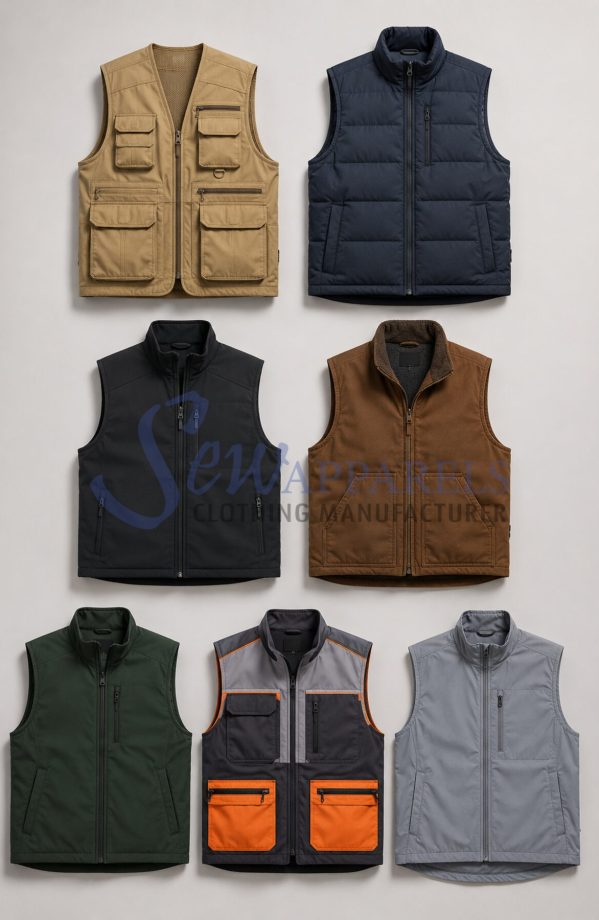
This checklist helps workwear teams prepare a repeatable repair brief. It covers the original zipper identity, replacement scope, installation access, functional review and care trial. It is a purchasing and sample approval guide, not a universal repair procedure. A qualified repairer and the component supplier should confirm what is appropriate for the actual garment and its condition.
1. Record the original closure before selecting a replacement
Begin the work vest replacement zipper specification with the garment style, size, production version and original bill of materials. Photograph the closure on the vest and the details that identify its construction. Include the front opening, top and bottom arrangement, puller, slider and tape. Keep an unused reference where available so worn parts do not become the only basis for comparison.
The work vest replacement zipper code should connect to the supplier’s actual component description. Record chain construction, nominal size designation, length, tape colour, slider and puller reference, finish and end configuration. A short code in an internal spreadsheet is useful only if it resolves to those details. Ask the supplier to explain uncertain markings rather than treating every stamped number as a complete specification.
A work vest zipper identity check should also establish what has failed. Describe damaged elements, torn tape, a missing puller, a distorted slider or failure at the garment seam separately. A component replacement will not correct a garment that is too tight or a mounting seam that pulls out under the intended use. Diagnosis should precede the purchasing decision.
Keep the original care instructions and any special garment requirements with the record. If the vest forms part of protective equipment, a repair may need review under the relevant manufacturer’s or programme’s rules. Do not assume that replacing an ordinary front closure preserves a certification or approval. Identify that limitation before authorising the repair route.
2. Define the repair scope and confirm compatibility
For a work vest replacement zipper specification, distinguish replacing a puller, replacing a slider and replacing the complete zipper assembly. They are different operations with different compatibility questions. The component supplier should confirm whether a proposed partial repair is suitable for the identified chain and condition. Do not combine parts solely because they have similar dimensions.
A work vest replacement slider match needs more than the nominal size label. Request confirmation against the actual zipper series and construction, including its operating and locking arrangement where relevant. Retain the supplier’s response in the repair file. If identity remains uncertain, record that uncertainty and obtain a suitable approved replacement assembly rather than presenting a guess as a verified match.
Work vest separating zipper compatibility requires particular attention to the complete bottom arrangement and intended opening function. Check whether the original garment uses a single or multiple slider arrangement and how the wearer separates it. The replacement should reproduce the approved function unless a design change has been deliberately reviewed. Similar appearance does not prove that opposite halves can be mixed.
The utility vest zipper replacement specification should state the repair boundary. Identify which parts stay, which parts change and what supporting work is required on the garment. If a full replacement is chosen, document the complete new assembly rather than leaving an old component code in the released record. This avoids ambiguous repeat repairs.
3. Confirm length, placement and access to the mounting seam
The work vest zipper length reference should use an agreed measurement convention from the component supplier. Distinguish the operating closure length from extra tape and the garment’s front opening measurement. Photograph or mark the reference points. Avoid cutting or ordering from an estimate taken while the vest is stretched or folded unevenly.
A work vest replacement zipper specification also needs placement details. Record the relationship to the neckline, hem, front facing and lining. Check the existing seam allowance and any reinforcement. A new zipper may be the correct nominal length but still sit differently if its top or bottom position changes during installation.
Work vest zipper repair access should be assessed before removing the original assembly. Identify lining, facings, pocket intersections or decoration that obstruct the mounting seam. A repairer should decide what can be opened and restored without unnecessary damage. Photograph the original construction and record the intended restoration, especially when the lining conceals the attachment.
Coats explains that seam, stitch and thread choices depend on the application. Use that principle when reviewing the restored mounting seam. A generic instruction to sew the zipper back in does not define the finished joint. Specify the accepted construction and inspect it on the actual material rather than assigning a universal stitch setting.
4. Review the repaired sample as a complete vest
Give the work vest zipper repair sample its own reference and retain a record of the person or service responsible for the work. Inspect the inside and outside before operation. Look for puckering, loose thread ends, exposed raw edges, uneven tape and a lining that enters the slider path. Compare front alignment with the original or accepted garment reference.
For the work vest replacement zipper specification, define a safe handling review with the intended shirt or jacket and the agreed pocket load. Observe starting, closing, opening and separation as applicable. Check whether the wearer can reach and use the puller in the normal position. Do not force a reluctant closure to produce a successful demonstration.
YKK’s zipper handling guidance cautions against forcing a slider when fabric is caught and advises closing zippers during washing. Use the selected component’s instructions with the garment care route. This manufacturer guidance does not validate an unidentified replacement or establish a durability guarantee for the repaired vest.
In the work vest replacement zipper specification, record operation and fit separately. A closure that runs smoothly while the vest is flat may pull under loaded wear, while a fit issue may exist even when the replacement itself is correct. Note where the front strains or the lining catches. If the garment condition prevents a satisfactory repair, explain that outcome instead of approving the part because it was successfully installed.
5. Complete the care and repeat-operation review
A work vest repaired zipper care trial should follow the proposed garment care route and a plan agreed with the buyer and evaluator. Retain a control where practical and document the repair version before care. Check closure operation, tape appearance, seam alignment and the surrounding materials afterwards. A short care trial should not be described as a prediction of lifetime performance.
Work vest replacement zipper specification approval should include the conditions used in the review. Record any change to the material, care route or finishing process. Do not assume a replacement tolerates an industrial laundry solely because the original garment was used in one. Use the work vest lining wash compatibility review to retain shell, lining and joining references when the repair opens those interfaces. Confirm the actual component’s suitability and evaluate the assembled repair where required.
Agree any repeated opening and closing evaluation with the responsible parties. Record the sample, procedure, observations and acceptance criteria. There is no universal cycle count or pulling force for all utility vest repairs. A component test and a wearer trial answer different questions; neither should be presented as proof of every possible use condition.
Inspect the restored seam after the trial as well as the zipper. Note tape distortion, local pulling, thread damage or changes in the front facing. If a defect appears, identify whether it comes from component selection, installation, garment condition or care. Revise the appropriate part of the brief and repeat the relevant checks.
6. Release the part record and control later changes
A work vest zipper replacement approval should identify the accepted sample and replacement code, with the evidence supporting the decision. Keep a utility vest replacement closure record that links the repair to the garment version. The next team should be able to order the same approved assembly without relying on an informal description such as “the black front zip.”
- Garment identity: style, size, production version and relevant condition.
- Component identity: supplier, assembly code, length and configuration.
- Installation: mounting position, restored seams and access work.
- Evaluation: operating observations, loaded fit and agreed care results.
- Release: accepted version, restrictions and outstanding issues.
The work vest zipper revision record should explain a supplier or component change. Retain the earlier reference and show which garments the new part fits. If a replacement becomes unavailable, review the alternative as a change rather than silently overwriting the original code. A part that worked on one vest version may require another sample on a revised front construction.
A work vest repair part specification can include replacement stock planning, but commercial details need confirmation. Ask the work vest zipper component supplier about availability, variant quantities and the basis of the quotation. Do not invent a standard minimum order, lead time or repair charge. Keep the purchasing terms separate from the technical approval so one can change without obscuring the other.
Work vest zipper change limitations should remain visible in the release file. State any garment versions excluded from the replacement, any unresolved care question and any specialist approval required. The work vest replacement zipper specification should help the buyer reproduce a supported repair, not suggest that every old garment can be restored with the same component.
From repair planning to product development
Bring the work vest replacement zipper specification to a custom work vest manufacturing discussion when planning a new range or a repeat programme. Confirm the closure code, mounting construction and replacement documentation at development stage. Buyers arranging private label work vest production can coordinate the puller appearance, branding and care requirements while keeping functional approval traceable.
Use our work vest manufacturing page for product discussions and Work Vests Buying Guides for related lining, pocket and layering decisions. A clear component record makes later review more practical without promising that repair is always economical or suitable.
Buyer questions
Is a matching size number sufficient?
No. The work vest replacement zipper specification needs the actual component identity and supplier-confirmed compatibility. Similar size markings do not establish a match between different constructions or series.
Can a repaired sample be approved before care review?
Initial operation can be checked first, but the agreed care and other required evaluations should be closed before final release. Record anything not yet tested rather than treating installation as completion.
What should be retained for future repairs?
The garment version, component code, mounting details, accepted repair sample and evaluation record. Include any restrictions or changes so the next repair follows the approved scope.