
Woven shirt stitch density specification connects the desired sewing appearance with a measurable construction instruction. A buyer may request fine stitching, yet the factory still needs to know which seams the request covers, how the stitches are counted and which material combination was approved. A single number without these details leaves room for inconsistent interpretation.
This guide explains six checks for a woven shirt stitch density specification. It covers units, seam mapping, sample trials, inspection and release records. The aim is a repeatable finish supported by the actual shirt construction. Required densities, tolerances and performance assessments should be agreed with the technical team rather than copied from an unrelated garment.
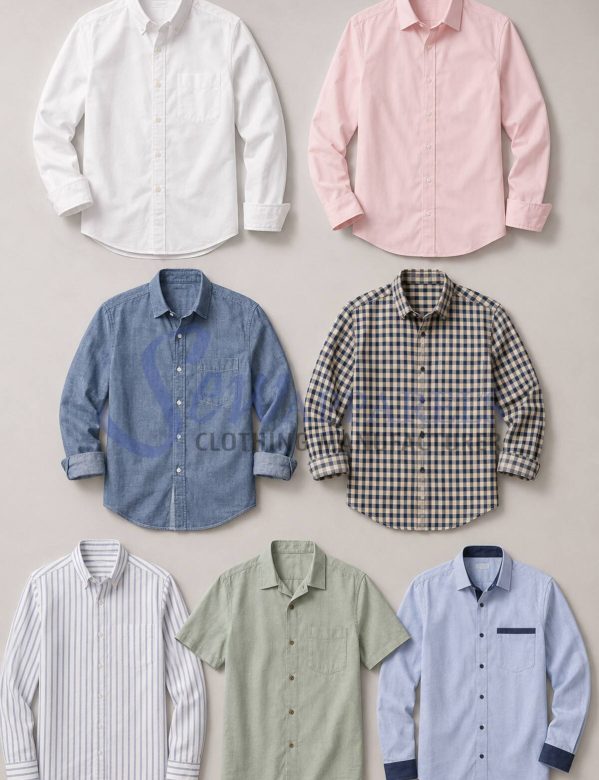
1. Define the woven shirt stitch density specification in clear units
A shirt stitches per centimetre specification must identify the measurement unit alongside the value. Stitches per inch and stitches per centimetre describe different reference lengths. Neither convention is inherently a quality grade. Record the chosen convention consistently across drawings, inspection sheets and factory instructions so a bare number cannot be interpreted in two ways.
The shirt stitch specification units should also distinguish stitch density from stitch length. Density describes the number over a stated length; stitch length describes the spacing along the seam. A machine setting can be a starting point, but the accepted instruction should refer to the actual sewn result and its agreed measurement basis.
Make conversion and counting rules visible
If teams use different units, show the conversion and its rounding convention in the worksheet. One inch equals 2.54 centimetres. Converting a count does not create a new construction approval. Keep the original agreed value, converted reference and permitted tolerance connected, especially when rounding would otherwise suggest a different target.
Define the counting method before comparing samples. Explain where the reference span starts and ends, how stitch intervals are interpreted and how partial intervals are handled. An enlarged photograph can support the explanation, but the scale must remain visible. Avoid comparing a count of needle penetrations with a differently defined count of intervals.
2. Map the instruction to each sewing operation
A shirt stitch count seam map identifies the relevant operations on the shirt. Separate collar and cuff topstitching, front placket, sleeve opening, side seams, armhole assembly and hem where their constructions differ. A shirt may contain several stitch types and material thicknesses, so a single instruction should not silently apply to every operation.
The shirt stitch density operation differences should have a clear reason and location. Visible topstitching may be reviewed for an orderly decorative finish, while an assembly seam also needs its specified construction and function. Buttonholes and reinforcement details require their own instructions; they should not inherit an ordinary seam count simply because they are sewn.
Keep related construction information together
For each operation, identify the stitch type, seam arrangement, thread reference, material layers and relevant allowances. State the intended topstitch position separately from density. The sleeve placket specification helps locate tower stitching and reinforcement before assigning the relevant operation rows. Closely spaced stitches cannot correct a misplaced stitch line, and the correct distance from an edge does not establish that the stitch formation is acceptable.
The woven shirt stitch density specification should identify whether a value is a proposed trial, an accepted target or a reference awaiting confirmation. Mark operations that still need development. A worksheet with blank rows is easier to resolve than a complete-looking sheet containing invented values that nobody has approved.
3. Trial stitch length on the actual material combination
A woven shirt stitch length trial should use the proposed fabric, thread, needle and seam arrangement. Include representative layered areas where the operation changes thickness. Keep the trial identity and machine setup notes available to the sewing team. A smooth straight strip alone may not represent a cuff corner, folded placket or intersection.
Review shirt stitch density fabric damage alongside appearance. Examine the stitched area for displaced yarns, visible needle damage and other observed defects under the agreed inspection conditions. Record what is seen and where it occurs. Do not assume that increasing the number of stitches automatically improves the seam or eliminates a construction problem.
Investigate puckering before changing the target
Coats’ seam-puckering bulletin describes several contributing causes, including tension, structural jamming, dimensional change and feeding. It identifies reducing density as one possible response to structural jamming. This is technical background for a controlled investigation, rather than a universal instruction to reduce every shirt seam count.
A shirt dense stitching seam bulk review should consider folded layers and intersections as well as the stitch line itself. Compare the accepted construction with the trial and identify whether unwanted thickness comes from allowances, material layers, thread or another observed feature. Change one relevant factor at a time where practical, keeping the comparison traceable.
4. Approve a measurable appearance reference
Shirt fine topstitch appearance is more than a numerical density. Review line placement, consistency, corners, thread visibility, stitch balance and the relationship with the shirt design. A fine formal shirt and a casual overshirt may have different intended finishes. The buyer should describe the desired result through a representative reference rather than the word “premium” alone.
A shirt topstitch inspection sample should carry its style, fabric, thread and revision identity. Include the operations it represents and any limitations of its approval. A collar reference should not automatically release the hem or side seam. Keep rejected alternatives distinguishable from the accepted example to prevent an old trial becoming the production reference.
Build a reference that can be used again
A shirt stitch count reference card can combine a labelled sewn sample, measurement scale and current worksheet reference. Preserve its condition and version. If a digital image is used, explain its scale and viewing purpose. A photograph may help communicate appearance, but an unscaled image cannot provide reliable evidence of the count over a defined length.
The woven shirt sewing appearance standard should state the agreed viewing conditions and acceptance description. Connect numerical requirements with visible construction expectations. The woven shirt stitch density specification becomes more useful when the inspector can identify both what to measure and which finish the measured operation is intended to reproduce.
5. Check consistency before and after the agreed care stage
A woven shirt stitch density measurement should follow the agreed counting method on identified seam locations. Record the actual reference span and the sample condition. Select review points that represent the operation, while keeping reinforcement, starts, stops and thickness transitions separately identified when their stitch behaviour differs from the ordinary seam run.
The shirt uneven stitch length check should look along the operation rather than rely on one favourable location. Examine where feeding, turning or thickness changes may affect the result. Describe the observed variation and retain the location reference. A count within range does not cancel skipped stitches, an unbalanced stitch or an obviously irregular line.
Keep care observations comparable
Review shirt stitch density after wash through the agreed care or evaluation route. Record how the sample was treated, dried and prepared for assessment. Fabric dimensional change can affect the number observed over a fixed finished span. Keep the original and later conditions clear before interpreting a difference as a machine-setting error.
For the woven shirt stitch density specification, compare appearance and relevant seam function as well as the count. Any performance requirement needs an appropriate assessment agreed for the product. A visual inspection or stitch count alone does not prove seam strength, laundering durability or suitability for every wearing condition.
6. Release the worksheet and assess commercial consequences
The shirt seam stitch density worksheet should contain operation identifiers, units, accepted targets, agreed tolerances, measurement method and sample references. Add the responsible reviewer and approval status. Record corrections against the affected operation, then confirm that the revised sample and worksheet agree before treating the construction as ready for bulk production.
Retain the current woven shirt stitch density specification with the approved sewing reference and related material information. When fabric, thread, construction or processing changes, identify which operations require renewed review. A previously accepted number is a record of a defined combination, not automatic approval for every future material substitution.
Connect development decisions with the quotation
Coats’ thread-consumption guide explains that stitch density, stitch and seam choice, thickness and layers affect thread use. Its example ratios have a stated density basis. Buyers should treat those examples as estimating references, not a prescribed shirt density or a guarantee of consumption for their own design.
For custom woven shirt manufacturing, discuss the accepted seam map and remaining trials with the quotation. Ask how sampling, changes and any requested assessments are covered. A revised sewing finish may affect the development route and commercial assumptions, so confirm the scope rather than assuming an appearance request has no consequence.
For private label woven shirt production, prepare the construction brief alongside fit, fabric, branding and care information. The woven shirt manufacturing page provides a relevant starting point for an enquiry. Actual order availability, minimum quantities and terms should be confirmed for the proposed style.
Frequently asked questions
Is a higher stitch count always better?
No. A woven shirt stitch density specification should balance the intended finish with the material and construction. An increased count may change the appearance and sewing behaviour. Approve a representative trial and relevant assessments rather than treating density alone as a ranking of garment quality.
Can one value cover the entire shirt?
Only where the technical team has explicitly approved that approach for the relevant operations. Different seam arrangements, materials and purposes may require distinct instructions. A seam map makes these decisions visible and prevents an assembly setting being applied uncritically to a decorative or reinforced detail.
Can a startup brand prepare the worksheet?
A startup can list the operations, desired references and decisions still requiring technical support. That is more useful than inventing a full specification. Sampling can then resolve the open points. This guidance does not promise a fixed minimum quantity or the availability of every proposed sewing method.
Where does this fit in the development process?
The woven shirt buying guides connect sewing decisions with other sourcing and development topics. Keep the woven shirt stitch density specification consistent with those approved details, and release the current version with clear ownership so the next sample or order starts from the same evidence.