
A fleece jacket compression packing trial helps a buyer decide whether a proposed pack protects the garment’s appearance while meeting shipping requirements. A carton can arrive intact while the jackets inside show flattened pile, pronounced fold lines or trim impressions. Conversely, an attractive unpacked sample does not establish that the outer package withstands the distribution route.
Plan the fleece jacket compression packing trial around identifiable garments and the actual packing configuration. Record the starting appearance, packing conditions, duration and unpacking review. This guide explains a practical approval workflow; it does not specify a universal pressure, recovery time or carton quantity for every fleece construction.
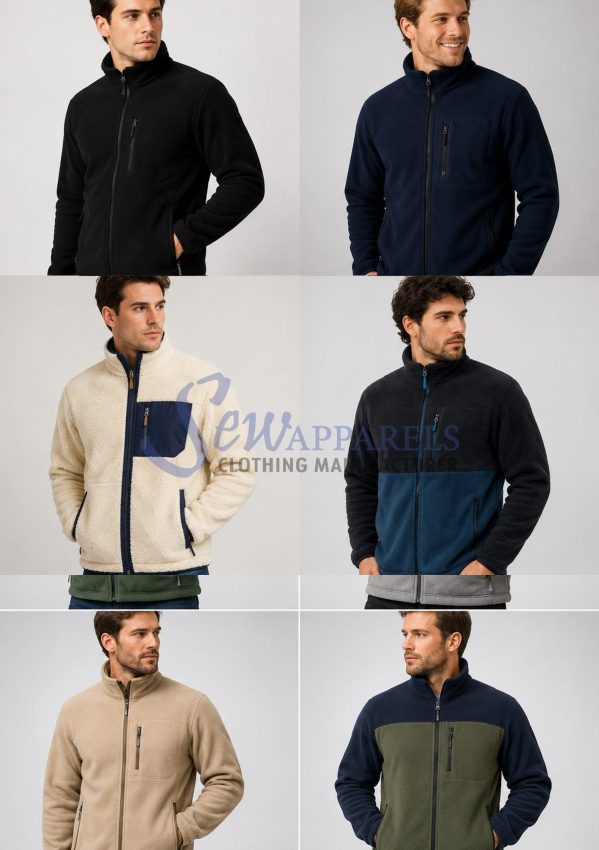
1. Establish the garment appearance reference
Begin with fleece jacket pre packing appearance documented on the proposed production version. Record the fabric reference, colour, size, pile direction and relevant finishing history. Photograph the garment under consistent lighting, with overall views and close details of areas likely to receive pressure. Keep an unpacked comparison sample where practical.
Fleece jacket packing pile flattening should be assessed against that starting point. Check the collar, shoulder, front panels, sleeves and hem rather than relying on one small surface area. A brushed or textured fleece can present differently when the pile is viewed in different directions. Use consistent viewing conditions to avoid mistaking a lighting change for a packing defect.
In a fleece jacket compression packing trial, identify whether the jacket is lined and which trims or branding details can press against the surface. A zipper pull, folded cuff or bulky label may create a local impression. Keep those details in the sample record because a plain fabric swatch does not reproduce a complete folded garment.
2. Define the pack before applying compression
Use the lined versus unlined fleece jacket quotation guide to identify the actual layers and exposed seam finish before transferring a packing approval between versions.
A fleece jacket folded pack approval should describe the fold sequence, garment orientation and position of sleeves, collar and closure. Name any protective insert or separation layer used. A photograph of the final rectangle is useful, but the written sequence helps the packing team reproduce the same configuration during bulk work.
The fleece jacket bag configuration should identify the bag reference, dimensions, closure and any compression or air-removal step proposed. State whether garments are individually bagged or grouped. Do not treat a manually pressed sample as equivalent to a different bulk packing process. If the process is changed, preserve the original as a separate version.
Record fleece jacket actual carton dimensions together with carton construction, closure, pack count and garment size mix. Distinguish measured external dimensions from nominal ordering dimensions. The contents and their arrangement should be identifiable so a successful trial is not later applied to a smaller box or a different assortment without review.
For a fleece jacket compression packing trial, keep the package and product references linked. A change in carton board, protective inserts or closure can alter the package response. A change in fleece, lining or size assortment can alter how the contents fit. Both sides of the configuration need control.
3. Agree realistic trial conditions
The fleece jacket compression trial conditions should reflect the decision being made. Identify whether the trial investigates folding, tightly packed contents, stacking exposure or a wider transit sequence. State the handling, duration and environmental information relevant to the plan. Ask a competent packaging laboratory to select appropriate formal methods where distribution performance is being evaluated.
ISTA’s guidance on design and testing stresses understanding the distribution environment, using representative product-package samples and defining damage allowances before testing. For a fleece order, this supports an agreed appearance decision and a documented pack rather than an improvised demonstration that simply makes the carton smaller.
A fleece jacket carton compression sample should contain the proposed garments and packing materials when those contents are relevant to the evaluation. Label the sample version before testing. Record whether it has already been handled or exposed to another trial. Repeated use of a damaged carton can make the result difficult to interpret.
During a fleece jacket compression packing trial, distinguish a development screening exercise from formal testing to a named procedure. The report should identify what was actually done. Do not describe an informal trial as certification, or imply that one compression exposure reproduces every hazard during shipment.
4. Keep package resistance and garment condition separate
A fleece jacket storage pressure test request should state whether the concern is sustained stacking, a particular handling exposure or another defined condition. Record the agreed load arrangement and duration with the evaluation. Avoid selecting a convenient weight and assuming it represents the actual warehouse or transport conditions.
ASTM D642 addresses compressive resistance of shipping containers, components and unit loads. Its scope includes containers with or without contents. The public description points to a separate method for constant-load testing. This distinction matters when discussing test selection with the laboratory; a container-resistance result does not automatically establish fleece pile recovery.
The fleece jacket pack duration record should show when packing began, when the exposure started and ended, and when the garments were unpacked. Keep these times alongside the configuration and conditions. A brief squeeze followed by immediate opening cannot support a claim about a materially longer packing period.
Record carton observations independently from garment observations. Check closure condition, deformation and any relevant package damage against the agreed criteria. Then inspect the jackets. This separation helps the buyer see whether a packaging revision is needed, a folding revision is needed or both require attention.
5. Review unpacking and pile recovery consistently
Fleece jacket unpacking inspection should follow an agreed sequence. Identify the garment’s position in the carton and photograph it before extensive handling. Review the collar, sleeve folds, front closure, branding and any pressure points. Record local impressions separately from broad surface flattening.
Fleece garment unpacking recovery should be observed at predetermined review stages under documented conditions. Agree whether the garment will be laid flat, hung or handled in another specified way. Do not brush, steam or wash the sample before the initial observation unless that is part of the approved plan. Such interventions answer a different receiving question from unassisted recovery.
In a fleece jacket compression packing trial, compare the same areas with the starting reference at each review. Fleece jacket pile recovery observations should describe what has changed, what remains visible and what is unacceptable for the buyer’s receiving standard. Keep photographs, sample identifiers and elapsed time together so the conclusion can be reviewed later.
A fleece jacket fold mark assessment should distinguish an acceptable temporary crease from a persistent appearance problem. The buyer should agree the decision basis before the trial, including the relevant viewing conditions and permitted receiving treatment. There is no universal recovery interval that makes every fleece construction acceptable.
6. Compare volume savings with the approved result
Fleece jacket shipping volume inputs should come from the measured approved pack, including carton count, external dimensions and the planned assortment. If a denser pack reduces carton count, record the resulting configuration rather than carrying dimensions over from the previous version. Ask the logistics provider to confirm the applicable freight basis instead of treating calculated volume as a guaranteed price saving.
For a fleece jacket compression packing trial, compare appearance and package outcomes alongside the proposed shipping benefit. A tighter pack is useful only if it meets the agreed product and packaging requirements. Rework, unpacking treatment or rejected appearance may undermine an apparent saving. Keep those operational consequences visible in the decision.
The fleece jacket transit sample signoff should identify the approved pack version, trial scope, receiving observations and any limitations. Name the controlling sample and supporting report. Confirm that the packing team can reproduce the arrangement and that the order uses the reviewed garment and carton specifications.
A practical comparison between two packing options
Suppose a brand compares a standard folded pack with a denser arrangement for the same fleece jacket. Give them versions A and B. Use identifiable representative garments and record the size mixture. Keep the material and finish constant where the objective is to compare packing. If the carton also changes, document that difference rather than hiding it.
- Starting condition: garment identity, pile appearance, trims and control photographs.
- Pack design: fold sequence, bag, inserts, count and carton construction.
- Exposure: agreed conditions, handling sequence and duration.
- Package result: carton deformation, closure condition and relevant damage.
- Garment result: initial marks, subsequent recovery and receiving acceptability.
- Release: approved version, report reference and any required packing controls.
If B produces a smaller measured shipping volume but leaves unacceptable collar impressions, investigate the collar position or protective separation before accepting it. If a revised arrangement is proposed, give it a new version and repeat the affected evaluation. This example is a decision workflow, not a predicted result for a particular jacket.
Frequently asked questions
Does passing a carton compression test mean the jackets look acceptable?
No. Package resistance and garment appearance are separate results. Inspect the packed garments against the agreed receiving criteria and document recovery observations. Keep the package report alongside, rather than using it as a substitute for the garment review.
Can the packing team use a different fold during bulk work?
A revised fold needs review if it changes pressure locations or the packed configuration. Record the change and confirm whether a new trial is required. The original approval should control the actual process rather than serve as a general permission for any compact fold.
What should a startup include in the enquiry?
State the jacket construction, quantities, size mixture, receiving expectations and intended shipping route. For custom fleece jacket manufacturing, these inputs help define a useful packing sample request. Ask which development options are feasible without assuming a universal minimum or an untested compression benefit.
When should a repeat order be reviewed?
For private label fleece jacket production, check whether fabric, finish, lining, trims, bag or carton configuration has changed. Review affected packing evidence before reusing the earlier signoff. An identical style name does not establish an identical product-package assembly.
Fleece jacket compression packing trial: release checklist
Keep the fleece jacket compression packing trial with the approved garment and packing records. The Fleece Jacket Buying Guides connect related material and construction decisions. The receiving standard should match the actual jacket version being produced.
Send the packing brief and unresolved questions through the custom fleece jacket manufacturing page. A useful release specifies the fold, bag, carton, trial evidence and appearance acceptance, giving the team a reproducible configuration rather than a general instruction to pack tightly.