
Kids dress zipper seam rippling needs a clear sample record before a buyer requests a correction. A wavy closure area can look different with the zipper open, closed, laid flat or presented on the intended form. Record those states first, identify the sample and ask the technical team to investigate the complete assembly. Appearance alone does not establish a cause.
This guide provides five checks for a product-specific review. It addresses the zipper area rather than selecting dress lining or developing embellishment sourcing. Proposed changes remain subject to material suitability and supplier feasibility. The useful outcome is a documented comparison between the original condition, the technician’s proposed correction and the resample presented for approval.
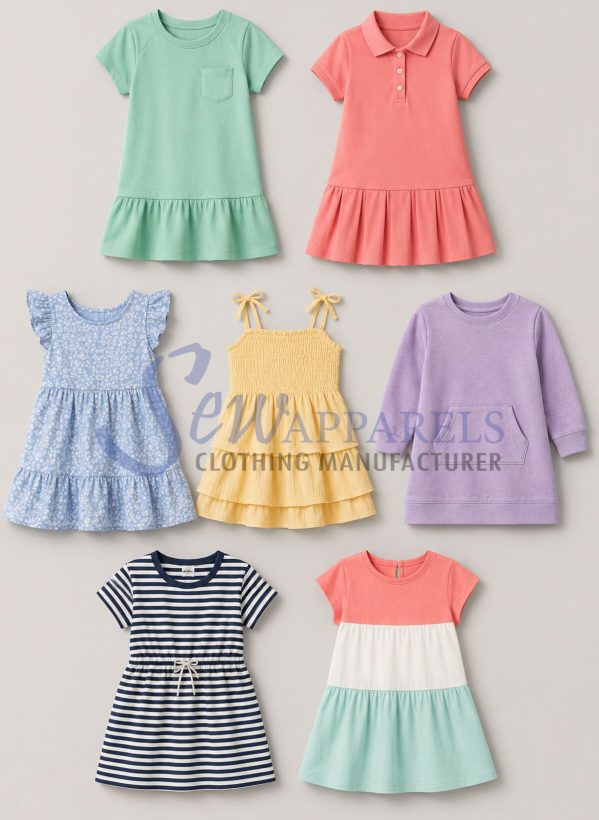
1. Compare Open and Closed Zipper Appearance
Begin the kids dress zipper seam rippling record with the sample reference, size and observation date. Describe the location of the visible waves in ordinary terms. Is the change close to the upper opening, along one side of the zipper, across the lower end or spread through the adjacent panel? Mark the affected region on an internal reference drawing so separate reviewers can discuss the same place.
A kids dress closed open appearance comparison should retain the same presentation conditions as far as practical. Note whether the garment is flat, supported or being assessed in another agreed state. Do not compare a stretched presentation with a relaxed one and describe the difference as a confirmed sewing defect. Ask the technician which states help investigate the actual garment.
For kids dress zipper seam appearance, separate the visible observation from the explanation. A note such as “waves visible beside the left closure edge in the closed sample” is more useful than an unsupported instruction to change tension. Record the observation and let the responsible technical team propose a review. A buyer should not prescribe machine adjustments from an appearance description alone.
For a child dress back zip puckering review, keep a child dress zip area reference with the current drawing and sample code. An internal image reference can aid the team’s investigation, while public garment-context photography cannot diagnose the affected closure assembly. When several sizes are involved, distinguish observed samples from unexamined sizes. Do not imply that the entire size range has the same appearance when only one sample has been inspected.
2. Identify the Zipper and Adjacent Materials
The kids dress zipper seam rippling brief should identify the proposed zipper, tape, shell, dress lining and other components in the affected assembly. Use supplier designations and material records where available. Record any information awaiting confirmation rather than filling the gaps with a visual guess. Similar-looking components can represent different sourcing references.
A dress zipper tape fabric interaction review starts with that shared identity record. Ask the technician which combinations and assembly details should be compared for the actual design. Note the relevant drawing revision and current installation description. Do not assume that swapping one component will resolve the appearance without reviewing the garment with the proposed replacement.
Treat kids dress zipper material mismatch as an investigation question unless supported by the responsible team’s evidence. The buyer’s role is to make the component references and observed condition clear. The technician can explain the basis of a proposed comparison and document the result. A label naming an assumed cause is not a substitute for that review.
Include details of any sample revision already made. If a zipper or neighbouring material changed between samples, show both references and dates. A comparison becomes difficult when the team believes only the sewing method changed while the component supply also changed. The record should distinguish known changes from information still requested from the supplier.
3. Separate Assembly Observations from Care History
Investigating kids dress zipper seam rippling requires a record of the sample’s condition before and after any documented treatment. Identify whether the submitted sample is untreated, pressed, washed or otherwise prepared. Do not call a sample “after washing” without the associated procedure record. A later appearance cannot reliably be compared with an unspecified starting condition.
For children dress zipper care distortion, ask the responsible technical party to agree the relevant procedure and observation stages. ISO 6330:2021 describes domestic washing and drying procedures for textile testing. An agreed washing and drying procedure provides context for a comparison; it does not supply a universal acceptable zipper appearance or prove the cause of rippling.
A dress zipper ripple after washing note should name the exact sample, procedure reference and assessment state. Preserve the before-treatment observation where available. If the original condition was never recorded, state that limitation. Avoid concluding that care created the waves simply because the team first noticed them after receiving a treated sample.
Compare a kids dress zip waviness sample with the current control only when the team can identify meaningful differences. Document known material changes, assembly revisions and treatment history. If several variables changed, request a clearer comparison plan. An uncontrolled comparison can still reveal a question, but it should not be presented as proof that one specific change caused the outcome.
4. Ask Technicians to Compare Proposed Corrections
The kids dress zipper seam rippling review should move from an appearance record to a written technical response. Ask the team what it proposes to investigate, which sample or assembly is required and how the revised result will be documented. Keep the response connected to the identified garment version. Do not approve a general promise to “make it flat” without a reviewable resample.
A kids dress zipper assembly review can list each proposed change and its stated purpose. Distinguish a component replacement from an installation revision or another technical adjustment. Ask whether the change affects the drawing, material list or other parts of the closure. Any proposed configuration in this article is a development scenario, not a claim about a current supplier offering.
For kids dress closure seam correction, request a comparison that addresses the observed area and the complete garment’s operation. Improved appearance should be assessed alongside the intended closure function using the team’s agreed review. Avoid accepting a photograph or verbal reassurance as a substitute for the relevant physical sample when the approval requires one.
Keep appearance assessment separate from strength evidence. ISO 13935-2:2026 covers seam rupture force using the grab method and has defined specimen applicability, including straight seams. It is not a zipper-ripple grading method. Ask a qualified laboratory whether a strength question needs separate evidence and an applicable specimen; do not turn a strength result into an appearance approval.
A kids dress zipper ripple diagnosis note should state the technical team’s conclusion and its basis. Where the cause remains uncertain, record the next comparison instead of closing the question prematurely. The article does not prescribe stitch settings, machine tension, shrinkage allowances or universal tolerance values for unknown fabrics and zipper assemblies.
5. Approve the Complete Corrected Sample
Complete the kids dress zipper seam rippling review with the corrected garment reference, current component list and approval response. Check that the sample being approved represents the proposed order specification. If the resample contains temporary components or unfinished details, identify them and ask which approvals remain outstanding before the order moves forward.
A kids dress zipper resample approval should refer back to the original observation map. State which review questions were resolved and which require another action. Retain the earlier references as development history while clearly identifying the current selected version. This prevents an old component designation from being carried into the order merely because it remains in an earlier conversation.
Use a children dress zipper flatness review to record the agreed presentation and appearance decision for the actual sample. Avoid absolute claims that the same result will occur in every size or condition. If additional sizes or treatment states need examination, put those checks into the approval record. The scope of the decision should match the evidence reviewed.
For a kids dress zip seam investigation that involves several teams, appoint the owner of each unanswered item. Record who supplies component details, who proposes the technical comparison and who confirms the resample response. A clear handoff keeps the buyer’s appearance requirement connected to the supplier’s current specification rather than scattered across separate comments.
Kids Dress Zipper Seam Rippling: Build a Reviewable Record
A practical record can follow the fields below. These are information prompts for a product-specific investigation, not laboratory instructions or acceptance thresholds. The responsible team should adapt the evidence request to the actual materials, market and garment construction.
On small screens, each review field appears as a labelled record.
| Record field | Information to capture | Review question |
|---|---|---|
| Sample identity | Style, size and revision | Are all reviewers assessing the same version? |
| Appearance state | Open or closed and presentation | Can the observation be compared consistently? |
| Component references | Zipper and adjacent material designations | Which identities need supplier confirmation? |
| Care history | Documented procedure and assessment stage | Is the starting condition known? |
| Proposed correction | Technical response and affected specifications | What will the resample represent? |
| Approval | Outcome, selected version and open actions | Does the decision match the evidence? |
Keep the record compact enough to use in a development conversation. A concise observation, a confirmed component reference and a named next action are more valuable than repeated descriptions of the same wave. Where supporting evidence is unavailable, identify the missing item and its owner. Do not replace that gap with an unverified cause or a fabricated test result.
Kids Dress Zipper Seam Rippling: Prepare the Handoff
For custom kids dress manufacturing, send the sample observations and current material references to the kids dress manufacturing page as part of the enquiry brief. The supplier needs the actual configuration before assessing the request. This guide supplies no price, order minimum, lead time or automatic promise that a proposed correction is feasible.
For private label kids dress production, use the kids dress buying guides to connect the closure review with the wider product specification. A kids dress zipper seam rippling record is ready for its stated handoff when the observation, technical response, corrected sample and selected version can be traced together. Preserve unresolved questions as named actions within that handoff rather than treating them as approvals.