
Performance cap chemical certificate scope is the boundary between evidence for a material and evidence for the cap a buyer plans to sell. A fabric certificate can be useful, but its presence in a sourcing folder does not automatically establish the status of the decorated, assembled product. Crown fabric, sweatband, visor insert, thread, closure, labels and applied decoration can introduce different materials or processing stages. Buyers need a clear connection between the certificate description and the actual specification.
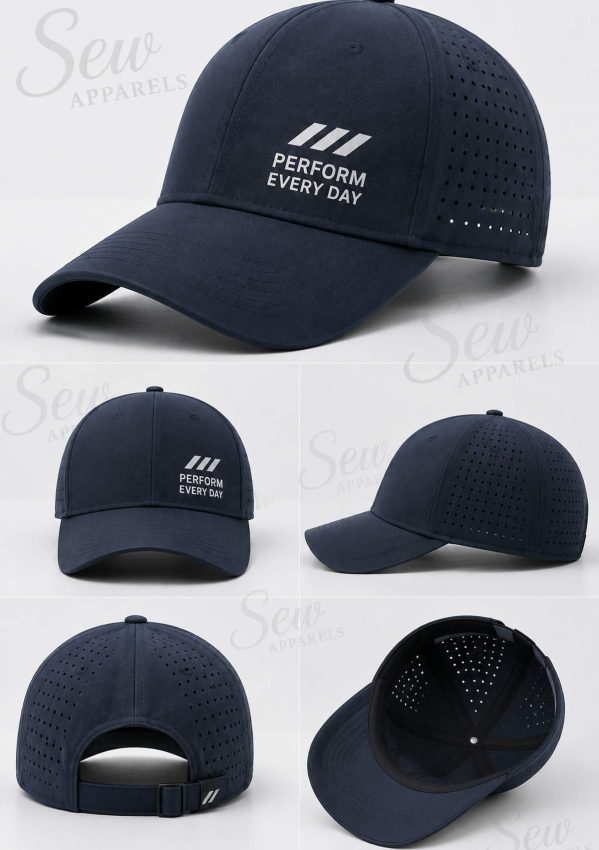
This guide explains how to organise that review for custom performance cap manufacturing. It does not state that Sew Apparels holds a particular certificate or that every proposed cap is certified. Obtain the actual evidence for your project and resolve scope questions with the certificate holder or issuing body. Keep chemical testing, scheme certification, label permission and destination-market obligations as distinct approval questions.
Performance Cap Chemical Certificate Scope: 6 Critical Checks
1. Identify the covered article
Start with the full document rather than a cropped logo or a supplier presentation. Record the scheme name, certificate number, holder, issuing organisation, article description and dates. Ask which supplied material or finished article the document identifies. A certificate belonging to a fabric mill may support a particular fabric reference, while a finished cap certificate scope review requires matching product details.
Read the certified article description match alongside your bill of materials. A description covering a named fabric is not a description of every cap assembled from it. Check whether colours, finishes and accessories relevant to your order are included or require clarification. Avoid interpreting broad wording on your own when a certificate contains conditions, annexes or references to a defined product range.
The official OEKO-TEX STANDARD 100 overview explains its harmful-substance testing approach for textiles and their components. Use the scheme information to understand what evidence you are reviewing, then inspect the actual certificate. A recognised scheme name on a supplier website cannot replace the document connecting the holder, covered article and current product specification.
Your performance cap chemical certificate scope review should produce a specific answer: what is covered, who confirms it and which proposed materials remain outside the available description. This is more useful than a simple certified or not-certified tick box. Retain the original document and any clarification so another buyer can understand the conclusion without repeating the enquiry.
2. Map every component in the finished cap
Create a performance hat tested component list from the approved construction. Include outer panels, mesh, reinforcement, sweatband, seam tape, sewing thread, visor covering, insert, closure and inside labels. Add embroidery thread, backing, patches, transfers or printed areas where applicable. The purpose is to identify the actual materials, not to assume that one supporting document covers the whole list.
For each item, record the supplier reference and the evidence provided. Trim certificate coverage should identify the trim used in the order, including the relevant material and finish. If a supplier sends a document for a similar accessory, ask whether it covers the selected version. Keep an unanswered scope question visible instead of silently treating the similar item as an approved substitute.
The performance cap buying guides helps organise the physical visor specification. Bring that same component identification into the chemical evidence review. A visor includes more than its visible outer fabric, so match the actual assembly and its materials with the documents available for the proposed construction.
A performance cap chemical certificate scope register should connect each component with the finished sample. Use a drawing or labelled sample photographs to identify where the items sit, while keeping document references in the worksheet. This avoids confusion when a supplier uses several fabrics or trim options across a collection. Do not collapse different references into one generic entry called cap materials.
3. Check validity, product class and verification
Complete cap certificate number verification through the scheme’s official lookup route where one is available. For this scheme, the OEKO-TEX Label Check provides a certificate or label-number lookup. Enter the number with its original letter case; the official tool is case sensitive. If no result appears, follow the scheme’s contact route to resolve it rather than assuming a pass or a fraudulent document. Record what you checked and when. A document image that looks convincing is not a substitute for checking the number and resolving any difference between the document and the verification result.
Performance cap certificate validity should be reviewed for the planned approval and supply programme. If the evidence expires before the relevant stage, ask what updated documentation will be available. Do not assume an old certificate remains current because the fabric reference has not changed. Record the document version and supplier response so the team can follow up before releasing a claim or artwork.
Include a certificate product class review. Determine which class or intended-use description appears on the actual document and whether it matches the proposed article. If the meaning is uncertain, obtain an explanation from the scheme or issuing organisation. Avoid assigning a class solely from a marketing description such as sports cap or performance headwear.
The performance cap chemical certificate scope review should distinguish a verified number from a verified match. A successful lookup may establish that a certificate exists, but the buyer still needs to connect its described article with the supplied material or cap. Keep the holder, product description, component references and validity together when documenting the approval decision.
4. Review decoration, adhesives and substitutions
A print added after certification needs a scope review: identify whether that decoration is included in the available evidence. A fabric certificate decorated cap review should identify the new process and materials. Ask which evidence supports the finished combination. The question is not whether the base fabric document is useful; it is whether that document establishes the status of the product after the additional work.
Cap adhesive chemical evidence may be relevant where bonding, patches or transfers introduce adhesive materials. Identify the actual product used and the supplier responsible for applying it. Do not confuse a chemical input document with finished-article certification. Ask the evidence owner to explain the relationship between the input, the application and the scope of the final claim being proposed.
Control performance hat supplier substitution through the same process. A new thread, backing, sweatband or trim can change the evidence mapping even when the outside appearance remains similar. Require a documented review before accepting the substitute for a certified or tested specification. The sample approval record should identify both the material change and the evidence decision.
A performance cap chemical certificate scope register should show open questions for each added or changed component. Record who must answer, which document is needed and whether the change affects the proposed label or claim. This turns a certificate folder into a practical approval tool. It also prevents an earlier fabric approval from being reused without reviewing later development changes.
5. Approve accurate claims and label permission
Separate cap chemical claim wording from general promotional language. Describe only the evidence-supported product or component. Do not expand a defined certification into claims about every chemical, every environmental impact or every destination requirement. A buyer should be able to explain what the statement refers to and show the document that supports that interpretation.
Finished cap label permission needs its own check before artwork is released. Ask the certificate holder or scheme contact whether the proposed article and the planned use of a mark are authorised. A supplier sending a certificate does not by itself establish that your brand may reproduce the logo on a hang tag. Retain the applicable approval and artwork version with the scope record.
Review online product copy, packaging and sales documents together. If one says the fabric is covered while another calls the whole cap certified, resolve the inconsistency before release. A performance cap chemical certificate scope review should provide approved wording that the sourcing and marketing teams can use consistently. Avoid leaving the interpretation to whoever uploads the final product listing.
For private label performance cap production, include the buyer’s label and claim approval owner in the development schedule. Evidence questions often involve the material supplier, cap assembler and brand. Clear ownership helps those parties resolve a gap without treating a tentative statement as final permission. Keep the proposed wording pending until the supporting scope and permission have been confirmed.
6. Keep a retrievable scope register
Use one worksheet with component reference, supplier, certificate or report reference, covered description, validity, verification date, open question and approval owner. Store documents in a matching folder with clear version names. Chemical certificate evidence gaps should remain visible until resolved. A blank field is an unanswered question, not proof that the component has no relevance.
Keep certification documents and test reports identifiable as different evidence types. A report for a submitted sample and a scheme certificate may answer different questions. Record the sample identification and scope rather than merging them under a generic compliance heading. Ask qualified evidence owners to resolve interpretation questions for the intended product and market.
The performance cap chemical certificate scope register should be reviewed when the bill of materials changes and before repeat-order claims are reused. Check the current component references, decoration route, validity and approved wording. A repeat order can still contain a substituted material, so connect the evidence review with the production specification rather than relying only on the previous purchase order.
When a performance cap welded seam quotation brief changes a bonding or joining route, identify any added adhesive, tape or finish in the evidence register before reusing an earlier chemical claim.
Low MOQ Planning for Startup Brands
A startup brand preparing a low MOQ performance cap order should discuss evidence requirements before selecting its final fabric and decoration. Confirm available materials, minimum quantities and sampling terms directly; a smaller order does not automatically extend a supplier’s certificate to the finished cap. Keep the performance cap chemical certificate scope review attached to the first approved specification. If a lower-volume material route changes the sweatband, backing, print or adhesive, ask the evidence owner to review those changes before claims or label artwork are released.
Buyer approval checklist
Before approving the finished cap, obtain the actual document, verify its number where possible, match the described article and map the components. Review added decoration, adhesives and substitutions. Confirm the wording and any label permission, then retain the decision with the approved sample. This sequence makes the evidence useful to the people who release the product.
Bring the component list and unresolved scope questions to the custom performance cap manufacturer page when discussing the sample programme. Ask for project-specific evidence rather than assuming a general capability statement confirms certification. A clear performance cap chemical certificate scope review helps the buyer request the right documents before commercial and artwork approval.