
Performance polo snag resistance approval should connect the selected fabric with the contact conditions expected during use. A shoulder bag, exposed hook fastener or rough equipment edge can create a different concern from a fabric swatch viewed on a desk. Buyers need to identify the contact area, review representative samples and agree what visible damage would make the polo unsuitable.
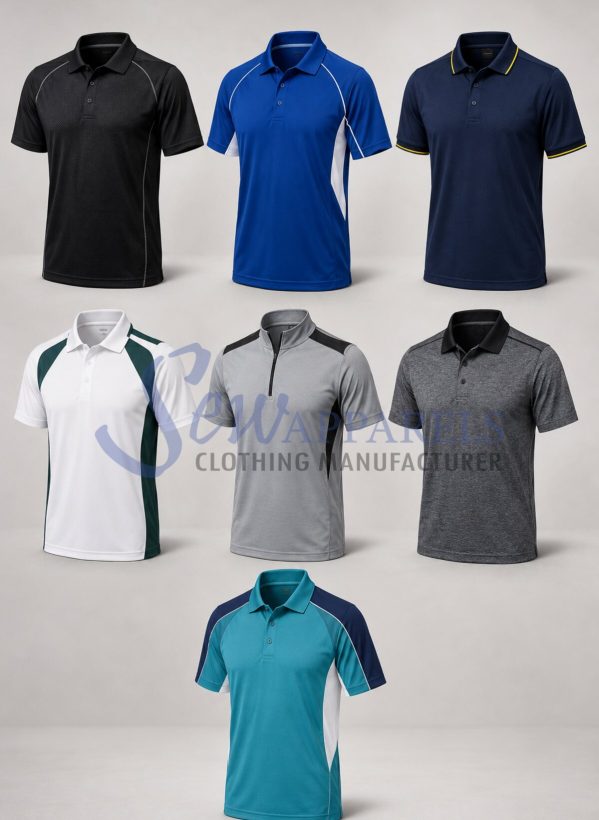
This guide focuses on applying evidence to a performance-polo sample and its intended accessories. It is not a laboratory execution procedure or a promise that a fabric is snag-proof. Use controlled observations to define the buying question, then ask a qualified testing party to select suitable laboratory evidence. Do not use sharp tools or deliberate damage against a garment while someone is wearing it.
Why performance polo snag resistance approval needs a contact map
Snagging is a catch-related surface change, such as a pulled filament, protruding loop or distortion. Pilling and general abrasion are different observations. A polo may have several kinds of damage in the same area, so keep them distinguishable rather than calling every surface change a snag.
Bag strap contact mapping should name the accessory and garment region: a strap across the shoulder, a fastener near the side body or a bag edge against the lower back. This gives the technical team a useful application brief. It does not claim that an informal contact trial reproduces a standard laboratory method.
Record how the polo will normally be worn, including the expected bag arrangement, movement and garment fit. Excess fabric may contact an accessory differently from a closer fit, but neither silhouette guarantees better resistance. Review the actual sample and equipment combination instead of approving from a fabric name alone. Include the approved fit block in the contact record.
1. Map the bag strap and hardware contact areas
Begin performance polo snag resistance approval by reviewing performance polo bag strap snagging with the actual accessory proposed for use. Identify its textile surface, edge construction, seams, adjusters and attachment hardware. A smooth-looking strap may still have a local rough seam or edge that matters more than the broad contact surface.
Mark the likely contact zones on a garment sketch: shoulder line, collar edge, upper chest, side body and back. Record whether the strap normally slides during movement or stays in one place. Include how the bag is carried and the expected load context, without inventing a universal trial weight or duration.
Inspect the accessory separately before the wearer observation. If a damaged edge, protruding component or exposed sharp point is present, stop and address the accessory condition. A damaged bag should not be used to establish normal garment performance. Any deliberate contact assessment should take place on an off-body sample with an agreed controlled procedure.
Keep the contact map with the sample reference and photos. If the buyer later changes the bag design, review whether the contact evidence still applies. A fabric approved alongside one strap does not automatically have proven performance against every bag, buckle or attachment.
2. Review exposed hook fasteners and garment layout
For performance polo snag resistance approval, review potential performance polo hook fastener damage by identifying any hook fastener that could touch the polo during normal use or dressing. This might belong to a bag, outer layer or equipment pouch. Record hook fastener exposure and closure state, rather than treating all hook fasteners as identical.
A closed, well-covered fastening arrangement can present a different contact condition from an uncovered hook edge. Check the actual accessory and the way it is adjusted. Do not deliberately drag hooks over a polo being worn. If a controlled fabric-contact trial is needed, agree its method with the testing party and use a sacrificial off-body specimen.
Review the polo layout near likely contact: collar, placket, sleeve seam and decoration. A pulled filament in the body fabric and damage to embroidery or a seam are separate concerns. Describe the affected component so the corrective action can address the right part of the construction.
Where practical, discuss whether the accessory interface can be improved without changing the polo fabric. Covering an exposed hook edge or replacing damaged hardware may address a specific source of contact. This is a design review option, not evidence that the garment now meets a laboratory snag rating.
3. Inspect filament pulls and visible severity
A polyester polo filament pull assessment should describe filament pull severity behind a performance polo snag resistance approval result. Record whether a filament protrudes, a loop extends or a distortion changes the surrounding texture. Use consistent viewing conditions and an undamaged visual snag reference from the same material and colour.
For each affected area, record a snag count comparison and pull length inspection using an agreed method. Keep the scale and measurement basis clear. Do not invent a universal maximum pull length or passing snag count; the buyer and technical team need an acceptance basis appropriate to the intended appearance.
Colour contrast and the direction of a long pull may make a defect more conspicuous than its count suggests. Two specimens with the same number of catches may look quite different. Compare the overall wear area appearance as well as close details, and retain the physical samples when the decision requires them.
Do not trim, push back or otherwise repair a pull before the original condition is documented. A repaired photograph can conceal the evidence needed for review. If a repair is later assessed, label it separately from the original damage and avoid implying that every snag can be restored.
4. Use laboratory evidence on a compatible basis
For performance polo snag resistance approval, a sports polo snag rating comparison needs laboratory evidence matching the material, condition and intended decision. The ASTM D3939/D3939M-26 Mace method summary allows quality-control and fabric-comparison uses but identifies poor between-laboratory precision as a limitation for commercial-shipment acceptance. Ask the laboratory to confirm suitability and interpret discrepancies.
The ASTM D5362-26 Bean Bag method summary permits shipment-acceptance use within its scope. Method names do not make ratings interchangeable. Confirm fabric method compatibility, procedure, edition, preparation and reporting basis before comparing results, and let the laboratory assess whether the construction fits the selected method.
The practical approval record can refer to the applicable report without reproducing a complete laboratory request. Link the tested specimen to the production-intent fabric and identify whether the result supports comparison, monitoring or acceptance. Keep any informal bag-strap observation separately labelled from the standard test result.
If snag report variability is material to the decision, request a technical review. Do not average incompatible ratings or choose whichever result is more favourable. A supplier report for a different finish or fabric version may be useful background, but its relationship to the proposed performance polo needs confirmation before approval.
5. Separate before-care resistance from after-care appearance
In performance polo snag resistance approval, define before/after-care snagging and the order of contact assessment. Testing a cleaned specimen for new snagging and inspecting an already snagged specimen after washing are different questions. Record which sequence is being used rather than describing both simply as an after-wash check.
Use agreed care conditions compatible with the proposed polo and record the washing, drying and sample preparation. Keep the reference material in the corresponding state where the comparison needs it. A different care sequence may change the evidence relationship, even when both samples are called the same fabric.
For a production-representative sample, compare the relevant contact areas after the agreed assessment. Note whether a visible pull remains, changes in appearance or is accompanied by another surface effect. Do not interpret an apparently smaller defect after care as proof of restored snag resistance.
If the intended claim concerns performance after washing, obtain evidence for that condition. A report on an initial specimen does not establish a promised service life. Keep the tested care conditions and any unresolved limitations visible in the approval file.
6. Agree the sample decision and wording limits
Complete performance polo snag resistance approval with the selected fabric version, contact map, laboratory references and visual boundary. State whether the sample is approved for the defined application, needs a corrective trial or requires further evidence. The decision should explain what was actually reviewed.
A hypothetical comparison might show candidate A with several short, low-contrast pulls and candidate B with one long, conspicuous distortion near the shoulder strap area. A count alone would not resolve the buyer’s appearance concern. Review the specimens and the agreed acceptance criteria rather than treating fewer snags as an automatic win.
Possible next steps include a revised fabric, a different accessory interface or an additional relevant test. Record why the change is proposed and which checks need repeating. Preserve the earlier evidence so that the development team can compare versions without confusing the original and corrected samples.
Set snag-resistant wording limits within the demonstrated evidence. Avoid snag-proof, guaranteed damage-free wear or a fixed lifetime inferred from a laboratory rating. Actual users and contact conditions vary. A performance description should identify the supported property and avoid promising resistance to every hook, strap or rough surface.
A practical performance-polo approval record
Use one record per fabric and application version. Include the polo sample code, colour, finish, intended fit, accessory identity and contact zones. Add the relevant report references, specimen state and any controlled observation procedure agreed for the development review.
Attach consistent photographs of the undamaged reference and affected regions, with scale where needed. Describe count, pull extent, distortion and visibility separately. List other damage such as seam failure or pilling in its own field so the snag decision remains understandable.
The approval owner should record the decision date and its limits. A later change to fabric construction, finish, accessory hardware or contact arrangement may require review. Do not let a supplier substitution inherit approval merely because the new material has the same colour or nominal weight.
Frequently asked questions about performance polo snag resistance approval
Does a smooth bag strap guarantee no snagging?
No. Inspect the complete accessory, including edges, seams and hardware, and review the actual contact arrangement. A visual inspection helps define the concern but does not establish a fabric’s performance against every condition.
Can a hook-fastener contact trial replace a standard test?
No. Keep a controlled development observation separately identified. A qualified testing party should select and apply suitable laboratory evidence. An improvised contact action is not an ASTM result.
Is snag count enough to approve the sample?
Not by itself. Review the visible severity, pull extent, contrast and affected region alongside the applicable evidence. The buyer’s approved appearance boundary should guide the decision.
Prepare the performance-polo development brief
A useful performance polo snag resistance approval brief connects the intended contact conditions with the selected fabric, sample evidence and decision limits. For custom performance polo manufacturing, discuss the actual bag or equipment interface with Sew Apparels. Private label performance polo production should follow the approved material and sample file rather than a general claim that the fabric cannot snag.
Use the Performance Polos Buying Guides to coordinate fit, finishes and decoration with the surface-damage review. Keep the contact map and approval evidence with the production specification so later orders can be assessed on the same basis.