
Sports leggings extended size fabric surcharge should be supported by an identifiable material difference, a clear size mix and a reproducible quotation. A larger label does not explain the price on its own. The relevant question is how the approved graded pattern uses the selected fabric within the planned cutting layout, and which additional costs genuinely change.
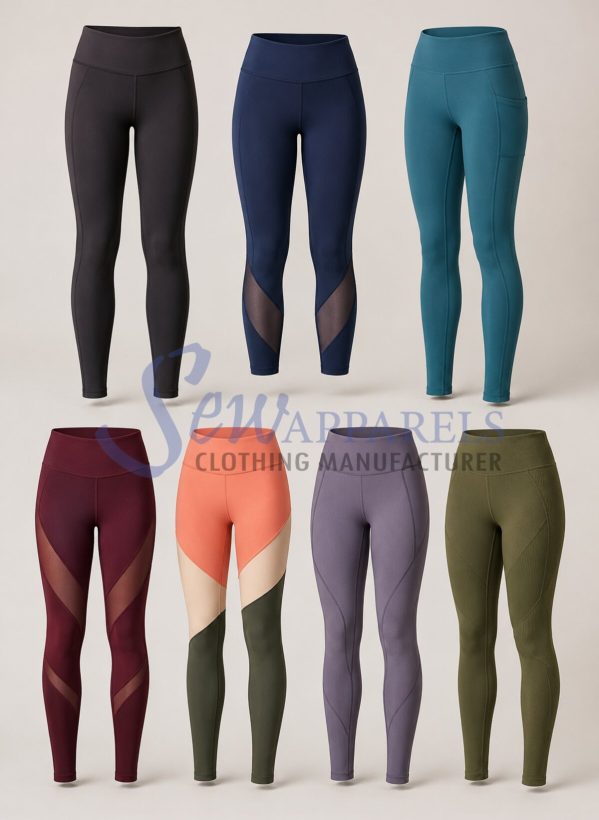
This buyer guide explains how to review that evidence before agreeing to a surcharge. It covers material consumption, marker constraints, blended pricing, separate size prices and the approval worksheet. It does not prescribe an industry-wide surcharge or promise that every extended size costs more. A documented sports leggings extended size fabric surcharge review starts with the actual product calculation rather than a percentage taken from another leggings order.
Why sports leggings extended size fabric surcharge needs a defined baseline
Record extended size quote assumptions: style revision, approved size range, fabric specification and order quantity. Record the inseam, rise, waistband construction, gusset and pocket arrangement. An extended range with a different fit block cannot be compared fairly with an unchanged smaller block unless the quotation identifies that difference. Label names also vary between brands, so the graded measurements matter more than an XL or plus-size label.
The legging size surcharge quote should separate the original base price from the proposed additional charge. Ask which sizes the base includes, where the supplier proposes a pricing boundary and whether that boundary follows a marker calculation. Obtain the same currency, delivery term, quotation validity and material price basis for both alternatives. Otherwise an exchange-rate change or new fabric purchase can appear to be a size surcharge.
1. Check the graded pattern and material consumption
For sports leggings extended size fabric surcharge, document extended legging size material use for the approved pattern revision. The evidence should show which sizes were included, the quantity represented and whether the result is measured in metres, kilograms or another purchase unit. Use consistent units when comparing figures. A weight-based fabric purchase requires the correct width and fabric mass assumptions; a simple length comparison may conceal a different material specification.
Review legging graded pattern width cost alongside length and the layout. Extra hip, thigh or rise dimensions can change panel area and layout, while a short inseam can produce a different result from a full-length style. Confirm that seam allowances, waistband pieces, gussets and seam mapping, and pockets are included. Check whether the larger leggings share the same pocket construction and fabric or require another component.
Leggings surcharge fabric evidence should separate the net pattern requirement from the quoted gross consumption. Gross consumption may include agreed allowances for cutting or fabric conditions. Ask where each allowance enters the calculation and avoid adding the same allowance twice. A plus size leggings fabric consumption comparison should show the assumptions, not just two final totals with no explanation.
2. Review usable width and the cutting marker
A marker is the arrangement of pattern pieces within the usable fabric width. A larger leggings marker constraint may arise when a wider leg panel fits differently even though its area increases gradually. Request a layout summary or an appropriately shared marker image with the width, length, size ratio and pattern version identified. Commercial confidentiality can be respected while still supplying enough evidence to explain the cost basis.
Lectra’s Gerber AccuPlan planning overview describes calculating material needs using fabric inventory and allocation, with nesting constraints defined by fabric type. For a buyer, the practical lesson is to request the constraints behind the estimate. This reference does not demonstrate that a particular supplier uses that software or validate a surcharge for your order.
Sports leggings extended size fabric surcharge can change when a large panel cannot use the same arrangement as the base range. Check usable width rather than nominal roll width, permitted rotation, fabric direction and any print alignment rule. The layout must preserve the approved stretch direction and garment specification. Turning a panel simply to reduce consumption is not acceptable if it changes the required performance.
Lectra’s material waste reduction roadmap recommends estimation that reflects real width, shrinkage, motif and rotation constraints. Ask for those assumptions in the leggings estimate. Do not borrow a general waste percentage as proof of the extra cost for your specific extended range.
3. Compare blended and size-specific unit prices
There are several ways to quote sports leggings extended size fabric surcharge. A supplier may offer one blended price for the whole agreed size assortment, individual prices by size, or two or more size groups. Each approach can be reviewed transparently. The important point is that the total order calculation uses the same quantities and scope.
For a leggings blended size price, obtain the exact quantity by size used in the estimate. A quote based on mostly smaller sizes may change when the confirmed order contains more extended sizes. State the leggings extended range quantity ratio and whether the blended price remains valid within it or requires recalculation. Do not assume a single price will automatically cover any later assortment.
For a leggings size specific unit price, multiply the price by that size’s quantity and compare the total. For grouped pricing, identify the group boundaries and the quantities inside each group. Ask why the proposed boundary is appropriate. Record legging size grouping cost assumptions; grouping can simplify administration, but it should not conceal material assumptions or an unrelated development charge.
An illustrative comparison
Suppose a hypothetical order contains 300 base-range pieces at $8.00 and 100 extended-range pieces at $8.60. Its garment total is $3,260, equivalent to a blended $8.15 across 400 pieces. These invented prices only illustrate the calculation; they are not Sew Apparels prices, expected surcharge levels or evidence of actual fabric use.
If the size ratio changes, repeat the calculation using the new quantities. Compare the resulting order total, then consider the practical effect on your retail pricing and stock plan. Keep freight, taxes and any separately quoted development costs outside this example until they have been added consistently to every alternative.
4. Separate fabric, labour and packing changes
Sports leggings extended size fabric surcharge should identify the fabric component separately from labour, trims and packing. Define the leggings surcharge labour scope: larger panels do not automatically mean an equivalent percentage increase in sewing labour. Ask whether there are additional operations, handling steps or inspection requirements, and request an explanation for any quoted change.
Review elastic length, waistband construction and pocket components independently. If the extended size uses a different elastic specification or construction, compare that approved change on its own. Conversely, an unchanged care label or logo should not be described as extra fabric use. Avoid assuming that every cost line must increase because the garment size increases.
For larger leggings packing cost, confirm the folding method, bag dimensions, carton assortment and units per carton. A larger folded garment might affect bag or carton planning, but the supplier should identify the actual packaging difference. Check whether the quote includes that difference already. Keep a packing change separate from the material surcharge so neither is counted twice.
5. Build a size surcharge negotiation worksheet
Use a short worksheet to make sports leggings extended size fabric surcharge review repeatable. Put the base quotation and alternative proposal side by side, with the same approved style and order assumptions. Record the source of each figure and identify any estimate that still requires confirmation.
- Product baseline: style revision, graded measurements, fabric reference, usable width and construction.
- Order assortment: quantity by size, total quantity and the extended-range proportion.
- Material evidence: marker reference, consumption units, purchase price basis and stated allowances.
- Other cost changes: labour explanation, trim changes and actual packing differences.
- Price structure: blended price, individual size prices or clearly defined size groups.
- Approval terms: quotation validity, revision owner and conditions requiring recalculation.
Discuss inconsistencies before negotiating the final amount. A buyer can ask whether a different confirmed assortment or a feasible material option changes the estimate, but cannot assume that optimization will eliminate the surcharge. Any alternative fabric, pattern or construction needs its own approval. Preserve fit, opacity, stretch recovery and the agreed finish rather than reducing material use at their expense.
6. Approve the cost difference and control later revisions
Close sports leggings extended size fabric surcharge review with an approved quotation linked to the exact sample and pattern version. Record legging cost difference approval, including the approver and whether the price is tied to a specific quantity ratio. A later change in size distribution, fabric width, pocket design or inseam should trigger a review if it affects the original assumptions.
Keep the supplier’s supporting worksheet with the order record. Where consumption is provisional, identify the confirmation stage and agree how any adjustment will be handled before production. Distinguish a corrected arithmetic error from a new scope change. Clear version control helps both parties explain why a price changed instead of reopening the discussion from memory.
For custom sports leggings manufacturing, share your size distribution, measurements, fabric preference and construction brief when requesting a quotation. Private label sports leggings production should be discussed against the actual specifications and available manufacturing options; this article does not establish a fixed surcharge, minimum quantity or delivery promise.
Use the existing Sports Leggings Buying Guides to connect cost approval with the related development decisions. Keep the commercial worksheet focused on the price basis, and retain technical approval evidence with the corresponding sample record.
Buyer questions before accepting an extended-size charge
Does every larger size need an additional charge?
No universal rule applies. The result depends on the approved pattern, material, layout and commercial quotation. A supplier may use a blended price or separate size prices. Review the evidence and total order value instead of assuming that the label alone determines the cost.
Can a marker efficiency figure prove the surcharge?
It is useful context, but it is not the whole calculation. You also need the marker width and length, included pieces, size ratio, material purchase basis and agreed allowances. Two markers with different constraints are not necessarily comparable even if one reports higher efficiency.
What should be agreed before the purchase order?
The approved style revision, quantities by size, price structure, included costs and revision conditions should be clear. A sound sports leggings extended size fabric surcharge decision leaves both buyer and supplier able to reproduce the total and explain each change without relying on an unexplained percentage.