
Sports leggings squat proof opacity protocol should define what coverage means, how the garment is assessed and which conditions the approval covers. A relaxed fabric swatch can look opaque while a fitted panel behaves differently during movement. Buyers need a documented comparison that connects fabric extension, garment size, colour and lighting with the proposed product wording.
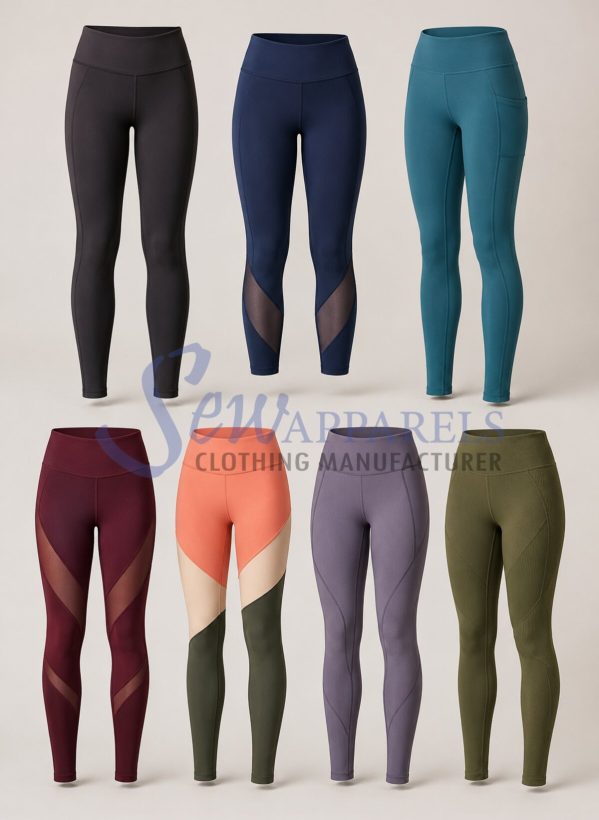
This guide outlines a buyer-defined review, not a universal certification or a published squat-proof standard. It explains how to organize fabric and garment observations, preserve fit-model privacy and keep claims within the evidence. Ask the testing party to agree the actual measurement method and acceptance criteria before treating the findings as formal approval.
Why sports leggings squat proof opacity protocol needs a claim definition
Start with a squat claim definition: write the claim you intend to make. Does it refer to coverage during a particular movement, within the intended size range and under specified lighting? Or does the proposed wording imply complete opacity in all situations? The assessment scope must match the meaning a buyer or customer would reasonably take from the wording.
A broad statement needs evidence beyond one photograph of one black sample. Identify the garment revision, fabric reference, colour options and size range. State whether the review covers new garments only or also a defined cared-for condition. Keep unresolved combinations visible instead of applying an approval to the whole collection without checking its scope.
1. Set the fabric extension and reference condition
For sports leggings squat proof opacity protocol, plan a sports leggings stretched opacity evaluation that distinguishes relaxed cover from controlled fabric extension. Record the specimen direction, starting dimensions, extension basis and how it is held. A laboratory or competent testing party should define a reproducible arrangement suitable for the intended question. Do not stretch the fabric by an unrecorded hand pull and call that a repeatable test.
ISO 20932-1:2018 describes strip or loop methods for measuring fabric elasticity and related properties, with narrow fabrics excluded. The ISO page identifies a 2021 amendment. Ask the laboratory to use the applicable current requirements if requesting elasticity evidence. This method concerns elasticity; it does not itself certify opacity or squat coverage.
Record opacity observations separately from the elasticity report. If extension is expressed as a percentage, ensure all comparisons use the same starting length and definition. Fabric direction and holding conditions should also be consistent. A favourable extension result and a favourable coverage observation answer different parts of the product brief.
Choose an extension relevant to the garment
Do not select an arbitrary high or low stretch just to obtain the desired photograph. Ask the product and testing teams how the assessment relates to the fitted panel and intended movement. Record active legging fabric extension transparency and keep the link to the actual garment documented. An application-specific condition remains limited to its defined scope.
2. Control lighting, background and observation
Sports leggings squat proof opacity protocol needs a consistent viewing arrangement. The lighting and background protocol should record the light source, position, viewing direction and background. Use a defined contrast reference when comparing fabric cover, rather than changing the background colour between samples. If the intended use includes different lighting, assess the relevant conditions separately.
Backlighting, overhead light and a bright photographic flash can produce different visual impressions. Record the leggings squat coverage lighting used and why. Keep camera distance, exposure and processing consistent where photographs form part of the record. Do not use editing, filters or automatic exposure changes to hide a coverage concern.
A photograph is supporting evidence, not necessarily a measurement. Ask the testing party whether visual comparison, instrumental assessment or a combined approach is appropriate. Record the assessment procedure and its limitations. Keep an approved reference specimen or reference image available so a later submission is compared against the same acceptance basis.
3. Review garment fit and movement by size
In sports leggings squat proof opacity protocol, plan a size specific coverage review with the actual sample size and approved fit reference. Separate fit strain versus fabric cover by checking whether the garment is within the intended measurement range, how the panel is strained and whether a seam or gusset changes position. A garment forced onto an unsuitable fit reference does not fairly represent the intended size claim.
The static and movement assessment should start with static coverage, followed by agreed movement within a comfortable and safe range. Identify the panel location being assessed and any point where coverage changes. The assessment should be organized by the responsible product team, not improvised through repeated extreme movement. Stop an observation if the model is uncomfortable.
Representative sizes should be selected deliberately. A single middle size may not show how a separate fit block, extended size or altered proportion affects the panel. Keep the extended-size pattern specification identified separately from its price. Document which sizes were reviewed and the reason for that sampling scope. Do not imply that every size was assessed when only one sample was used.
Preserve fit-model privacy
Protect fit model privacy: obtain informed permission for any garment observation or recording and explain its purpose. Use neutral references or an appropriate mannequin where they answer the question. When wearer assessment is necessary, use a private setting, respectful handling and only the images needed. Do not retain identifiable or revealing photographs unnecessarily or publish them as marketing proof without separate permission.
4. Approve colours and production submissions separately
Sports leggings squat proof opacity protocol requires leggings colour specific opacity approval for each material submission under review. A result for one dark shade is not automatic approval for a pale colour, a print or a different fabric lot. Record the fabric reference, mass, composition, finish and production shade identity where supplied.
For colour specific stretch opacity, keep the construction equivalent when comparing colours. A changed fabric, lining, panel arrangement or size can complicate interpretation. If the comparison uses different specifications, state that explicitly and investigate the effect. Do not attribute the result to colour alone when other material or construction conditions changed.
SGS comfort and performance wear assessment describes claim-support services for fabrics, material systems and finished garments. Its current public page does not specify an opacity procedure. Ask a qualified provider to confirm whether it can assess the defined coverage requirement, which method it proposes and what its report would support. This general service listing does not establish that Sew Apparels or a proposed material has passed an opacity test.
Before bulk approval, connect the evidence to the production-intent sample rather than an unnamed showroom swatch. If the supplier changes the material source, specification or finish, revisit the coverage evidence. Keep the report and sample references together so the approved result can be traced to the order.
5. Compare the agreed after-care condition
A sports leggings squat proof opacity protocol should state whether after care transparency is included. If it is, document the care sequence and sample condition before repeating the agreed coverage assessment. Use the approved garment instructions and record drying or preparation conditions that matter to the comparison.
Keep the new and cared-for specimens distinguishable. If dimensions or fit change after care, record that alongside coverage observations. A difference in garment strain can affect what the observer sees; it should not be confused with a direct optical result from the fabric alone. Ask the testing party to interpret the evidence where the cause is unclear.
Do not assume that care improves or reduces opacity in every material. The decision should follow the actual samples. A comparison of different colours or material lots cannot isolate a care effect reliably. Retain the original record and explain any unavoidable differences rather than presenting them as a controlled before-and-after trial.
6. Set acceptance references and qualify the wording
Close sports leggings squat proof opacity protocol with an opacity acceptance reference, documented results and qualified coverage wording. State the material, colours, sizes and conditions covered. Identify any limitations that remain, and do not release a broad claim while the relevant combinations are unresolved.
Use a worksheet that allows another reviewer to repeat the comparison. The record should connect the chosen fabric condition with the garment observation and explain why it supports the final claim. Keep laboratory findings, visual observations and product decisions in separate fields so their roles remain clear.
- Product identity: style revision, fabric, shade or lot, construction and sample size.
- Extension basis: fabric direction, starting dimensions and controlled holding conditions.
- Viewing arrangement: light source, background, viewpoint and photographic settings.
- Garment assessment: fit reference, static observation, agreed movement and panel location.
- Care scope: new or after-care condition, sequence and any dimensional change.
- Approval: acceptance reference, results, limitations and permitted claim wording.
If the sample fails the agreed coverage requirement, investigate the specification before deciding on a correction. Options may involve material selection, garment fit or construction, but each needs reassessment against the full product brief. Avoid improving apparent coverage by compromising comfort, recovery or the intended fit without buyer agreement.
Coordinate coverage with the manufacturing brief
For custom sports leggings manufacturing, share the coverage requirement, planned colours, size distribution and evidence expectations during development. Private label sports leggings production should connect those requirements with the actual material and sample proposal, subject to confirmation of manufacturing and testing arrangements.
Use the existing Sports Leggings Buying Guides to coordinate coverage review with fit, gusset, surface appearance and commercial decisions. Keep sports leggings squat proof opacity protocol and the related approvals tied to the same revision. A fabric replacement intended to improve cover should still receive the required fitting and care review.
Questions to settle before using a squat-proof claim
Does four-way stretch prove opacity?
No. Stretch and coverage are separate properties. Request evidence for the defined extension and garment conditions instead of treating a stretch description as an opacity result. Any elasticity report should be read within its own scope.
Can one black sample approve every colour and size?
Only the assessed scope is supported. Identify which colours, materials and sizes were reviewed and what the sampling decision means. Additional combinations may require further evidence before they are included in the claim.
What should the final wording communicate?
A defensible sports leggings squat proof opacity protocol links the wording to the actual assessment. Communicate the supported conditions and avoid unrestricted promises about all lighting, body fits, activities and care histories. The approval record should make those boundaries clear to the product team before publication.