
Underscrub top antimicrobial claim review begins with the exact words a buyer intends to place on a product, quotation or website. An antimicrobial fabric offer is not a single, clearly defined promise. It may concern preservation of the textile, control of a specified odour source or a claim about protection of people. Write down the intended meaning before accepting a treatment name or laboratory percentage as sufficient evidence.
The underscrub tops buying guides support related fabric and layering decisions. This article owns claim substantiation through six critical checks and a documentation worksheet. Underscrub stretch knit fabric selection covers material decisions; fabric weight, recovery and seam softness need separate product approval. No treated material, treatment capability or infection-prevention performance is offered or certified here.
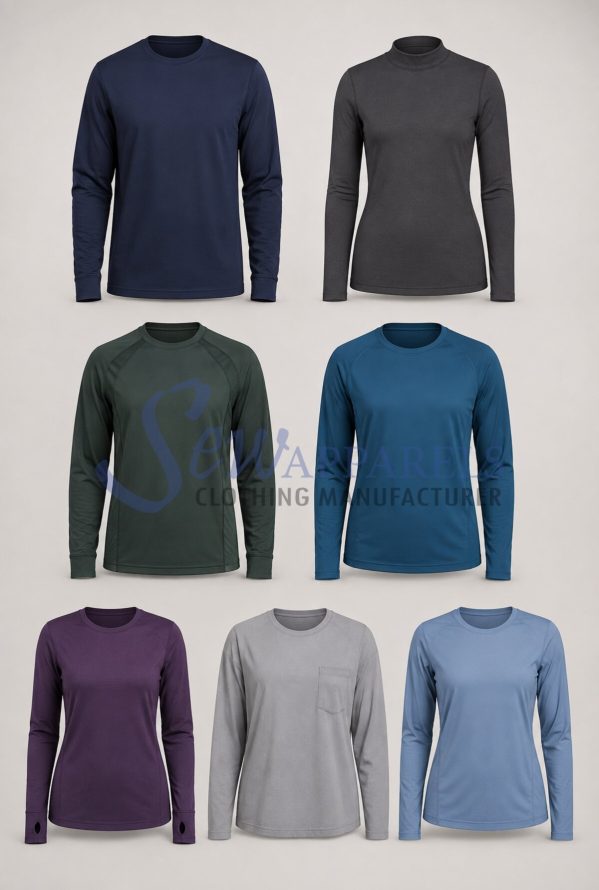
1. Define underscrub top antimicrobial claim review scope
Collect the proposed wording from every relevant location: supplier quotation, swing tag, care information, catalogue, buyer specification and online listing. A restrained technical description can become a much broader claim when a sales headline or illustration changes its meaning. Review the combined presentation rather than approving one sentence in isolation.
Underscrub antibacterial claim scope should identify what is claimed to happen, to which target, under what conditions and for how long. Ask whether the wording describes a measured laboratory result or an intended real-world benefit. A statement about a specimen tested under controlled conditions does not automatically establish the same effect during a working shift.
Assign an underscrub finish documentation owner to gather evidence and maintain the claim register. Identify separately who can approve technical conclusions, destination-market compliance and final marketing language. Keeping those decisions distinct prevents an attractive supplier presentation from becoming an approved buyer claim without review.
Underscrub top antimicrobial claim review needs a defined product identity from the outset. Record the fabric reference, composition, colour, treatment route and proposed garment revision. If these are provisional, say so. Evidence supplied for an earlier quality must not silently be attached to a different material that is still being developed.
2. Separate preservation, odour and health language
Underscrub odour control claim distinction asks what the proposed statement actually describes. A textile-preservation claim, a measured change in a defined odour assessment and a promise to protect the wearer are different propositions. Do not replace one with another because the supplier uses the same finish trade name for all three.
For U.S.-bound products, the EPA’s guidance on pesticide-treated consumer products distinguishes an exemption protecting the article itself from public-health claims. The treatment must be registered for its intended use to qualify for the described exemption. Have a qualified reviewer establish the applicable route and wording for the actual product; this guide does not determine its regulatory status.
An underscrub treated article claim scope record should preserve that distinction in the proposed label and its context. Ask the reviewer which clarifying statements, presentation requirements and supporting documents apply. Do not assume that the absence of a registration number proves a product is exempt or that a supplier certificate authorizes every possible claim.
Underscrub health claim evidence distinction is especially important for garments marketed to healthcare buyers. Avoid treating a fabric result as evidence of protection against infection, reduced disease transmission or replacement of established hygiene practice. If proposed wording implies such a benefit, stop that wording from being released until the responsible specialists have reviewed the appropriate evidence and requirements.
Underscrub top antimicrobial claim review should also identify implied claims. A shield symbol, pathogen image or heading about clinical protection may communicate more than the accompanying small print. Give the reviewer the intended product presentation, including artwork, rather than only an isolated technical phrase.
3. Identify the treatment and sourced material
Underscrub finish supplier identity should connect the finish provider, fabric processor and offered fabric reference. Ask which party supplied the supporting information and which party applied the treatment. Retain the relevant document revision and date. A brand name alone does not establish the identity or traceability of the material being quoted.
Underscrub antimicrobial finish evidence should describe the actual substrate and application route sufficiently for technical review. Request available documentation on intended use, processing conditions and any restrictions relevant to the proposal. Where confidential treatment information is needed, use an appropriate supplier-to-reviewer route rather than guessing missing details or publishing confidential formulations.
Underscrub supplier performance documentation should distinguish a general finish brochure from evidence connected to the offered textile. A brochure can introduce a technology, but it does not resolve whether the proposed fabric, treatment level, colour and processing history correspond to the tested material. Ask the supplier to explain and document that connection.
Underscrub top antimicrobial claim review remains open if product identity cannot be reconciled. Record the mismatch and request clarification. Do not complete the approval field merely because a report carries a recognizable laboratory logo or includes an impressive reduction figure. Traceability is part of the evidence review, not a decorative attachment.
4. Ask qualified reviewers to define the evidence needed
Underscrub destination claim review starts with the markets and intended use of the finished top. U.S. guidance is not a worldwide permission statement. Ask the responsible reviewer to determine the current applicable rules, whether the proposed language changes the product’s regulatory route and what information must accompany any permitted wording.
The CDC’s healthcare laundry and bedding guidance includes a discussion of antimicrobial-treated articles that separates preservation from health claims. It does not establish infection-prevention benefits for an underscrub product. Use the facility’s approved cleaning and infection-control arrangements; do not present a treatment as a reason to wash less or replace established practice.
Underscrub odour claim substantiation needs evidence addressing the particular odour statement, its conditions and limitations. Ask the reviewer whether the supplied method measures the proposed outcome. An antibacterial result alone should not be converted into an unrestricted odour promise, and an odour assessment should not be presented as proof of protection against disease.
Have the laboratory or qualified technical reviewer explain the method, controls, reported outcome and interpretation boundaries. Obtain the full relevant report rather than relying on a cropped results table. This buying guide does not supply a universal method, acceptance percentage or organism list; those choices must fit the claim and applicable requirements.
5. Match reports to fabric and laundering history
Underscrub antimicrobial report product match should compare the report’s specimen identity with the offered fabric and proposed production route. Check reference numbers, treatment details, colour or finish differences and dates. Ask the supplier or laboratory to explain any gaps. Do not extend a result to a changed material without a supported basis.
Underscrub treatment care history records the laundering or other preparation performed before testing. Identify the reported cycle, products, drying conditions and number of repetitions where relevant. Keep untreated, newly treated and previously laundered specimens distinct. A result from a new specimen does not itself support a claim about the entire garment’s useful life.
Underscrub treatment durability after wash review should compare the stated claim with the actual tested history and intended care instructions. If the buyer proposes a different cleaning route, ask whether additional evidence is needed. Do not invent a wash-count guarantee or extrapolate beyond the documented conditions.
Underscrub top antimicrobial claim review should keep garment quality checks visible alongside the claim assessment. Review whether the proposed finishing and laundering route changes hand feel, shade, dimensions, stretch or seam behaviour. A claim-supporting result does not replace normal approval of the underscrub’s fit and construction.
When reports differ, identify the precise difference before comparing their headline results. Different specimens, preparation, controls or test conditions may limit comparability. Retain the laboratory’s explanation and the reviewer’s decision rather than selecting the highest number for marketing use.
6. Approve wording through a controlled worksheet
Use the blank claim-review structure below to connect proposed language, product identity and the decision. The rows are review categories, not approved marketing statements or test results. Populate the evidence and authorization fields only after the responsible parties provide actual documentation.
On narrow screens, each review category appears as a separate card with labelled evidence fields.
| Review category | Exact proposed wording | Evidence and product match | Care history | Reviewer decision |
|---|---|---|---|---|
| Textile preservation | Buyer to enter | Document references pending | Conditions to confirm | Not approved |
| Defined odour outcome | Buyer to enter | Outcome-specific evidence pending | Conditions to confirm | Not approved |
| Potential health implication | Buyer to enter | Qualified review required | Conditions to confirm | Do not release wording |
An underscrub permitted wording decision should record the reviewer, date, approved text, product revision and any conditions. Use clear statuses such as clarification required, not approved or approved subject to recorded conditions. These are document-control decisions, not invented laboratory grades.
Maintain an underscrub claim revalidation record when the material, treatment route, supplier, care instructions or marketing wording changes. Ask the responsible reviewer whether existing evidence remains applicable. Keep obsolete versions out of current product information so a later purchasing decision does not rely on a superseded approval.
Underscrub top antimicrobial claim review is complete when the product, evidence and permitted wording are connected and the responsible approvals are recorded. It is not complete simply because a treatment appears in the quotation. If the evidence does not support the desired statement, remove or revise that statement through the proper review route.
Prepare an evidence-led underscrub enquiry
For custom underscrub top manufacturing, share the fabric brief, proposed finish, exact claim wording and available supplier documents. Ask what can actually be sourced and documented before committing to a treatment or label. Confirm capability, quantities, cost and timing directly; this article makes no treatment-availability promise.
Startup brands considering private label underscrub top production can keep their first range focused while maintaining the same evidence standard. Underscrub top antimicrobial claim review helps distinguish the product being purchased from the language being proposed, so a small order does not bypass technical and marketing approval.
Frequently asked questions
Does a laboratory percentage prove infection protection?
No. It describes the reported outcome under specified conditions. It does not automatically establish a clinical benefit, authorize a public-health claim or replace the appropriate regulatory and technical review.
Can one finish report cover every underscrub fabric?
Do not assume that. Reconcile the specimen and treatment with the actual offered fabric, and ask the responsible reviewer whether the evidence applies.
What if the supplier cannot support the proposed wording?
Keep it unapproved. Underscrub top antimicrobial claim review should request clarification or a narrower, supported statement before that language reaches labels or marketing.