
Visor terry sweatband lint shedding is a practical sample-approval issue for brands using a looped inner band. A visor may feel soft in the hand but leave loose fibres on a forehead, hairline or contrasting surface during wear. Buyers need to identify where the fibres originate, whether the pile is being damaged and how the band responds to the intended care instructions before approving production.
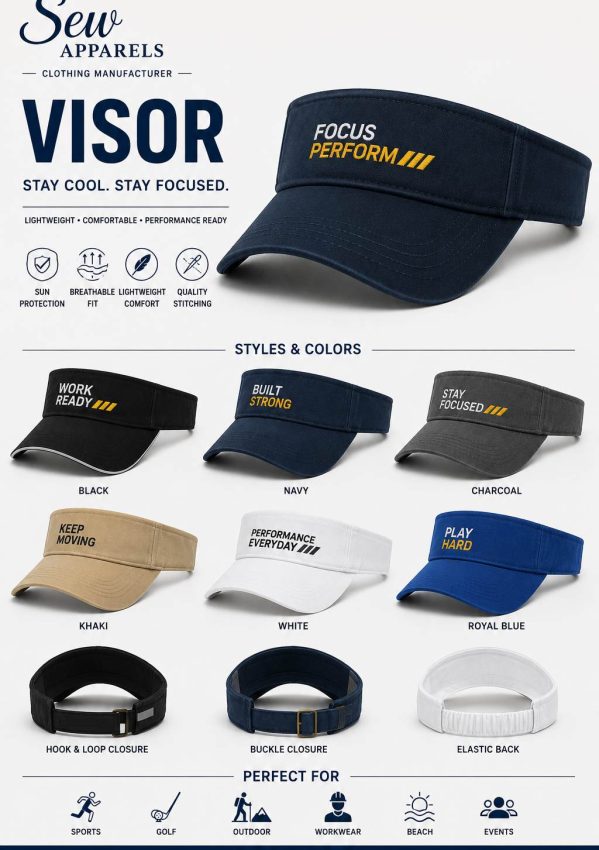
This visor terry sweatband lint shedding guide explains five useful checks: inspect the starting surface, compare controlled contact, review care response, assess incoming material and finishing, and create a clear acceptance record. The purpose is to support a repeatable buyer decision. A brief rubbing demonstration cannot establish a universal lint-free claim, and a fabric pilling result does not automatically describe fibre transfer from a finished visor.
Visor terry sweatband lint shedding: five surface checks
Begin by describing what you actually see. Loose fibre can sit on the band before use; an elongated loop may indicate a snag; a broken pile area may show localized surface loss. Pilling involves surface balls of entangled fibres. These observations can occur together, but they should not be combined under one label without examining the sample.
For visor pile fibre release, record the location and appearance of the collected material. Compare its colour with the sweatband, outer fabric, sewing thread and packaging. If lint has come from another component or the inspection cloth, changing the terry supplier may not solve the complaint. Keep an untouched reference so the starting condition remains available for comparison.
When comparing pile damage versus loose fibre, photograph the source area as well as the transferred material. Look for missing loops, exposed ground, a cut edge or a pulled stitch. A visibly intact band with a few removable fibres presents a different development question from a band whose surface continues to deteriorate after repeated contact.
1. Inspect the starting sweatband surface
Start visor terry sweatband lint shedding evaluation with samples from the proposed material and construction. Identify the fabric reference, supplier lot, finish, band width, attachment seam and care route. Inspect the inner surface, seam junctions and cut ends under consistent lighting. Record what is present before brushing, washing or wearing the sample.
A visor loose loop inspection should cover the full forehead-contact area and the transitions near the closure. Note protruding loops, irregular pile height, loose thread tails and any rough edge that could catch the pile. Do not pull a questionable loop during the initial inspection; doing so changes the sample and may create damage that was not originally present.
For terry sweatband surface loss, compare equivalent areas on the trial sample and the retained reference. Mark the inspection location and use similar photograph distance and lighting. A dark backing or bright side light may reveal fibres more clearly, but changing the viewing setup between samples makes the comparison less useful. Agree on the normal inspection conditions first.
Check how the band is sewn into the visor. An exposed seam allowance, abrasive trim or closure hook can create a separate source of contact damage. Compare the closure contact checks when investigating nearby hook exposure. Keep construction observations in the same record as material findings. The finished sweatband needs to perform within the actual visor, not only as a clean piece of unsewn fabric.
2. Compare contact under documented conditions
A visor terry rubbing comparison should use the same contact surface, direction, sample condition and observation method for each option. Agree on the development procedure before collecting results. Record the number of movements, applied pressure approach and inspected area rather than describing the trial only as “rubbed by hand.” An informal comparison remains an informal comparison.
For terry visor lint transfer, use a clean receiver that makes the released fibres visible and inspect the receiver before use. Include a blank check to identify contamination from the receiver itself. Keep the observation surface separate from unrelated fabrics, dusty packaging or previously handled samples. Photograph each result immediately with the sample identifier beside it.
When investigating lint on the visor forehead area, include a practical finished-product wear review with consenting participants and agreed conditions. Observe where contact occurs and whether the band shifts during movement. Record sample fit and the duration of the review. Do not assume that a receiver-cloth comparison represents all hair types, skin conditions or actual wear situations.
The ASTM D4966 abrasion method overview concerns textile abrasion resistance and explains limitations in relating laboratory results to end-use performance. Its public summary cautions against routine shipment acceptance use because between-laboratory precision is poor. Ask a qualified laboratory whether an abrasion method is suitable for the specified band and development question. An abrasion result should not be converted into a finished-visor lint-free promise or a claimed wear life without relevant evidence.
3. Review the intended care response
Visor terry sweatband lint shedding should be reviewed before and after the intended care route. Use the proposed care instructions and record washing, drying and handling conditions. If the complete visor is not suitable for machine washing, do not introduce a machine-wash demonstration simply because the loose terry fabric tolerates it. The brim and other components also matter.
For terry band shedding after wash, inspect both transferred fibre and the band itself. A cleaning step may remove loose surface material, but it may also reveal ongoing pile damage. Keep the first-care result separate from later observations. Compare equivalent samples or clearly document the sequence on the same sample so cumulative changes can be understood.
A terry finish cleaning trial should be evaluated as a process change. Record what was removed, how the finish or hand feel changed, and whether dimensions or appearance were affected. Do not prescribe an unverified chemical treatment or aggressive brushing as a universal remedy. Ask the material supplier and development team to propose a controlled revision suitable for the complete product.
Record the visor pile care response alongside band width, softness, seam condition and fit. A lower visible lint result is not an improvement if the revised process makes the sweatband harsh or deforms the visor. Preserve the approved care label and process revision so the outcome can be repeated rather than recreated from memory.
4. Connect incoming inspection with finishing control
For visor terry sweatband lint shedding, incoming fabric and finished-product inspection answer different questions. Terry band incoming inspection can identify surface irregularities or lot variation before cutting. Finished inspection checks whether sewing, trimming, handling or contact with other components has introduced additional loose material or damaged loops.
Compare samples from the planned material lot and keep traceable identifiers. Review pile appearance, loose fibres and visible edge condition using agreed sampling instructions. If one roll or section differs, retain the evidence and investigate the source rather than mixing it into the general approval result. Record changes in supplier, construction or finish that require another review.
The ASTM D3512/D3512M pilling method overview (2026 reapproval) addresses pilling and related textile surface changes. Ask the laboratory to review silicone-resin finishes, which can interfere with this method. Its rating is not a direct measurement of forehead lint transfer, and a good pilling result does not eliminate the need to inspect released fibres on the actual sweatband.
Before visor terry finish approval, check the proposed band after the normal finishing and packing sequence. Keep the clean reference protected from contamination. Where an additional cleaning step is proposed, define the process and verify its effect on representative samples. Avoid approving a specially prepared demonstration sample that differs from the method intended for bulk production.
5. Create an acceptance reference and complaint record
A visor lint acceptance reference should show what the buyer will judge, under which conditions and at what stage. Keep dated photographs or physical references for acceptable appearance and examples requiring review. Do not use a universal fibre count without an agreed collection method. The amount observed depends on the inspection and contact conditions.
For visor terry sweatband lint shedding, keep a visor shed fibre sample record with the material code, sample revision, contact setup and care history. Include source-area photographs and the receiver result. Identify whether the finding was loose fibre, snagged pile, surface loss or a mixture. This lets a supplier respond to a specific observation instead of a vague request for better terry.
A lint complaint evaluation should compare the returned product with its production reference and reported use. Ask what happened before the complaint, including care and contact with other textiles. Examine the relevant band area and consider other fibre sources. Do not dismiss a complaint as normal shedding or assign a manufacturing cause without inspecting the available evidence.
Approve a revision only after the relevant comparison has been repeated. If band material, seam finishing or cleaning changes, record the new revision and check fit and comfort again. Keep unresolved findings visible in the development file. An approval should identify the actual arrangement accepted rather than imply that all future material substitutions are covered.
Visor terry sweatband lint shedding: buyer questions
Does a softer terry band always release fewer fibres?
No. Hand feel alone does not establish fibre release. Compare the proposed material under the same observation and contact conditions, then check the finished visor after its intended care route. A soft sample still needs surface and construction review.
Can brushing the sample resolve the issue?
It may remove loose material, but that does not explain its source or prove that release has stopped. Record the process and inspect the pile afterward. Compare the treated arrangement with the production method and verify whether the improvement persists under the agreed evaluation.
Should a startup brand request laboratory work immediately?
Begin by defining the complaint or approval question and reviewing representative samples. A qualified laboratory can help select an appropriate method when the decision needs stronger evidence. Avoid ordering an unrelated test simply because its name includes surface performance.
Visor terry sweatband lint shedding: specification review
Use the Visor Buying Guides to connect the sweatband review with band construction, closure and other sample decisions. Keep the surface record alongside the approved fit and care details. A material revision should be assessed for its effect on the complete visor, including wearer comfort and sewing performance.
For custom visor manufacturing or private label visor production, share the intended terry reference, care route and sample concerns with the Sew Apparels visor team. Startup brands can discuss a focused development scope and quotation requirements before commitment. A clear visor terry sweatband lint shedding brief helps the team compare traceable samples and approve a practical surface standard without unsupported lint-free claims.
Low MOQ sample planning for startup brands
A startup brand can begin with a defined terry reference and a small, traceable comparison of finished sweatbands. Discuss low MOQ production options separately from the material purchase minimum and the sample quantities needed for the surface review. Keep the same contact setup and care route for each candidate so the comparison remains useful.
Retain the accepted band and assembly reference before placing the first order. If a different lot, finish or cleaning process is proposed, review its effect on released fibres, comfort and dimensions. Visor terry sweatband lint shedding should remain linked to the approved product specification rather than being treated as resolved for every future material substitution.