
Woven jacket zipper replacement planning brings a future repair question into the original development brief: can the intended closure be identified, removed and replaced without leaving the lined jacket in an unacceptable condition? A zipper that works well on a new sample does not, by itself, answer that question. Component records, seam access and an actual replacement trial provide different kinds of evidence.
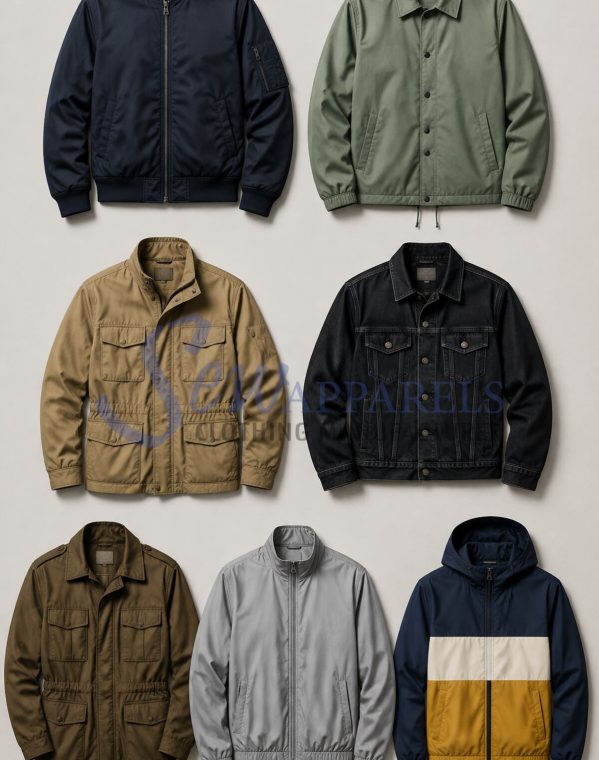
A useful woven jacket zipper replacement planning brief defines the brand’s intended repair service and tests the proposed route on a representative garment. It should not promise a repair time, spare-part supply or longer product life before those matters are verified. The buyer needs to know who will undertake repairs, which replacement configuration is acceptable and what evidence will support the final instructions.
For development discussions, use our custom woven jacket manufacturing page. Confirm the actual sample-review scope and component availability for your project. The guidance below concerns replacement access and component records; it does not replace a separate lining-ease or fit review.
1. Define the service scope before woven jacket zipper replacement planning
Begin woven jacket zipper replacement planning by describing the service the brand intends to offer. A professional repair workshop, a manufacturer-managed service and customer replacement are different arrangements. Do not write instructions for an unconfirmed service model. Identify who assesses the returned jacket, who selects the replacement and who accepts the finished repair. If the brand has not established the service yet, record that as an open decision.
Woven jacket repairable zipper construction should mean a design whose intended repair route has been examined and demonstrated within a defined scope. It should not become an unsupported marketing label. Specify whether the review covers the whole zipper assembly or another identified intervention. A slider-related problem is not automatically evidence that the entire zipper must be replaced, and a successful full replacement does not validate every other repair.
Ask the proposed repair provider what information is needed before accepting a job. They may need the component identity, construction reference, garment condition and access instructions. Discuss which damaged garments fall outside the planned service scope. This keeps the development exercise focused on a real operating arrangement rather than a theoretical claim that every future jacket will be easy to repair.
Within woven jacket zipper replacement planning, separate technical feasibility from commercial responsibility. A replacement may be technically possible while its cost, shipping arrangement or spare ownership remains unresolved. Record those issues clearly. Avoid implying that Sew Apparels already provides a particular consumer repair service, warranty or stockholding arrangement without a specific agreement.
2. Record the original and replacement zipper identities
Use the jacket replacement zipper specification to identify the exact component needed. Record:
- The closure configuration and supplier reference.
- The intended appearance and functional requirements.
- The agreed chain, tape, slider and puller details.
- The end arrangement.
“Black front zip” is not a complete specification. Visually similar zippers may operate differently or need different attachment details.
The jacket zipper length repair specification should state how length is measured and which points define the measurement. Connect that measurement to the approved garment and component drawing or supplier reference. For woven jacket zipper replacement planning, the replacement must work with the opening and attachment configuration; matching a casual tape measurement alone does not establish compatibility. Do not prescribe a universal allowance or shortening method without supplier guidance and a trial.
Assign a woven jacket zipper spare part code that links the component to the relevant jacket version. The code can be an agreed internal identifier, but it should resolve to usable specification information. Record which colour or size variants share the same component and which require a different reference. Keep the physical sample and written record connected so later teams can identify the intended replacement.
YKK zipper handling guidance explains that forcing a slider when fabric is caught can worsen the obstruction, and highlights product-specific handling considerations. Use the actual zipper supplier’s guidance when developing service instructions. This general resource does not establish compatibility between replacement parts or validate a repair method for your jacket.
Woven jacket zipper replacement planning should preserve the original identity as well as the proposed spare identity. If the replacement differs, record the difference and the evidence used to accept it. A component described as equivalent should be assessed against the functions and appearance that matter to the garment, rather than accepted solely because its colour or nominal length matches.
3. Review seam access through the complete lined construction
Jacket zipper access seam design affects what the repair provider must open and restore. Review how the zipper is enclosed by facings, lining and other layers in the intended jacket. Identify the access point and the areas disturbed during removal. A closure that is visible from the outside can still require considerable internal disassembly, so the review should include the complete construction rather than only the front exterior.
For woven jacket zipper seam access, ask the supplier to demonstrate the proposed route on an identified sample. Record which seams are opened, what materials must be protected and how the assembly is restored. Avoid substituting a generic instruction such as “unpick and replace” for product-specific evidence. The practical issue is whether the reconstructed garment retains acceptable appearance and function.
Coats seam-type guidance provides a classification of seam arrangements and useful terminology for discussing construction. Use it as background when describing the assembly. A seam category alone does not prove that a particular lined jacket can be opened and restored satisfactorily.
A woven jacket lined zip access trial should check the areas adjacent to the closure. Observe whether removal damages the shell, lining or supporting layers, whether the original stitch marks remain visible and whether the restored edge lies as intended. Ask the trial provider to explain any limitations. These observations support an access decision; they are not a guarantee that every worn or damaged garment will behave like a new development sample.
The woven jacket zipper replacement planning record should therefore identify the construction revision used for the access trial. If the facing or lining attachment changes later, review whether the trial still applies. Retaining an old successful repair record while changing the enclosed assembly can create instructions that no longer describe the released garment.
4. Trial replacement and evaluate the finished jacket
Conduct a jacket zipper repair sample trial with the proposed replacement and the intended service route. The person performing the trial should have the information and capability expected in the actual arrangement. Document the garment identity, original component, replacement component and steps taken. If a substitute sample or part is used, state which conclusions remain provisional.
A jacket zip replacement sample should be examined after reconstruction, not just after the new zipper is inserted. Check the opening alignment, edge appearance, closure operation and interaction with the lining. Compare the restored garment with the approved reference. If the process requires a construction change, update the development record and determine whether related appearance or fit decisions need another review.
Agree the relevant observations and acceptance criteria before calling the trial successful. Use product-specific requirements and the zipper supplier’s applicable information. This guide does not prescribe a universal number of operation cycles, a standard repair duration or a durability limit. When a measurement or test is needed, specify the method and responsibility in the brief rather than inventing a value during review.
Woven jacket closure repair instructions should reflect the demonstrated process, including component identification, access references and final checks. They should also identify who is qualified or intended to carry out the work. Do not convert a professional development trial into an assurance that customers can complete the same repair safely or correctly without appropriate assessment.
In woven jacket zipper replacement planning, record unsuccessful observations too. If the edge is distorted, a layer is damaged or operation remains unsatisfactory, state what needs investigation. A failed trial can help improve the design, but it should not be concealed behind a vague “repairable” approval.
5. Confirm spare ownership and substitution control
A woven jacket spare trim register should show the component reference, garment versions covered, responsible owner and current supply status. Include the information needed to request the part and distinguish it from similar options. The register is a control tool, not evidence that spares will remain available indefinitely. Update its status when the actual supply arrangement changes.
Woven jacket replacement zip availability must be confirmed with the relevant supplier or stock owner before the brand promises it. Discuss whether spares are physically held, ordered when needed or subject to a separate arrangement. Record any confirmed limitations and who checks the status. Do not infer future availability from a component appearing in a catalogue or from its use in a current sample.
Jacket repair trim ownership should state who purchases, holds and releases the replacement components under the agreed service model. Commercial details may require a separate agreement, but the development brief should identify the responsible parties. Otherwise, a technically accepted repair route can reach the service stage with no one assigned to obtain the correct part.
Maintain a woven jacket zipper substitution record when an alternative is proposed. Identify the reason, the original and new references, affected garment versions and the evidence needed for acceptance. Review function, appearance and attachment implications on the actual assembly. A buyer should approve the relevant change explicitly rather than allow an undocumented replacement to become the default.
Approve the repairability worksheet alongside the garment
Woven jacket repairability approval should cover a defined configuration and demonstrated route. Bring the service scope, component records, access evidence, replacement observations and unresolved issues into one worksheet. Name the decision owner and reference the current technical pack. If supply or service responsibilities remain open, record them as conditions instead of presenting the entire arrangement as complete.
- Service scope: identify the intended provider and the repair intervention assessed.
- Component identity: connect original and spare references to the relevant garment version.
- Access: record opened seams, affected layers and restoration evidence.
- Trial result: retain finished-jacket observations and any required corrections.
- Ownership: confirm who manages supply status, substitutions and final acceptance.
For private label woven jacket production, this worksheet helps keep the approved construction and service expectations aligned. It does not establish a warranty or demonstrate a quantified increase in product life. Those claims require their own evidence and agreements beyond the development trial described here.
Connect the accepted repair configuration to the woven jacket sample approval sequence. Record which closure, facing or lining changes reopen an earlier decision, and retain the responsible reviewer’s acceptance of the reconstructed sample.
Prepare a practical replacement-planning brief
Send the jacket closure details, current construction references and intended repair-service expectations. Ask Sew Apparels to confirm the actual development review that can be supported and which component information is available. Startup brands can use the same focused brief without assuming an unconfirmed minimum quantity, spare commitment or repair-service offer.
Use the woven jackets buying guides for related construction decisions. Clear woven jacket zipper replacement planning helps the brand identify the correct components, test access on the complete garment and document the limits of the accepted repair route before making promises to customers.