
Woven shirt non iron claim evidence should connect the words used at launch with the performance of the actual shirt under defined care conditions. A smooth new garment, a supplier finish description or an attractive photograph cannot establish how the product will look after laundering. Buyers need a traceable evidence plan before approving labels, product descriptions and packaging.
This guide explains six checks for woven shirt non iron claim evidence. It helps brands define the appearance promise, distinguish fabric and garment results, commission relevant assessment and control changes. It is a development framework, not a complete laboratory procedure or a guarantee that a particular finish will meet every intended claim.
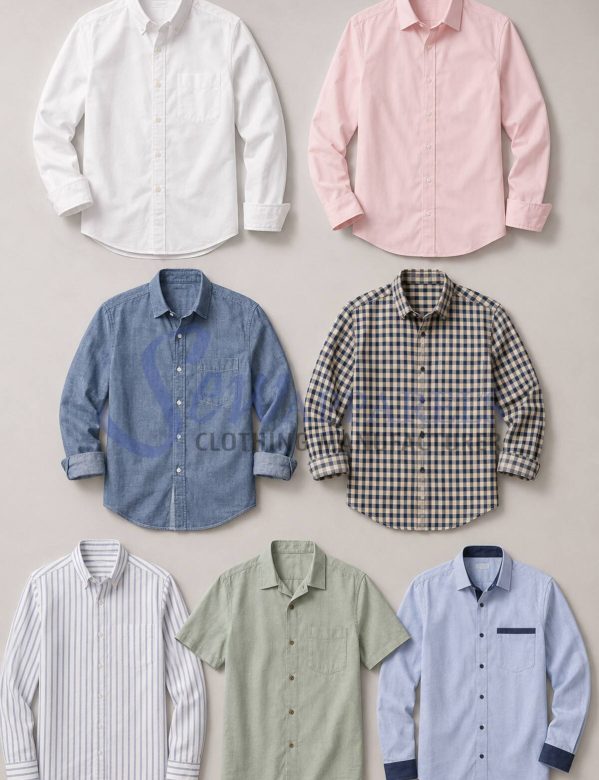
1. Define woven shirt non iron claim evidence around the promise
Write the intended customer-facing statement before selecting evidence. Explain what the wearer is being told: reduced ironing effort, a smooth appearance after specified care, or a stronger non-iron proposition. These statements can imply different outcomes. The development and marketing teams should understand the same promise before a sample is approved.
Shirt easy iron versus non iron wording should be reviewed carefully rather than treated as interchangeable terminology. State the proposed wording, applicable products and necessary qualifications. If the evidence supports a narrower statement, narrow the wording accordingly. A stronger phrase should not be chosen simply because it appears commercially attractive.
Identify the product and expected use
For non iron shirt claim substantiation, identify the shirt style, fabric, finish, colour, construction and intended care route. Include collar and cuff support, thread and any relevant trim differences. A report needs a meaningful connection to the sold product; a similar-looking material or a different supplier article may not represent the current assembly.
Describe the wearing context separately from the assessment conditions. A formal office shirt, a casual woven shirt and a uniform programme may have different appearance expectations. In woven shirt non iron claim evidence, the target should be established before viewing results, so the team does not redefine success merely to accommodate an unsatisfactory sample.
2. Distinguish fabric results from finished-shirt appearance
Woven shirt easy care finish evidence should identify what was actually tested and at what stage. Record whether the specimen was unfinished fabric, finished fabric, a component assembly or a complete shirt. Also identify any pressing, processing or treatment performed before evaluation. These details determine what the result can reasonably support.
The public AATCC TM124 summary describes evaluating fabric smoothness appearance after home laundering, with washing and drying options. It is a fabric assessment scope. Its summary does not establish a universal non-iron claim threshold or show that a finished shirt made from the assessed fabric will meet the buyer’s complete appearance requirements.
Review the garment construction
The shirt garment smoothness versus fabric result question matters because the shirt includes seams, folded edges, supported zones and closures. Ask whether the evidence covers the finished construction, or whether a further garment assessment is needed. Fabric-level information can help development without being presented as proof of every garment-level outcome.
A woven shirt smoothness assessment should identify the areas reviewed, the agreed method, sample condition and evaluation stage. The front body may look satisfactory while the placket, collar or cuff needs further attention. Record the location and nature of an issue rather than reducing the whole review to a general comment such as “looks acceptable”.
3. Specify the laboratory request and report scope
A shirt easy care laboratory request should include the proposed claim, product identity, relevant care instructions and the decisions the results will inform. Ask a competent laboratory to confirm suitable methods, applicable editions and the necessary sample quantity. Agree how results will be reported and how departures from the selected procedure will be identified.
The ISO 15487 public abstract describes assessing apparel and other textile end-product appearance after domestic washing and drying, including fabric and seam smoothness and component damage. Its scope supports discussing finished-shirt appearance. The publisher lists the 2018 edition as published with a revision under development; confirm the applicable edition when commissioning work. Obtain the applicable method and technical advice; the abstract alone is insufficient for conducting or interpreting a complete assessment.
Read the report before approving a claim
A shirt wrinkle recovery report scope should be examined for the property measured, specimen identity, method and conditions. Do not assume a result described as wrinkle recovery is identical to smoothness after laundering. Ask the laboratory to explain the relevance of the selected property to the intended claim and identify any additional evidence required.
For woven shirt non iron claim evidence, keep the actual result, observation and agreed acceptance requirement together. If the report omits a necessary product detail, request clarification before release. A method reference without a result is not evidence of a pass, and a pass against a particular specification is not automatic proof of every possible marketing statement.
4. Connect laundering, durability and other shirt requirements
Non iron shirt laundering appearance should be evaluated against the care route the customer is expected to follow. Identify washing, drying and any permitted finishing steps through the agreed procedure. Record whether ironing or pressing occurred before an appearance decision, because that could alter what the assessment demonstrates about an ironing-related promise.
For shirt wrinkle finish durability after wash, define the evaluation stages needed to support the intended claim. Do not invent a universal number of care cycles or claim indefinite performance from a limited assessment. The buyer, technical team and laboratory should agree the scope and explain what remains outside the evidence.
Keep appearance and function connected
Shirt finish strength retention evidence is a separate development consideration where relevant to the chosen fabric and treatment. A satisfactory smoothness result does not prove adequate strength or seam performance. Ask the technical team to identify appropriate accompanying checks, especially when a finish or processing route has changed from the approved reference.
Review fit, dimensions, collar shape, seam appearance, button operation and colour alongside the claim evidence as required by the product specification. Keep these decisions distinct in the approval record. In woven shirt non iron claim evidence, a focused appearance result should contribute to a complete release decision rather than obscure unresolved functional problems.
5. Preserve the reference and control the wording
A woven shirt non iron sample reference should be labelled with style, material, finish, colour, sample version and approval scope. Retain the physical sample where practicable, with linked reports and photographs used for communication. Identify whether the sample represents a development option, a conditionally accepted version or the current production reference.
Non iron shirt care label support should connect the proposed care instructions with the evaluation conditions and relevant product requirements. If the customer is directed to use a particular drying route, the evidence and wording need to be consistent with that instruction. Resolve discrepancies before printing labels or publishing the product description.
Document what the evidence does not establish
Woven shirt finish claim limitations may concern the tested colour, material batch, construction, care conditions or duration of assessment. State relevant boundaries clearly and ask the appropriate reviewer whether the customer-facing qualification is adequate. Do not hide a material condition in an internal file while presenting a broader promise to the buyer.
Non iron shirt approved marketing wording should be stored as exact text, together with the person who authorised it and the evidence version supporting it. Keep descriptions, labels and packaging aligned. Changing “easy care” into “never needs ironing” is a substantive change that requires review, not an editorial shortcut.
6. Release the claim and maintain the evidence trail
A woven shirt care claim register can connect each style and claim to sample identity, reports, acceptance criteria, care instructions, approved wording and review status. List open questions and named owners. This gives purchasing, quality and marketing teams a shared reference when the order moves from sampling to production.
In woven shirt non iron claim evidence, a change to fabric supplier, finish, construction or care information should trigger an assessment of whether the existing evidence still applies. The reviewer can decide what confirmation or reassessment is needed. Do not treat a historical approval as unlimited coverage for future versions. Use the nominated fabric sourcing brief to identify who authorises a material substitution and which evidence must be reviewed before release.
Build the sourcing brief
For custom woven shirt manufacturing, explain the intended appearance promise, target materials, construction details, quantities and care expectations. Ask which development and evaluation activities are available and included in the quotation. Establish ownership of sampling, laboratory requests and claim approval before treating a general finish description as an agreed deliverable.
For private label woven shirt production, coordinate the technical evidence with brand labels, packing text and launch descriptions. Buyers can use the woven shirt manufacturing page to prepare an enquiry. Actual capabilities, minimum quantities, commercial terms and any proposed non-iron performance require confirmation for the specific order.
Frequently asked questions
Is a supplier’s non-iron fabric description enough?
No. Woven shirt non iron claim evidence should identify the actual product and relevant conditions. Request the supporting report and assess its scope. A commercial description can start a technical discussion, but it cannot replace a traceable approval of the claim being made.
Does using a recognised test method guarantee the claim?
No. The method, specimen, conditions, results and acceptance requirement need to be relevant to the proposed wording. A recognised assessment provides structured evidence, while the claim decision still needs appropriate review. This article does not prescribe a universal non-iron pass grade.
Can a startup brand organise this process?
Yes, a startup can define the intended statement and prepare a focused brief before discussing feasible sampling arrangements. It can also use narrower wording when evidence supports that wording. The process does not establish a fixed order minimum or guarantee that every requested finish is available.
What belongs in the final approval file?
Keep the current product specification, sample identity, assessment reports, care route, unresolved limitations and exact approved wording. The woven shirt buying guides connect this evidence task with related sourcing and construction decisions. A complete woven shirt non iron claim evidence file makes later revisions easier to review without losing the original approval basis.